Gold Holds Firm As Dollar Eases Before Federal Reserve Signal

By Tredu.com • 3/17/2026
Tredu
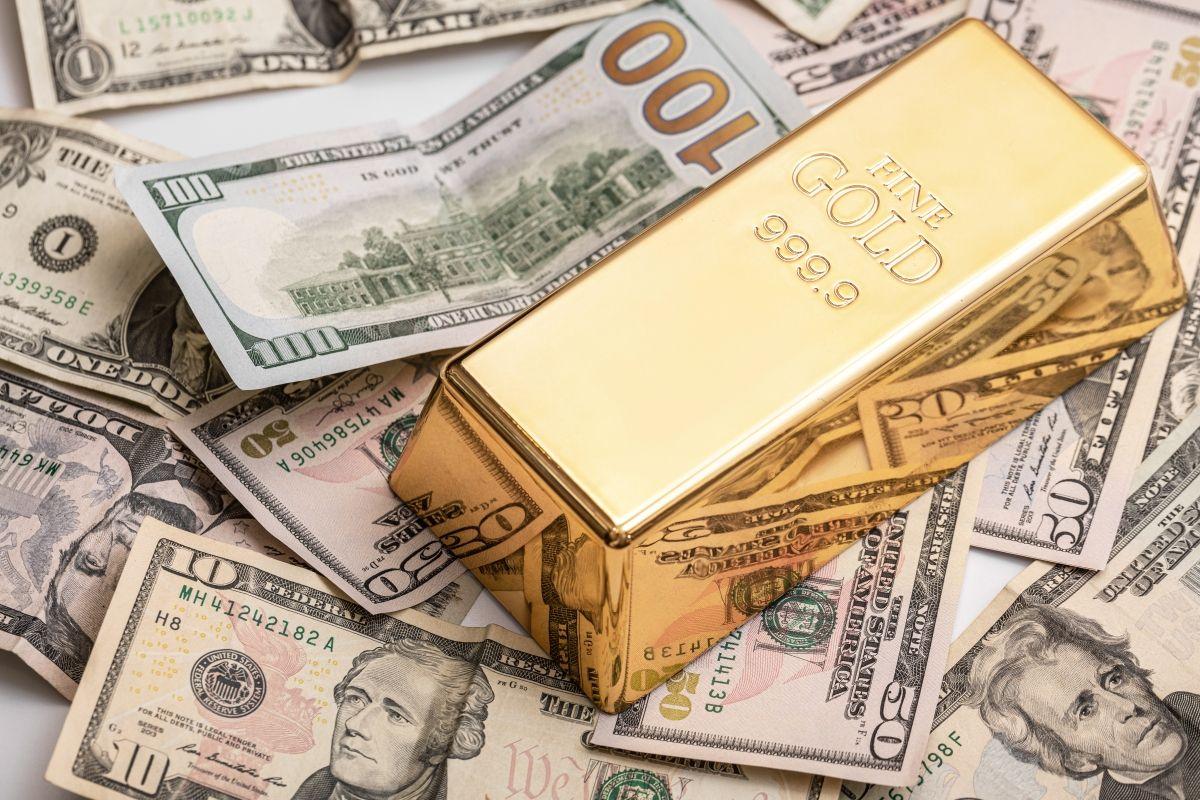
Gold Stays Resilient As Softer Dollar Offsets Rate Pressure
Gold held firm as the dollar eased ahead of the Federal Reserve’s latest policy decision, with traders balancing two competing forces, softer currency support on one side and stubborn inflation risk on the other. Spot gold was around $5,013.71 an ounce on March 17, while U.S. gold futures traded near $5,018.10, leaving the metal steady after a volatile stretch driven by war-related energy shocks and changing rate expectations.
The move matters for markets because gold is no longer trading only as a traditional safe haven. It is also reacting to the same inflation and rates debate that is moving bonds, the dollar and equities. A weaker greenback usually helps bullion by making it cheaper for non-U.S. buyers, but that support is being partly offset by concern that high oil prices will keep central banks cautious about cutting rates.
Dollar Softness Gives Bullion A Floor
The first support for gold came from the currency market. After climbing in earlier sessions, the dollar lost some momentum, easing pressure on bullion and allowing prices to stabilize. For traders, that matters because gold often has an inverse relationship with the U.S. currency, especially during periods when macro positioning rather than jewelry or physical demand is driving the price.
This currency effect has been especially visible in March. Gold rose nearly 2% on March 10 when the dollar softened and inflation worries briefly cooled, showing how quickly the metal can recover when the rate backdrop becomes less hostile. That earlier rebound is still shaping market psychology, because investors know bullion can move sharply if the dollar weakens again after the Fed.
Oil And Inflation Fears Keep The Federal Reserve In Focus
The larger constraint on gold is inflation. The Middle East conflict has lifted oil prices sharply this month, and those higher energy costs are feeding into expectations that the Federal Reserve may delay rate cuts even if parts of the U.S. economy soften. Reuters reported that Barclays now expects only one Fed cut in 2026, while Goldman Sachs also pushed back its rate-cut call to September and December because of war-driven inflation risks.
That matters directly for bullion because gold does not pay interest. When rates stay higher for longer, the opportunity cost of holding non-yielding assets increases. In other words, the metal can benefit from geopolitical fear and dollar weakness, but it struggles when investors believe the Fed will stay restrictive. This is why gold has looked resilient rather than explosive, despite a market backdrop that would normally be more supportive for safe-haven assets.
Safe-Haven Demand Is Real, But Not Dominant
Gold is still drawing some support from geopolitical uncertainty. Investors are watching the fallout from the conflict in the Middle East, the security of oil shipments and the broader inflation consequences of disrupted energy flows. Those risks have kept a floor under bullion, especially after prices dipped toward a near one-month low of $4,993.42 on March 16.
Even so, the haven bid has not fully taken over. Unlike a pure panic environment, this market is forcing traders to choose between safety and yield. If oil remains above $100 a barrel, inflation may stay high enough to reduce the appeal of gold relative to assets that benefit from firmer rates. That is why the metal has been steady rather than breaking decisively higher. The market still wants protection, but it also sees a Fed that may have less room to ease.
Why The Federal Reserve Matters For Equities, FX And Bullion
The Fed decision is the next major trigger because it shapes more than gold. If policymakers signal that rate cuts are likely to be delayed by energy-driven inflation, the dollar could strengthen again and Treasury yields could stay elevated. That would usually weigh on bullion while also pressuring rate-sensitive equities and tightening broader financial conditions.
If, instead, the Fed acknowledges economic softness and sounds more open to easing later in 2026, gold could gain through two channels at once, a weaker dollar and lower real-rate pressure. That would likely support bullion, calm some bond-market stress and improve appetite in parts of the equity market that are sensitive to falling yields. In this sense, gold is acting as both a macro hedge and a live readout on monetary policy expectations.
Base Case, Upside Scenario, Downside Scenario
In the base case, gold remains firm but range-bound as the dollar eases modestly while the Fed keeps a cautious tone. Under that outcome, bullion holds near current levels because safe-haven demand and a softer currency offset the drag from delayed rate-cut hopes.
The upside scenario requires two triggers. First, the Federal Reserve would need to sound less hawkish than markets fear. Second, oil prices would need to stabilize enough to reduce inflation pressure. If both happen, gold could regain stronger upward momentum as traders rebuild positions around lower real yields and a weaker dollar.
The downside scenario is that policymakers emphasize inflation risk and keep markets focused on fewer cuts into late 2026. If the dollar firms again and yields rise, gold could slip despite ongoing geopolitical uncertainty, because the rate environment would become the dominant force.
Bottom line:
Gold is holding up because dollar softness and geopolitical caution are still giving the market support. The next decisive move depends on whether the Federal Reserve leans toward protecting against inflation or leaves room for easier policy later this year.
Other News

XM Launches "Worldwide Partner Ladder – Beat Your Best" Promotion, Offering Partners Up to $40,000 in Rewards
By Tredu.com · 7/14/2026

The Role of Intelligent Forex Trading Systems in Optimizing Algorithmic Trading Performance
By Tredu.com · 5/20/2026

How Machine Learning Forex Trading Bot Enhances Predictive Accuracy in Forex Markets
By Tredu.com · 5/20/2026