Gulf Oil Scrambles Around Hormuz Blockade As Export Routes Reach Limits

By Tredu.com • 3/18/2026
Tredu
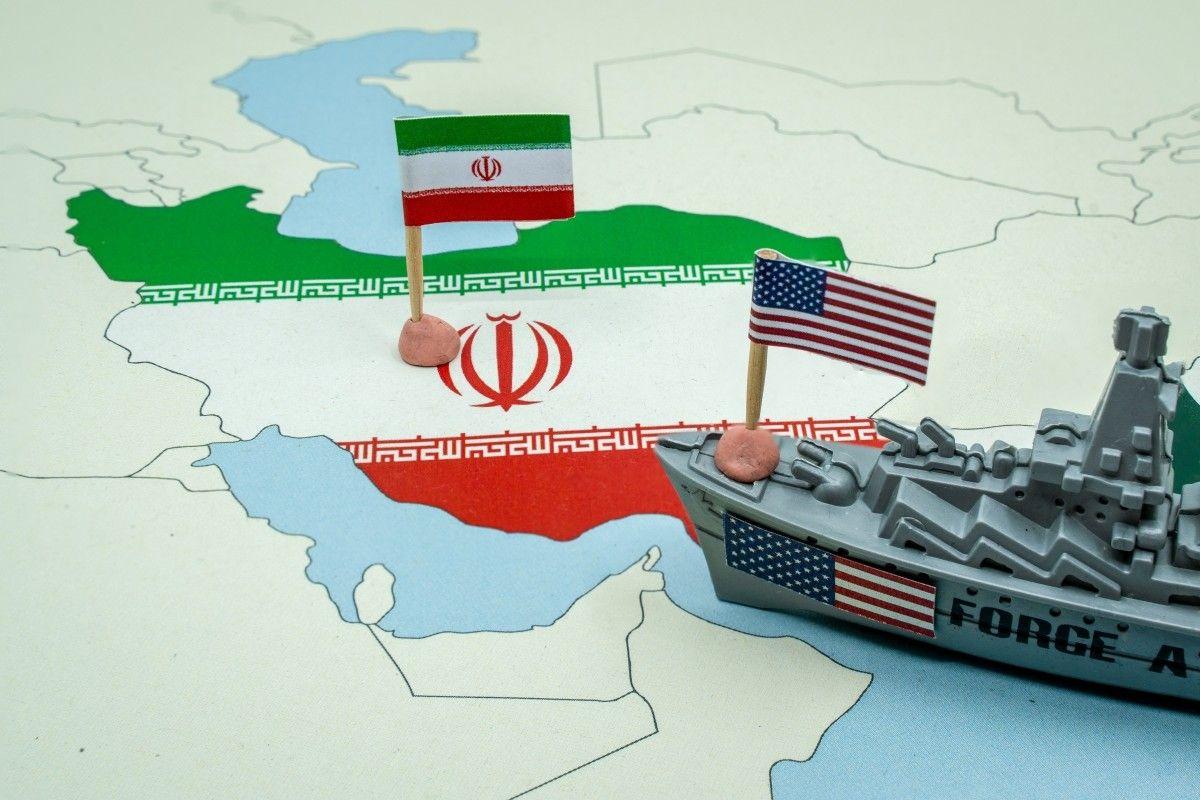
Gulf Producers Rush To Reroute Crude As Hormuz Stays Effectively Shut
Gulf oil producers are scrambling to move barrels around the Strait of Hormuz after Iran halted almost all shipping through the chokepoint, forcing exporters to lean on the few pipelines that bypass the waterway. The shift matters because Hormuz normally carries about 20% of global oil and liquefied natural gas supplies, making the blockade one of the biggest immediate threats to energy flows, freight markets and inflation expectations worldwide.
Saudi Arabia and the United Arab Emirates have already started rerouting meaningful volumes through existing overland links, but the market problem is that these alternatives are finite. The pipeline network reduces some of the shock, yet it cannot fully replace the scale and flexibility of open tanker traffic through Hormuz. That leaves crude markets trading not only on disrupted flows, but on how fast the bypass routes approach their operating ceiling.
Saudi Arabia Shifts Exports Hard To The Red Sea
Saudi Arabia is rapidly raising flows through its East-West pipeline, which sends crude across the kingdom to the Red Sea port of Yanbu. According to the International Energy Agency data cited in the Reuters graphics package, flows through that route have surged from an average of 1.7 million barrels per day in 2025 to a record daily export of 5.9 million barrels per day from Yanbu on March 9, with the line expected to reach its full capacity of 7 million barrels per day within days.
That move is already reshaping tanker patterns. Reuters graphics based on Kpler data show Saudi crude exports from Gulf terminals dropped sharply after the war outbreak on February 28 while Red Sea terminal activity jumped, signaling a fast pivot westward. The same package also shows tanker traffic at Saudi Red Sea ports rising from 97 vessels on March 2 to 134 vessels on March 15, with a visible queue building at Yanbu by March 17.
For markets, this matters because Saudi Arabia is proving it can reroute a large share of supply, but only by loading the alternative system very heavily. Once the East-West line gets close to capacity, the kingdom loses flexibility, and every new disruption starts to matter more for price formation.
UAE Maxes Out Fujairah Route Outside The Strait
The UAE is making a similar push through the Habshan-Fujairah pipeline, which connects onshore fields to Fujairah on the Gulf of Oman and avoids the Strait of Hormuz altogether. Reuters, citing IEA figures, reported that flows through the line averaged 1.8 million barrels per day between March 1 and March 10, up from around 1 million barrels per day before the crisis and effectively at the route’s reported maximum capacity.
That means one of the Gulf’s most important bypass options is already running flat out. For energy traders, the implication is straightforward. The UAE can keep some exports moving without relying on Hormuz, but it has little room to add more if the crisis drags on or if other producers seek relief through the same maritime zone. The port of Fujairah remains strategically valuable, yet its pipeline alone cannot absorb the broader regional shock.
Bypass Lines Help, But They Do Not Solve The Export Gap
The key market takeaway is that bypass infrastructure softens the immediate blow but does not neutralize it. Saudi Arabia’s East-West line and the UAE’s Habshan-Fujairah line are among the only major existing routes that can avoid Hormuz, and both are now carrying sharply higher volumes. That provides some physical relief, but it also exposes how little spare rerouting capacity the Gulf really has once the main chokepoint is shut.
This matters for equities, bonds and currencies because oil is being priced on constrained optionality. Energy producers with secure output routes can benefit from a stronger crude deck, but airlines, transport, chemicals and energy-importing economies face higher costs. At the macro level, tighter supply routes support inflation fears, which can delay rate-cut expectations and keep volatility elevated across risk assets.
Shipping, Insurance And Freight Costs Become The Next Pressure Point
Even where barrels can still move, the economics have changed. Tanker rerouting, queueing and alternative port loading all raise shipping friction, and insurers tend to lift war-risk premiums when the core regional route is effectively blocked. The result is that crude does not need to disappear entirely for markets to tighten. A slower, more expensive and less flexible export system is enough to lift prompt prices and widen risk premia.
That mechanism matters beyond oil. Higher freight and insurance costs can spill into refined products, petrochemicals and industrial supply chains, while the stronger oil price feedthrough can pressure bond markets and inflation-sensitive sectors. In that sense, the Hormuz shutdown is not only a commodity disruption. It is a broader pricing shock moving through the global macro system.
Base Case, Upside Scenario, Downside Scenario
In the base case, Saudi Arabia and the UAE continue rerouting crude through their bypass pipelines while Hormuz remains largely unusable. Under that outcome, global oil supply does not collapse, but crude stays elevated because the alternative routes are close to their limits and freight conditions remain strained.
The upside scenario requires a clear operational trigger, some restoration of tanker movement through Hormuz or a credible de-escalation that lowers shipping and insurance risk. If that happens, oil prices could cool as the market reopens the cheapest and largest export corridor in the Gulf, easing pressure on inflation and energy-importing economies.
The downside scenario is that the bypass lines remain maxed out while the blockade persists or worsens. If additional infrastructure is hit, or if export queues and freight costs keep building, the market may start pricing not just disruption but sustained scarcity. That would support another leg higher in crude, push volatility up across equities and reinforce the global inflation shock.
Bottom line:
Saudi Arabia and the UAE are proving they can route some crude around Hormuz, but the Gulf’s alternative network is far smaller than the blocked chokepoint. The market consequence is a thinner export system with less spare capacity, which keeps oil, freight and inflation risks elevated even before any new damage occurs.
Other News

The Role of Intelligent Forex Trading Systems in Optimizing Algorithmic Trading Performance
By Tredu.com · 5/20/2026

How Machine Learning Forex Trading Bot Enhances Predictive Accuracy in Forex Markets
By Tredu.com · 5/20/2026

FinancialMarkets.media granted the Official Google Partner certification
By Tredu.com · 5/20/2026