Iran Signals Nuclear Deal Flexibility If Sanctions Lift, Oil Watches

By Tredu.com • 2/16/2026
Tredu
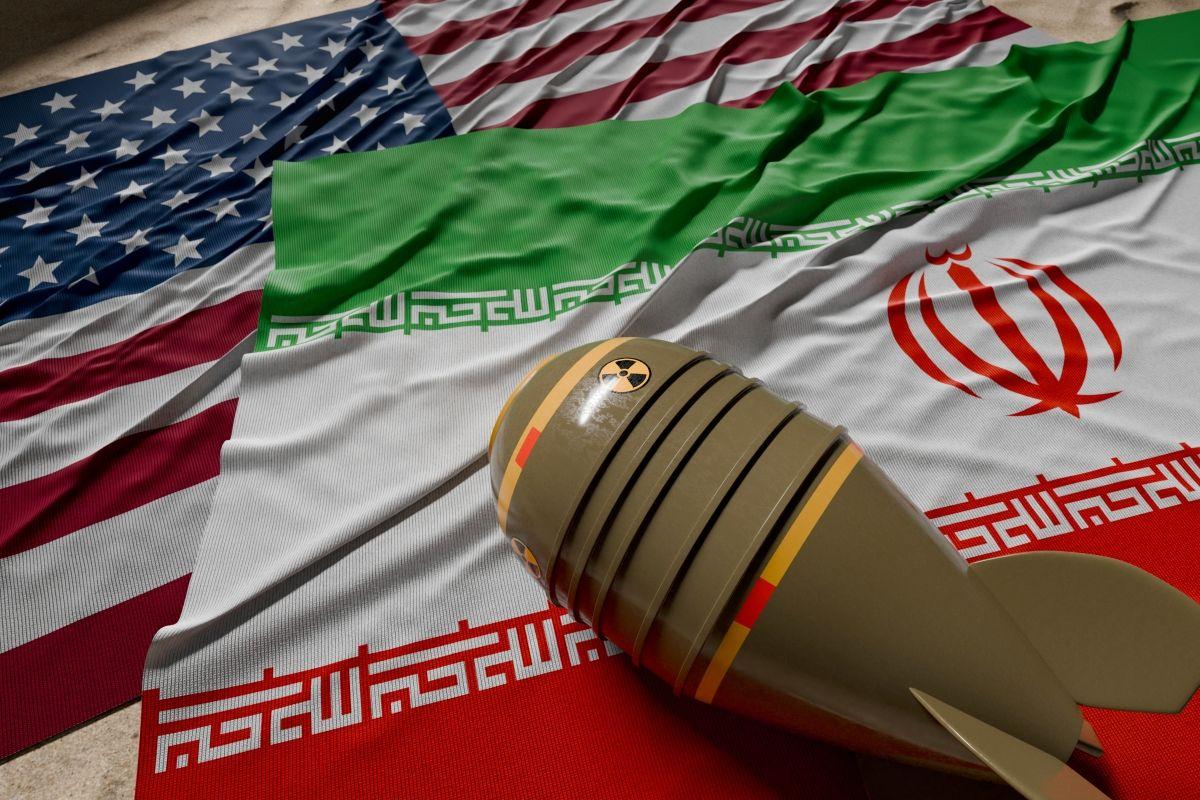
Iran Signals Flexibility Ahead Of February 17 Geneva Talks
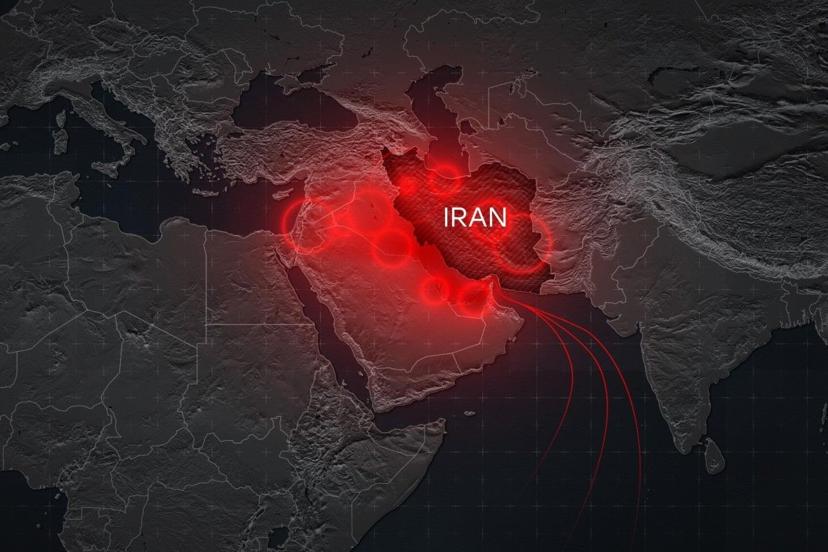
Iran said on February 15, 2026 that it is ready to consider compromises in nuclear negotiations with the United States if Washington is willing to discuss lifting sanctions. Indirect talks are set for Tuesday, February 17 in Geneva with Oman mediating, a timetable that has oil desks alert for policy steps that can change export flows and the oil risk premium. The market watches each headline for shifts in supply.
The message is aimed at making any agreement durable after the last cycle unraveled. The 2015 accord eased restrictions in exchange for curbs on Iran’s program, but the United States withdrew in 2018 and reimposed economic sanctions, forcing companies and banks to unwind exposure and rebuilding a geopolitical premium into energy markets.
Sanctions Relief Is The Price Point Tehran Keeps Repeating
Iranian officials have argued that sanctions must lift in ways that create measurable economic returns, including activity in oil and gas fields, mining investment, and aircraft purchases. The commercial angle matters because sanctions relief is not only a legal decision, it changes settlement, insurance, and shipping access, which can move physical markets within weeks.
Iran’s deputy foreign minister Majid Takht-Ravanchi said in a Sunday interview that the ball was “in America’s court” to show it wants a deal, framing compromises as conditional on sanctions relief being genuinely on the table. That posture puts immediate focus on sequencing, not slogans.
Enrichment And Verification Remain The Technical Fault Line
Iran has indicated it could dilute its most highly enriched uranium as an example of flexibility, while keeping enrichment inside the country. International inspectors have been seeking clarity on stockpiles and access to key sites, including facilities hit in U.S.-Israeli strikes in June 2025.
The United States has insisted that Iran cannot retain an enrichment capability, a stance Tehran has rejected. That “zero enrichment” red line is the core risk: it is harder to bridge than limits on centrifuges or inspection frequency, and it can derail negotiations even when both sides want economic relief.
Oil Market Watches China, Where Over 80% Of Exports Land
The crude channel has two opposing levers. A negotiated sanctions lift could loosen shipping and payment constraints and increase available barrels, easing spot tightness and lowering freight and fuel costs for global consumers. At the same time, Washington has discussed steps to reduce Iran’s oil exports to China, a pressure point because China absorbs more than 80% of Iran’s crude exports.
This makes enforcement actions a near-term catalyst. Tighter policing of tankers, insurance, or dollar settlement can tighten supply quickly; waivers or licenses can do the reverse, shifting price expectations without any change in geology.
Equities, Credit, And Volatility Move On The Same Headline
Energy producers and oil services tend to benefit from higher crude and wider geopolitics risk premia, while airlines, shipping, and chemicals typically fare better when oil retreats. The cross-asset spillover is clearest in credit: higher oil and higher geopolitical risk usually widen emerging-market and high-yield spreads, while easing risk can compress spreads and lift equity multiples.
Rates are also in play. A persistent oil rise can lift inflation expectations and keep front-end yields elevated, while a decline can relieve inflation pressure and support rate-cut pricing. In foreign exchange, risk-off episodes can strengthen the U.S. dollar and safe-haven currencies, while calmer outcomes can support pro-cyclical FX as hedging demand fades.
Base Case: More Meetings, Limited Near-Term Sanctions Lift
Base case over the next 30–60 days is continued Geneva talks and Oman-channel diplomacy, with incremental confidence steps but only narrow relief measures. Under this path, oil holds a broad range and implied volatility remains elevated because traders cannot lock in a clear sanctions timetable.
The trigger for a sustained repricing lower in oil is a documented sequence, for example specific inspection access and a cap on enrichment in exchange for explicit permissions on banking, shipping, and insurance.
Upside Scenario: Verified Limits, Clear Waivers, Lower Risk Premium
Upside requires a verifiable package that reduces breakout fears and includes sanctions lift steps that companies can use, not just political statements. Triggers would include expanded inspections, a defined dilution plan, and a published waiver schedule that reduces reversal risk.
In that outcome, oil can soften, equities outside energy can outperform, and credit spreads can tighten as risk appetite improves. Lower energy input costs would also support transport margins into the second quarter of 2026.
Downside Scenario: Breakdown Brings Export Pressure And Military Risk
Downside is a stall over enrichment language or sanctions sequencing, followed by tougher enforcement on China-bound flows or renewed military escalation. Triggers include failed rounds in late February, a rapid move to tighten shipping constraints, or a collapse in monitoring arrangements.
In that case, crude can reprice higher quickly, rates can jump alongside inflation hedging, and risk assets can sell off as investors move into cash-like instruments and safe havens.
Bottom line:
ran is signaling room to bargain, but only if sanctions relief is part of the package and sequencing is credible. Markets will trade the China export channel and enforcement risk while the Geneva process tests whether technical compromises can be verified and funded.