Iran Strikes Keep Hitting Energy Routes Even As Trump Seeks A Pause

By Tredu.com • 3/24/2026
Tredu
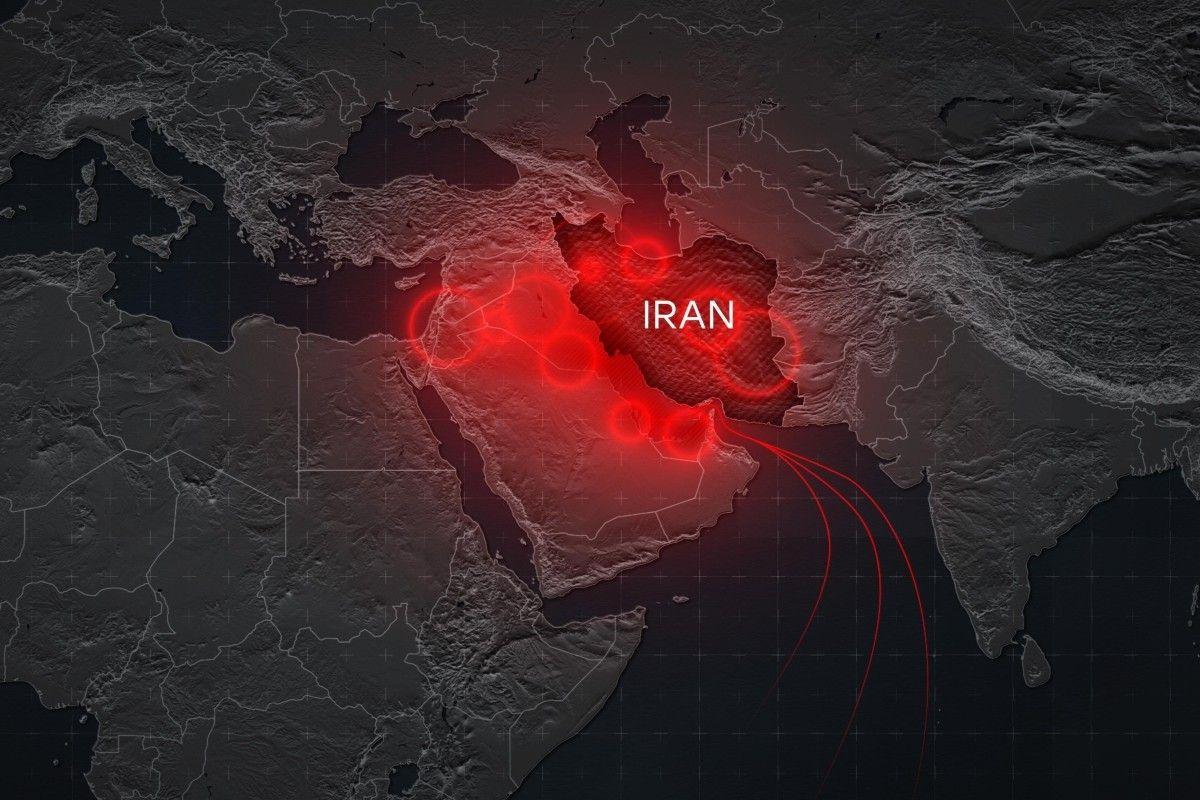
The Market Learned That A Pause Is Not The Same Thing As Calm
The latest shift in Washington’s posture has not restored confidence in Gulf energy security. President Donald Trump delayed planned attacks on Iranian power and energy assets, but the broader conflict has kept grinding on, with Iranian missile activity, continued U.S. military pressure on non-energy targets and no confirmed diplomatic breakthrough. For markets, that means the war premium in oil did not disappear, it merely changed shape.
That distinction matters because traders had briefly hoped the pause would mark the start of de-escalation. Instead, Tehran denied that meaningful talks with Washington were taking place, and the fighting continued around the region. Once that became clear, oil reversed part of its earlier collapse and financial markets began repricing the conflict as unresolved rather than defused.
Energy Infrastructure Is No Longer The Only Pressure Point
The market’s first mistake was treating the threat to energy sites as the only relevant risk. Even with a temporary halt to strikes on Iranian energy infrastructure, other forms of military pressure still matter for oil and gas. Shipping routes, insurance conditions, export logistics and regional confidence can all deteriorate without a refinery or gas plant being directly bombed.
That is exactly what markets are confronting now. The Strait of Hormuz remains heavily disrupted, and the conflict has already removed massive volumes from normal trade flows. When shipments stay constrained, buyers and refiners still have to price scarcity, even if one category of targets is temporarily off-limits.
Oil Rebounded Because The Supply Threat Never Truly Left
Brent moved back above $100 a barrel after the initial relief trade faded, while U.S. crude also pushed higher as traders returned to the more basic question of how much energy can still move through the Gulf. The rebound said a lot about market psychology. Investors were willing to celebrate the strike delay for one session, but they were not willing to assume the underlying supply threat had been removed.
This is why the energy market remains so volatile. Prices are no longer reacting only to confirmed physical outages. They are reacting to operational fragility, to the possibility of fresh retaliation and to the growing sense that even limited pauses can break down quickly. In that kind of environment, crude can fall sharply on diplomatic headlines and then rebound just as sharply when the military reality reasserts itself.
The Real Story Is Trade Flow Damage, Not Just Diplomatic Noise
The most important mechanism for markets is still trade flow damage. The Gulf does not need a total shutdown for the global economy to feel pain. Delays, rerouting, underinsurance and lost confidence can raise costs enough to keep the inflation shock alive.
That matters especially because the current disruption has already been described as the largest oil supply shock on record. If that backdrop remains in place, a temporary pause in one area of military activity is not enough to restore normal pricing. The market is looking at a stressed export system, not a clean path back to pre-war conditions.
Stocks, Bonds And Currencies Are Trading Off The Same Energy Signal
The spillover is wider than oil. Global investors are still treating the Gulf conflict as an inflation problem first and a growth problem second. That is why Treasury yields have stayed under pressure, the dollar has regained some ground and equity relief rallies have looked fragile. A durable fall in oil would ease that cross-asset stress. A temporary pause without a supply repair does not.
This is also where the policy story becomes more difficult. If oil remains elevated, central banks have less room to soften. If central banks stay cautious, stocks and bonds both face a harder backdrop. In other words, the Iran story is no longer confined to defense and energy shares. It is feeding directly into rate expectations, funding costs and broader risk appetite.
Base Case, Upside Scenario, Downside Scenario
The base case is that military pressure continues around Gulf energy routes even while direct attacks on Iranian energy sites remain paused. Under that outcome, oil stays volatile but supported, shipping risk remains high and global markets keep carrying a sizeable inflation premium linked to the conflict.
The upside scenario requires more than another delayed strike. It would need visible diplomatic progress, fewer missile attacks and some restoration of confidence around Gulf shipping. If those conditions appear together, oil could retreat more convincingly and equities would likely find stronger footing as inflation fears cool.
The downside scenario is that the current pause proves narrow and temporary while attacks, retaliatory threats and route disruptions continue. If that happens, crude could quickly rebuild a larger war premium, and markets would return to the harsher stagflation trade already seen earlier this month.
Bottom line:
Trump’s pause changed the optics of the conflict, but not the core energy risk. As long as Gulf routes remain impaired and military pressure continues outside the narrow energy-target freeze, oil and global markets will keep trading a live supply shock, not a settled peace.
Other News

XM Launches "Worldwide Partner Ladder – Beat Your Best" Promotion, Offering Partners Up to $40,000 in Rewards
By Tredu.com · 7/14/2026

The Role of Intelligent Forex Trading Systems in Optimizing Algorithmic Trading Performance
By Tredu.com · 5/20/2026

How Machine Learning Forex Trading Bot Enhances Predictive Accuracy in Forex Markets
By Tredu.com · 5/20/2026