Oil Falls As United States Iran Talks Ease Risk Premium For Markets

By Tredu.com • 2/9/2026
Tredu
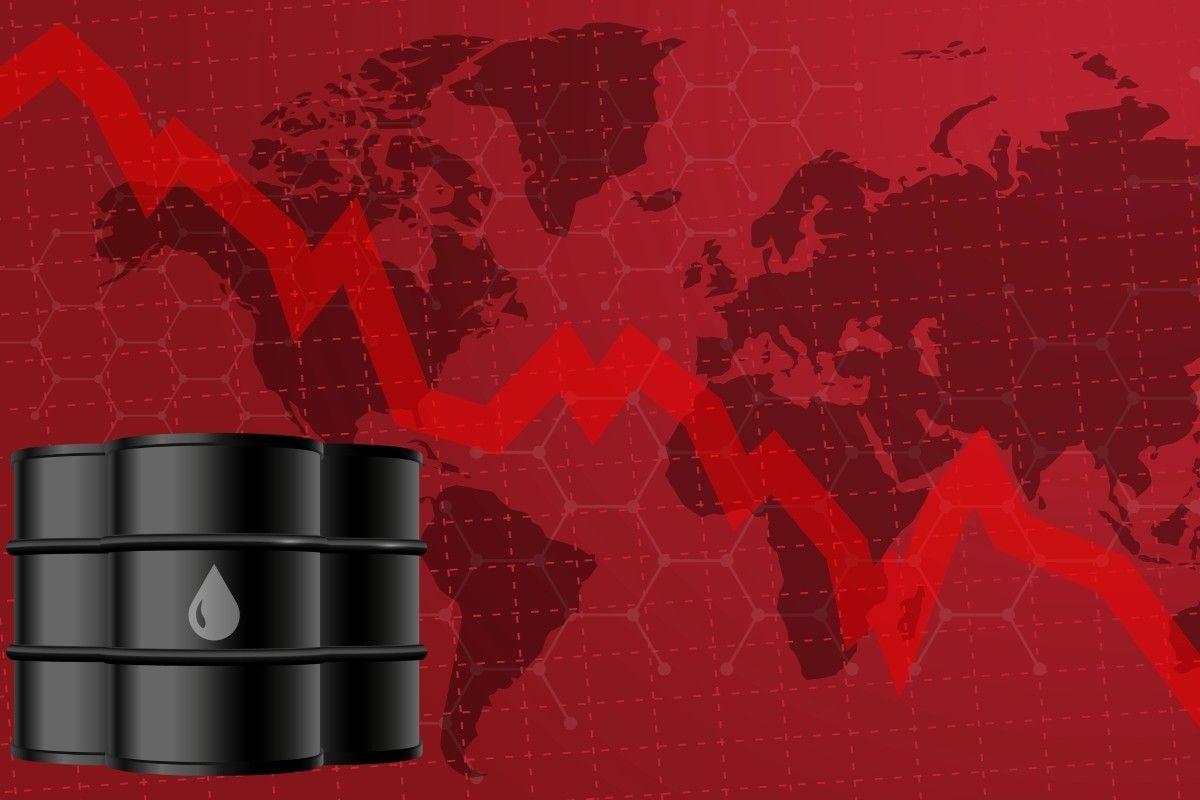
Oil falls on Monday, February 9, 2026, after signs of calmer diplomacy helped Ease near-term fears of a supply hit in the Middle East. Brent crude was about $67.21 a barrel, down 84 cents or 1.2%, and U.S. West Texas Intermediate (WTI) traded near $62.73, down 82 cents or 1.3%. The shift matters for Markets because a softer Middle East risk premium can cool inflation expectations, move FX, and change sector leadership in equities.
Hormuz Route Calm Weakens Prompt Brent And WTI Pricing
Price action turned after the United States and Iran pledged to keep indirect nuclear Talks going following what both sides described as positive meetings in Oman. Traders marked down the probability of a disruption through the Strait of Hormuz, a route that carries about one-fifth of global oil consumption. When that tail risk is reduced, prompt barrels lose scarcity value and the front of the curve weakens first.
Crude had already been easing. Brent and WTI finished last week more than 2% lower, their first weekly decline in seven weeks, after trading above $70. Monday’s move extended that recalibration as the market re-priced probability rather than physical supply, and it trimmed the premium embedded in near-dated contracts.
Equities And Credit Reprice Cash Flows When Crude Prices Drop
Lower oil can pressure producer earnings models, especially for companies with less hedged output for 2026. At the same time, refiners and airlines often benefit as fuel inputs decline, and transport-heavy businesses can see margin assumptions improve. A $5 move in Brent over a few sessions is enough to shift quarterly guidance sensitivity for both energy producers and large fuel buyers.
In credit, high-yield energy spreads can widen when crude falls because lenders and investors reassess free cash flow and leverage ratios. The offset is macro: cheaper gasoline and diesel can support consumer spending, which can tighten spreads in retail and travel if the oil drop reflects reduced geopolitics rather than collapsing demand.
Russia Policy And India Purchasing Shifts Keep Supply Risk In Play
Diplomacy did not remove all constraints. European officials have proposed banning services that support Russia’s seaborne crude exports, a measure that could raise shipping and insurance frictions if implemented. In parallel, Indian refiners, once the biggest buyers of Russia’s seaborne crude, have been avoiding Russian cargoes for April delivery, a change that can redirect flows and tighten differentials for alternative grades.
Those supply-side frictions can rebuild a premium quickly even if Talks stay active. If logistics costs rise or barrels reroute, effective supply can look tighter without any headline change in production quotas, which keeps the market sensitive to policy headlines.
Bonds, FX, And Volatility React Through Inflation And Risk Appetite
Oil is a large input into headline inflation, so a drift toward the mid-$60s can pull near-term inflation prints lower and support bonds, particularly at the front end where policy expectations sit. A calmer crude market can also reduce inflation-linked volatility, lowering hedging demand across rates and trimming the tail of inflation breakevens.
In foreign exchange, petrocurrencies such as the Norwegian krone and Canadian dollar often soften when crude falls, while importers can benefit as energy bills decline. If markets read the move as de-escalation, risk appetite can improve; if they read it as weaker growth, the U.S. dollar can strengthen. The direction hinges on whether the oil drop is demand-led or risk-led.
Event Risk Remains, Keeping Options Demand Firm
Conflicting rhetoric keeps volatility alive. Iran has warned that U.S. bases would be targeted if Iran were attacked, maintaining a live tail risk even as the immediate tension cools. In that environment, options markets can stay bid, because traders expect sharp reversals if headlines flip and because liquidity can thin quickly around geopolitical updates.
Tredu tracking shows that when crude swings 2%–3% on news flow, equity volatility rises for airlines, transport, and energy, while credit spreads can widen for smaller producers with higher funding needs.
Base Case: Talks Extend, Prices Consolidate For Markets
Base case, negotiations continue and shipping through Hormuz remains uninterrupted, keeping Brent in a $65–$70 range and WTI in a $60–$65 range into late February. Under this path, the Risk Premium fades gradually, energy equities lag broad indices, and bond markets lean toward easier inflation. A trigger would be confirmation of another Oman meeting date and stable tanker traffic.
Upside Scenario: A Disruption Rebuilds The Premium
In an upside price scenario, a regional incident raises perceived disruption odds, pushing Brent back above $70 and lifting gasoline and diesel cracks. Triggers include threats to shipping corridors, a strike on infrastructure, or rapid military repositioning that increases escalation probability. That would support producer shares, lift inflation breakevens, and pressure consumer and travel stocks.
Downside Scenario: Diplomacy Holds And Oil Falls Further
In a downside scenario, sustained de-escalation reduces speculative length and the Premium continues to unwind, with Brent drifting toward the low $60s and WTI toward the high $50s. Triggers include steady progress in Talks and no fresh sanctions-driven outages. That would support bonds and rate-sensitive equities while weighing on energy cash-flow forecasts and related credit.
Bottom line:
Crude pulled back as diplomacy reduced immediate disruption odds, shrinking the premium embedded in near-term barrels. The next move depends on whether negotiations stay on track or fresh policy and security headlines force traders to reprice supply risk again.