Pakistan Bombs Afghan Kabul As Fighting Lifts Regional Risk Premium

By Tredu.com • 2/27/2026
Tredu
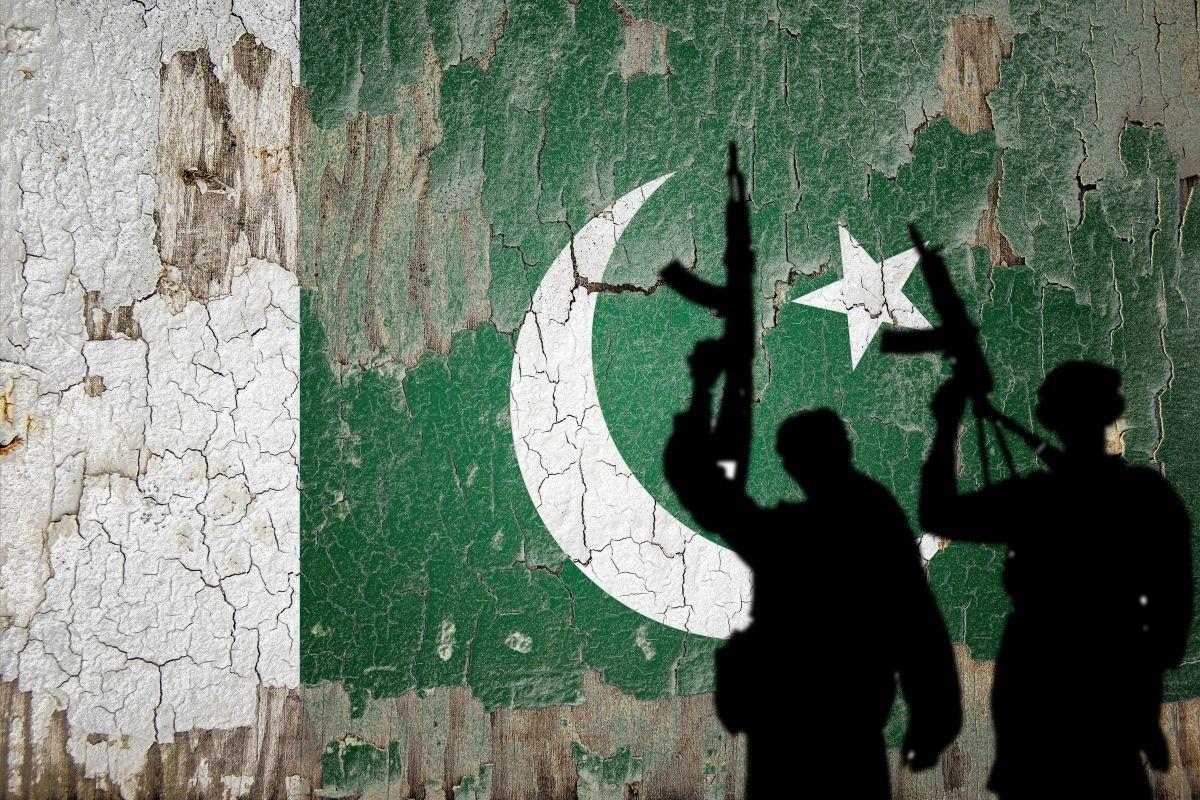
Air And Ground Strikes Hit Kabul After Thursday Night Border Attacks
Pakistan carried out air and ground strikes inside Afghanistan early on February 27, 2026, hitting targets in Kabul, Kandahar and Paktia after Afghan forces launched retaliatory attacks on Pakistani border posts late Thursday. The escalation widens a conflict that had largely centered on cross-border militancy, and it immediately raises a regional risk premium that can move emerging-market FX, local rates and energy-linked equities.
Pakistani security officials described the operation as air-to-ground missile attacks on Taliban military offices and posts, alongside ground fighting across multiple border sectors. Afghan officials confirmed the strikes reached major cities, a sharp step-up from earlier raids that Islamabad said targeted militants rather than Taliban government sites.
Conflicting Casualty Claims Raise Uncertainty For Pricing Risk
Both sides issued sharply different loss figures on February 27, adding fog to an already fast-moving situation. A Pakistani government spokesperson said 133 Afghan Taliban fighters were killed and more than 200 were wounded, with 27 posts destroyed and nine captured. A Taliban spokesperson said 55 Pakistani soldiers were killed and 19 posts seized; he also said eight Taliban fighters were killed, 11 were wounded, and 13 civilians were injured in Nangarhar province.
Those competing tolls matter for markets because they shape expectations for duration. Higher reported losses can harden political positions, making ceasefire negotiations harder and lifting implied volatility in regional assets.
First Direct Hits On Taliban Installations Deepen The Strategic Break
The strikes are notable because they mark the first time Pakistan has directly targeted Taliban installations in Kabul and Kandahar rather than only striking militants that Pakistan says operate from Afghan territory. Kandahar is the base of the Taliban’s top leadership, and hitting it signals a shift from pressure on proxies to pressure on the governing apparatus.
The two countries share a 2,600-kilometer frontier, and prior flare-ups have repeatedly disrupted border movement and trade corridors. A sustained breakdown raises the probability of border closures and higher security restrictions that can hit logistics, consumer supply chains, and cross-border fuel flows.
Fear In Kabul Grows After Multiple Blasts And Depot Fires
Residents in Kabul reported loud explosions and the sound of jets as strikes hit at least two sites, with thick smoke rising from parts of the city. One witness described aircraft dropping two bombs, followed by secondary explosions consistent with ammunition detonations.
Urban strikes increase the risk of miscalculation because civilian casualties can become a political trigger. A higher civilian toll tends to lift the conflict premium faster than isolated border skirmishes, even if the physical economic footprint remains concentrated near frontier provinces.
Border Fighting Near Key Crossings Keeps Trade Disruption Risk Active
Clashes expanded along the border into multiple sectors, with heavy artillery exchanges reported and security tightened around crossings. The Torkham corridor is one of the most important land routes for commercial traffic, and any closure can quickly raise transport costs and delays for time-sensitive cargo.
Repeated disruptions since October 2025 have already made trade flows more fragile. If fighting persists into March 2026, commercial operators typically reprice insurance, reroute trucks, and build larger inventories, tightening working-capital needs for businesses on both sides.
Militant Pressure And The TTP Link Remain The Core Dispute
Islamabad has long accused the Taliban government of allowing Tehreek-e-Taliban Pakistan (TTP) leadership and fighters to operate from Afghanistan. Pakistan has pointed to a wave of attacks and suicide bombings since late 2024, including an assault in Bajaur district that killed 11 security personnel and two civilians last week, which Pakistani security sources attributed to an Afghan national and the TTP.
Afghan authorities deny permitting militant groups to launch attacks into Pakistan, and they have countered with accusations that Pakistan harbors Islamic State fighters. This mutual blame cycle makes de-escalation harder because each side frames security as a sovereignty issue, not a negotiable border incident.
Earlier February Strikes And Civilian Deaths Set The Stage For Escalation
Pakistan launched air strikes last weekend in eastern Afghanistan that it said targeted TTP and Islamic State camps, a round that Kabul and the United Nations said killed 13 civilians. Afghanistan warned it would respond, and Thursday night’s cross-border raids were framed by Kabul as retaliation.
That sequence creates a clear ladder: raids on militant camps, then retaliation on border posts, then strikes on government-linked sites in Kabul and Kandahar. Each rung increases the probability of wider targets and higher civilian exposure.
High Alert Measures Signal Fear Of Urban Blowback
Pakistan’s Punjab province announced heightened security on February 27 amid concerns about militant retaliation in urban centers. Authorities also said security operations led to 90 Afghan nationals being taken to holding centers for deportation, an action that can raise domestic political pressures and elevate the risk of further confrontation.
On the Afghan side, a state-run outlet in Nangarhar circulated images it said showed suicide attackers preparing with explosive vests and car bombs. Even without confirmed deployment, that messaging can lift perceived tail risk and push investors toward safe-haven positioning.
Mediation Channels Re-Open As Regional Powers Signal Concern
Diplomatic efforts gathered pace on February 27. Saudi and Pakistani foreign ministers held talks on reducing tensions, while Russia signaled it would consider mediating if asked by both parties. China said it was deeply concerned and had been engaging through its own channels.
The last major flare-up in October 2025 ended after talks facilitated by Turkey, Qatar and Saudi Arabia. A similar path is possible, but the scale of strikes in Kabul and Kandahar raises the political cost of stepping back quickly.
Military Mismatch Favors Pakistan, But Guerrilla Risk Stays High
On paper, Pakistan has a large advantage in conventional capability, including 660,000 active personnel, a fleet of 465 combat aircraft and more than 260 helicopters, plus a nuclear arsenal estimated at 170 warheads. The Taliban’s forces are estimated at about 172,000 active personnel, with plans to expand to 200,000, and they have no fighter jets and only a small, uncertain fleet of aircraft and helicopters.
The asymmetry can shorten open-field engagements, but it does not eliminate guerrilla risk. A prolonged phase typically shifts toward raids on posts, ambushes on supply routes, and attempts to hit symbolic targets that keep fear elevated.
Market Channels: FX, Rates, Credit Spreads, Commodities, Volatility
For markets, the most direct channel is emerging market risk sentiment. If cross-border fighting continues through the next 7–14 days, investors often demand a higher premium for holding local-currency assets, pushing up sovereign yields and widening credit spreads for banks and state-linked borrowers. FX can weaken when capital seeks dollar liquidity, while equities can lag due to higher discount rates and security uncertainty.
Commodities respond through geopolitics rather than immediate supply. Oil can hold a modest premium when regional escalation risk rises, while gold typically attracts defensive flows during periods when headline risk is hard to hedge. Volatility tends to rise first in local markets, then spill into broader risk appetite when investors reduce exposure to cyclical sectors.
Base Case, Upside Scenario, Downside Scenario With Clear Triggers
Base case: mediation efforts produce a limited pause within 72 hours, reducing air activity over Kabul and shifting conflict back toward localized border incidents. The trigger is a formal contact channel backed by at least one mediator and a reopening of major crossings for commercial traffic.
Upside scenario: fighting expands to additional Afghan cities and key border corridors, and the regional risk premium rises further as investors price a multi-week conflict. The trigger is another round of strikes beyond Kabul, Kandahar and Paktia combined with sustained closures at high-volume crossings.
Downside scenario: retaliation shifts into urban attacks inside Pakistan, lifting domestic security costs and widening credit spreads. The trigger is a confirmed militant strike in a major city combined with a new wave of detentions and border restrictions that disrupt trade for more than 7 days.
Tredu monitoring will focus on whether escalation remains confined to military posts and depots, or spreads into civilian infrastructure and urban centers.
Bottom line:
Pakistan’s strikes on Kabul and other Afghan targets mark a major escalation that increases the probability of a longer conflict along a 2,600-kilometer border. Markets will track whether mediation can halt follow-on raids, or whether further retaliation lifts risk premia across FX, rates and commodities.
Other News

The Role of Intelligent Forex Trading Systems in Optimizing Algorithmic Trading Performance
By Tredu.com · 5/20/2026

How Machine Learning Forex Trading Bot Enhances Predictive Accuracy in Forex Markets
By Tredu.com · 5/20/2026

FinancialMarkets.media granted the Official Google Partner certification
By Tredu.com · 5/20/2026