Qatar Liquefied Natural Gas Halt Lifts Prices, Tightens Markets

By Tredu.com • 3/3/2026
Tredu
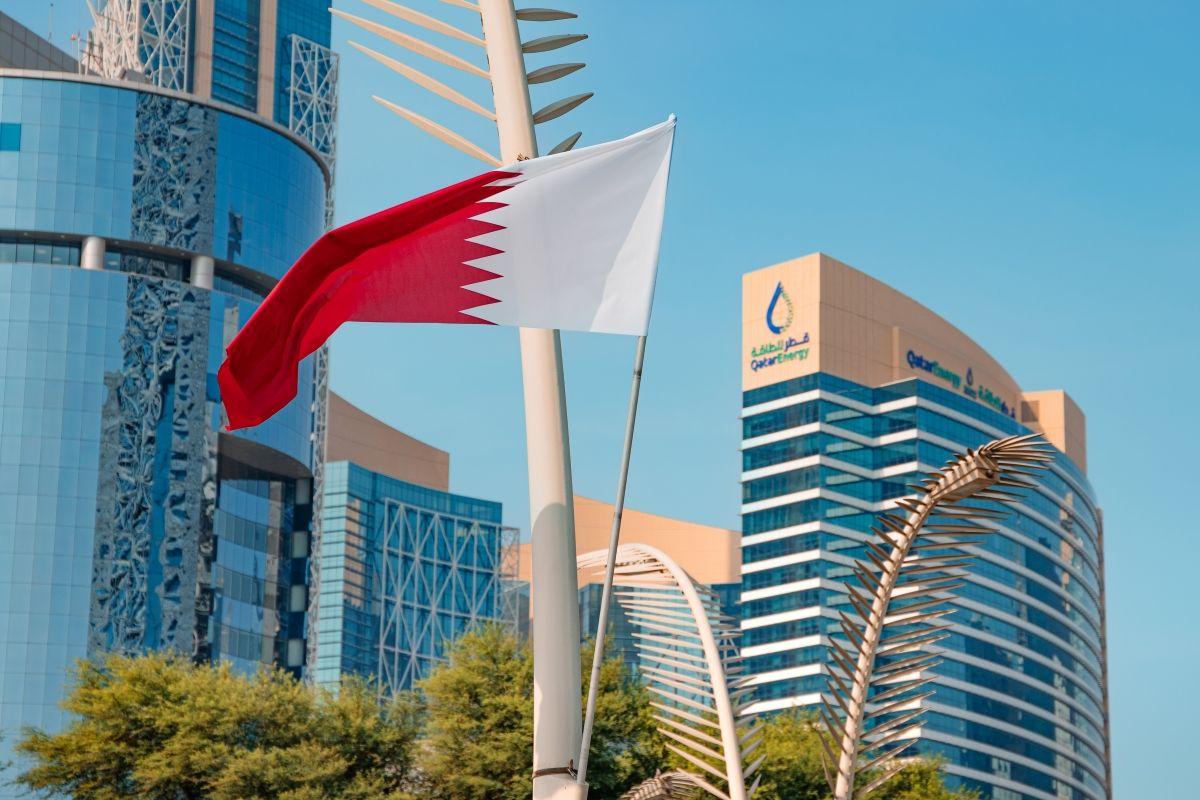
QatarEnergy Stops Output After Strikes Hit Ras Laffan And Mesaieed
Qatar moved to suspend production of liquefied natural gas on Monday, March 2, after drone attacks hit facilities tied to the Ras Laffan industrial complex and the Mesaieed industrial area. The stoppage effectively removed roughly 20% of global seaborne LNG export capacity at once, turning a regional security event into an immediate pricing problem for energy desks and macro funds. In the first trading window after the outage, the move tightened prompt supply expectations across Asia and Europe, where buyers typically rely on spot cargoes to balance late-winter demand.
European Benchmarks Jump As The Marginal Cargo Becomes Scarce
Prices reacted fastest in Europe, where the Dutch Title Transfer Facility, the Dutch TTF gas benchmark, rose as much as 45% to around €46 per megawatt-hour during afternoon trading on March 2, with volatility pushing some intraday prints toward the €60 per megawatt-hour area. In the UK, the NBP benchmark climbed sharply, with traded levels reported near 157 pence per therm. The market impact is driven by small shifts in available supply, because LNG pricing is set at the margin, and a sudden blackout in a top export hub forces buyers to pay up for flexible cargoes.
Hormuz Transit Risk Turns A Production Halt Into A Shipping Constraint
Even if Qatar restores plant operations quickly, every cargo must exit the Gulf through the same route, and the Strait of Hormuz shipping risk is now being priced into freight and insurance. One energy choke point is doing double duty: it governs how quickly replacement LNG can be delivered and how much traders must pay to move it. A Quilter Cheviot energy analyst said the strait has not been fully closed in modern history, but warned that even a temporary slowing can keep ships idle while cover becomes unavailable, a dynamic that lifts delivered prices without requiring a long outage at the liquefaction trains.
Contract Structure Limits Relief From Long-Term Deals
Qatar shipped 80.97 million metric tons of LNG in 2025, and traders estimate about 90%–95% of volumes are sold under long-term contracts, leaving only 5%–10% exposed to spot allocation. That structure reduces immediate volume repricing for contracted buyers, but it also concentrates pain on the small slice of uncommitted supply that sets clearing prices. The result is a rapid reset in forward curves, wider time spreads, and stronger incentives for utilities to secure incremental cargoes early rather than compete later.
Asia Feels The Supply Hit Through India’s Rapid Demand Rationing
The fastest sign of stress in Asia came from India, the world’s fourth-largest LNG buyer and a major customer of Gulf suppliers. Indian firms reduced supplies to industrial users in anticipation of fewer incoming cargoes, with cuts reported in a 10%–30% range to avoid breaching contractual minimum lifting terms. Petronet LNG, GAIL, and Indian Oil moved to notify counterparties and prepare spot tenders, but the economics deteriorate quickly when prompt prices rise at the same time as freight and war-risk insurance costs jump.
Europe Enters March With Storage Below Seasonal Norms
Europe is not structurally dependent on Qatari cargoes day to day, but it is exposed to global competition because LNG is fungible and redirected by price. Qatar typically supplies around 12%–14% of Europe’s LNG imports, and the timing is awkward because Europe gas storage below 30% leaves less buffer against multi-day disruptions. Storage across the European Union was reported below 30% capacity as winter demand faded, compared with roughly 40% at the same point last year, with Germany around 20.5% and France near 21%, levels that increase sensitivity to any supply squeeze.
Cross-Asset Spillovers Move From Gas To Power, Equities, And Credit
The first transmission channel is power pricing, because gas sets marginal electricity costs in many markets, and a higher benchmark price feeds into forward hedges and utility procurement within days. The second channel is equities, where energy-intensive sectors, including chemicals, metals, and some industrials, face margin pressure if spot fuel costs stay elevated into April billing cycles. The third channel is credit, because utilities and large industrials often rely on short-term liquidity to manage hedging and collateral, and a sudden rise in volatility can widen spreads for issuers with heavy fuel exposure.
Supply Response Is Uneven, Even With US Cargo Flexibility
Alternative supply exists, but it is not frictionless. US exporters can redirect cargoes when pricing pulls them to Europe, yet shipping distance and terminal capacity impose limits, and the market must still clear at a higher level when a major hub is offline. Venture Global’s chief executive said his company holds the largest pool of uncontracted LNG cargoes globally and is ready to help stabilize global markets, but also noted that pricing may not fully reflect the new balance while Europe remains in late winter.
Tredu Scenarios Depend On Repair Timing And Maritime Clearance
Tredu base case assumes Qatar restores liquefaction operations within several days and a meaningful share of tankers resumes transit under higher insurance costs, keeping European prices elevated but below panic levels; a practical trigger is confirmed reloading schedules at Ras Laffan and a visible normalization of vessel movements through Hormuz. The upside scenario is an outage that persists into late March, combined with prolonged maritime disruption, pushing the Dutch TTF contract toward €80–€100 per megawatt-hour as utilities compete for prompt cargoes; the trigger is force majeure declarations alongside sustained tanker avoidance. The downside scenario is a rapid de-escalation that allows a staged restart and reduces war-risk premia, pulling UK and European benchmarks back toward pre-attack ranges; the trigger is a clear resumption of insured transits and stable nominations for contracted cargoes over a 72-hour window.
Bottom line:
Qatar’s production stop removed a major slice of global LNG flexibility right as Europe is running lean on storage and Asia is still price sensitive. Markets will stay tight until ships move normally and buyers see verified loadings, not just policy statements.
Other News

The Role of Intelligent Forex Trading Systems in Optimizing Algorithmic Trading Performance
By Tredu.com · 5/20/2026

How Machine Learning Forex Trading Bot Enhances Predictive Accuracy in Forex Markets
By Tredu.com · 5/20/2026

FinancialMarkets.media granted the Official Google Partner certification
By Tredu.com · 5/20/2026