Samsung Surges In Best Session Since 2008 As Chips Lift South Korea

By Tredu.com • 2/3/2026
Tredu
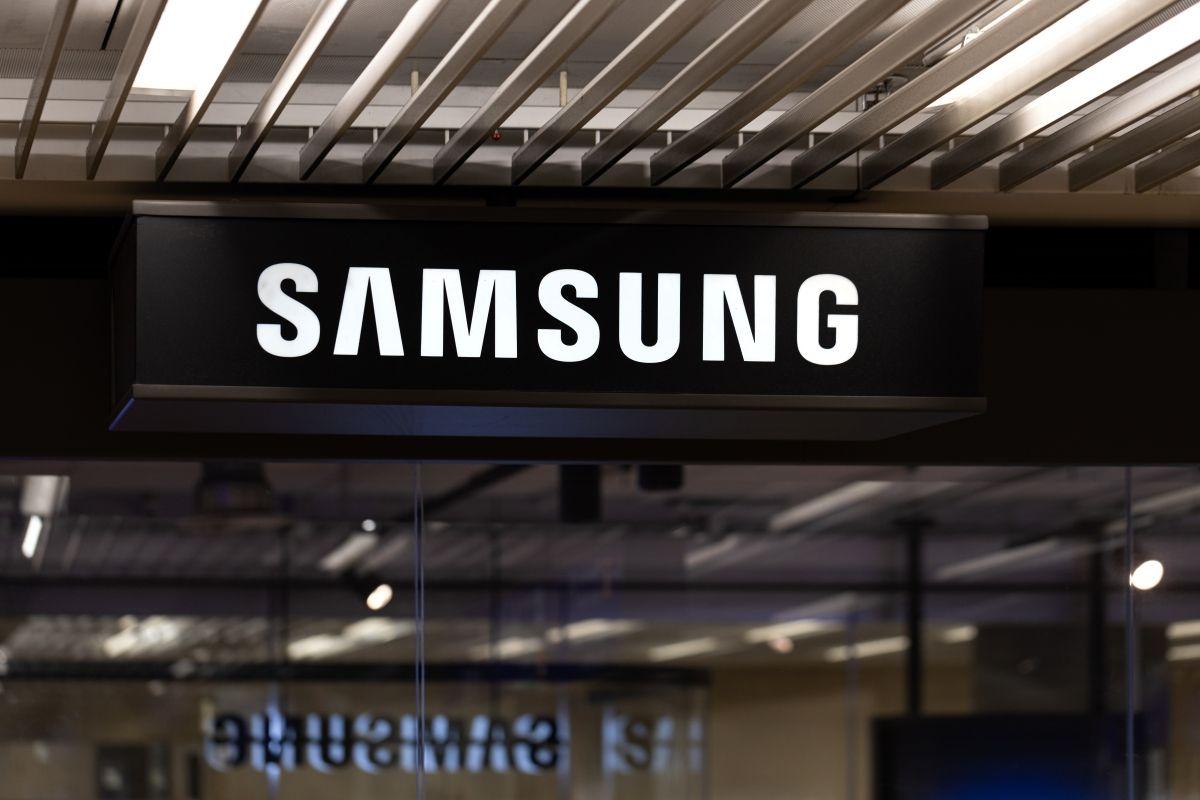
Shares of Samsung Electronics rose 11.4% on Tuesday, February 3, 2026, their strongest one-day move since 2008, as chipmakers bounced from a bruising selloff and propelled South Korea stocks to a fresh peak. SK Hynix gained 9.3%, helping the Korea Composite Stock Price Index (Kospi) climb 6.8% and briefly turn the morning session into a momentum chase. The rebound mattered for global markets because South Korean memory pricing drives earnings assumptions for semiconductors, while sharp swings in Asia can spill into U.S. tech risk and volatility.
Monday’s Deleveraging Sets Up Tuesday’s Snapback
The surge followed a steep drop on Monday, February 2, when South Korean equities gave back gains after a run that had pushed the Kospi above 5,300 earlier in the cycle. A repricing in U.S. rates expectations, tied to the nomination of former Federal Reserve governor Kevin Warsh as the next Fed chair, tightened financial conditions and accelerated profit-taking across crowded trades.
That pressure was amplified by margin-call dynamics after a sharp fall in precious metals late last week, forcing some leveraged investors to raise cash by selling liquid winners. In South Korea, that meant semiconductors and related suppliers, with foreign investors turning into net sellers as risk aversion climbed and intraday swings widened.
The volatility spike was visible in derivatives. The VKOSPI volatility index jumped above 46 on February 2, a level associated with stress hedging and tighter risk limits. When implied volatility rises that fast, dealers typically reduce balance-sheet usage, and that can deepen drawdowns even if the fundamental story has not changed.
Memory Tightness Reasserts Itself As The Earnings Story
Tuesday’s rally was anchored in the semiconductor earnings cycle, where supply remains tight and pricing power has shifted toward leading memory producers. Samsung’s latest quarterly results showed operating profit at 20 trillion won for the fourth quarter of 2025, with its chip business contributing 16.4 trillion won, a jump that reshaped expectations for 2026 cash generation.
High bandwidth memory tightness has become the central mechanism. Samsung has said chip shortages are likely to persist through 2026–2027, and it has pointed to rising high-bandwidth memory output as a key driver of profit. Those signals make spot dips harder to sustain because each pullback invites reassessment of forward margins, especially when order books are framed around AI infrastructure buildouts.
One broker, Heungkuk Securities, tied the near-term swing to pricing. Analyst Sohn In-joon said memory price increases were expected to accelerate in the current quarter, a setup that can lift near-term earnings even as it raises component cost pressure for smartphones and displays. That push-pull is why Samsung can lift the index on a day when chip optimism dominates, yet still face margin questions in consumer hardware when prices keep rising.
Flows Turn, With Program Trading Acknowledging The Speed
The rebound was also about positioning and market plumbing. Local institutions were reported as key buyers in the bounce, and foreign funds were net purchasers as prices stabilized, while retail accounts trimmed exposure after the prior day’s drawdown. In fast-moving markets, those flow reversals can matter as much as fundamentals because they reset near-term supply.
A brief halt in buy orders for program trades was triggered after Kospi 200 futures jumped more than 5%, highlighting how quickly systematic strategies can press into strength once volatility begins to compress. That shift can reinforce the move for a few hours, particularly when short-dated options dealers are forced to chase delta on rising prices.
Won, Bonds, And Credit Price A Different Set Of Risks
The Korean won exchange rate tends to track the balance between global risk appetite and rate differentials. A sharp equity rebound can ease near-term won pressure by pulling capital back into local assets, but the currency remains sensitive to the U.S. rate path after the Fed leadership change.
In rates, Korean government bonds can react in two directions. Risk-on equity strength usually pushes yields higher through growth expectations, while a perception of tighter U.S. policy can keep term premia elevated and limit duration demand. Corporate credit spreads typically tighten when equities surge, but a volatility-led drawdown, like February 2, can push spreads wider for exporters and chip supply chains because funding desks reprice liquidity.
The Move Reaches Beyond Seoul Into Global Tech
The semiconductor complex is globally interconnected through pricing benchmarks, equipment lead times, and AI server demand. When South Korea’s chip leaders rally sharply, it can lift sentiment for U.S. and European semiconductor names, while also raising questions about valuation and the sustainability of AI capex.
Commodities provide a secondary channel. Metals volatility has already shown how quickly leveraged positioning can unwind, and swings in industrial inputs can feed into inflation expectations that matter for bond markets. In this environment, a strong day in chips can coexist with a high volatility regime, where implied moves remain elevated even as spot prices rise.
Base Case: Choppy Gains As Pricing Power Stays Intact
The base case is continued two-way trading through February, with chips supported by tight supply and strong AI-driven demand, but with large daily ranges as investors adjust to the new U.S. rate outlook. Under this path, Samsung surges on earnings and pricing updates, while the broader market remains sensitive to global data and any renewed metals-driven margin stress.
A key trigger for stability is whether memory contract negotiations in the first quarter keep pricing firm without triggering a larger demand slowdown in consumer electronics. If that balance holds, the rebound can persist in a stop-start pattern, and volatility gradually fades from Monday’s extremes.
Upside Scenario: AI Orders Extend, And The Rally Broadens
The upside scenario requires evidence that AI infrastructure spending remains resilient into the second quarter of 2026 and that HBM shipments scale without bottlenecks. If pricing remains strong and utilization stays high, the rally can broaden into equipment suppliers and select industrials, and the won can strengthen as inflows return.
That outcome would likely lift South Korea chips again, reduce hedging demand, and support tighter credit spreads for investment-grade issuers tied to the export cycle. It also lifts global tech multiples if bond yields do not rise at the same time.
Downside Scenario: Rate Repricing Or Forced Selling Returns
The downside scenario is a renewed tightening in financial conditions, driven by higher U.S. yields or another round of forced selling tied to margin calls in other asset classes. If volatility rises again and foreign investors resume heavy net selling, the rally can reverse quickly, and the Kospi can retrace as liquidity thins and dealers reprice risk.
A further trigger would be any clear sign of AI spending cuts or delayed server builds, which would hit the chip earnings narrative directly and widen equity volatility across semiconductors.
Bottom line:
Samsung’s rally signals that investors are still willing to pay up for scarce memory supply and AI-linked earnings, even after a sharp deleveraging day. The market impact now hinges on whether volatility keeps falling and whether higher U.S. rate expectations cap global tech valuations.