Silver Swings Wildly As Funding Stress Hits Metals And Risk Appetite

By Tredu.com • 2/6/2026
Tredu
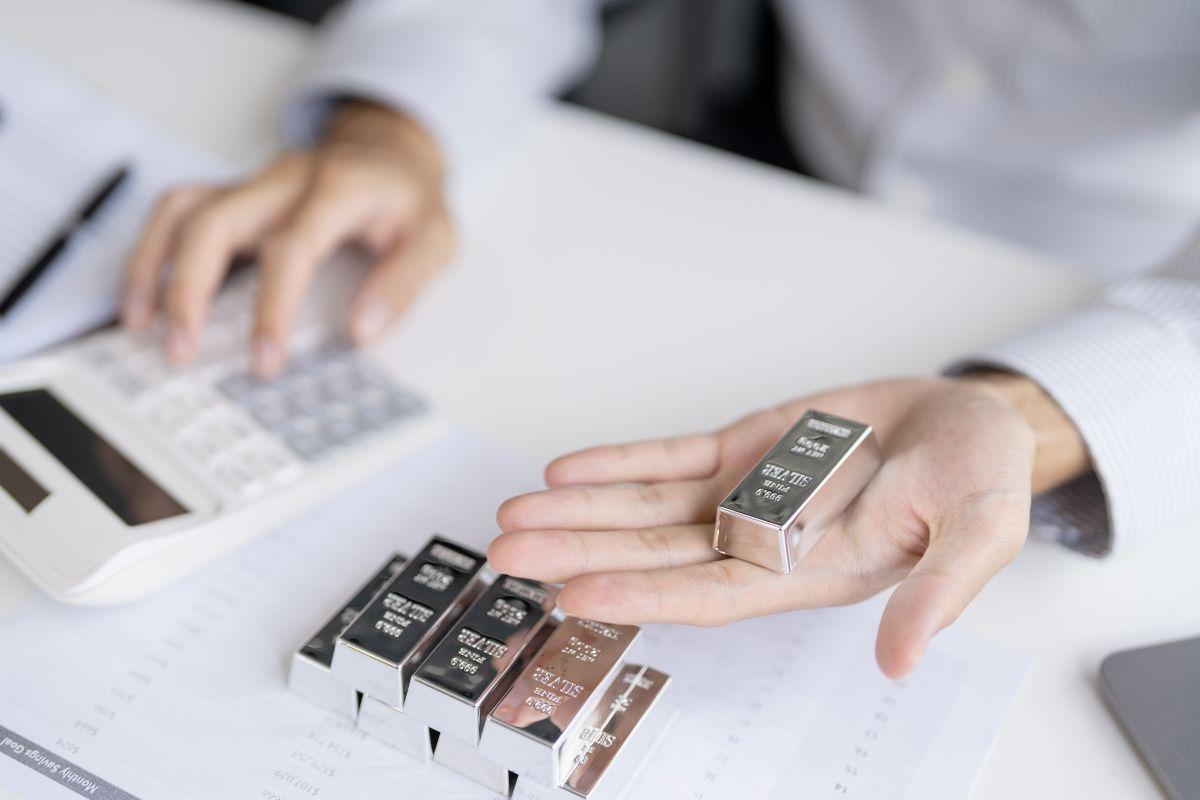
Silver trading turned chaotic again on Friday, February 6, 2026, after the metal tumbled nearly 10% intraday toward $64 an ounce before snapping back to gains of as much as 6.2% in Asian hours. The move followed a 20% slide in the prior session that erased the remaining gains from last month’s rally, turning a price story into a balance-sheet story for leveraged traders.
Funding Constraints Replace Fundamentals As The Main Driver
The latest swings reflect a market where liquidity is thin and collateral demands are rising, a combination that can force sales independent of conviction. When funding stress climbs, investors reduce exposure across the same channels at once: futures, options, and leveraged exchange products. That dynamic hits metals first because margining is immediate, then spills into equities and foreign exchange as portfolios rebalance.
The episode also lands after an outsized run. Silver had surged about 170% in 2025 and climbed more than 60% again in early 2026, reaching around $121 per ounce at the peak before the rally broke down. Those gains left positioning crowded, raising the probability that any shock to rates or the dollar would trigger fast de-risking rather than orderly profit-taking.
Margin And Collateral Demands Tighten The Exit Door
A key mechanism has been higher margin requirements across major venues, including CME Group and the Shanghai Gold Exchange, which raised collateral requirements to cool speculation. Higher margin means more cash is required to keep positions open, and traders unable to post funds quickly are forced to reduce risk. The result is a self-reinforcing loop: selling pushes volatility higher, which can prompt further margin calls.
Signs of strain were visible in China earlier in the week, when investors reported difficulty withdrawing funds from some leveraged gold-trading accounts and several funds halted new subscriptions to slow inflows into overheated strategies. Those steps do not directly set silver’s price, but they signal that liquidity conditions are tightening where recent speculative demand had been strong.
Thin Liquidity Makes Small Flows Move The Price
Silver’s whipsaw has been amplified by shallow order books, particularly during Asia session hours when market depth can be lighter. In that environment, stop-loss orders and option hedging can push prices through levels quickly, then reverse as liquidity returns. The market is effectively being tested by flow, not by a new supply shock or a sudden change in industrial demand.
That matters for price discovery. A metal that can drop close to 10% and rebound more than 6% in the same window is not trading on incremental end-user demand. It is reacting to positioning, forced liquidation, and dealer hedging that must adjust rapidly as volatility spikes.
Gold’s Relative Stability Highlights The Risk Appetite Channel
Gold has held up better than silver during the latest dislocation, underscoring that the selling pressure is concentrated in higher-beta expressions of the precious metals theme. Silver sits between safe-haven and industrial metal behavior, which makes it more sensitive when risk appetite shifts and when funding becomes scarce.
The broader macro backdrop has also been moving. A stronger U.S. dollar and shifting expectations for Federal Reserve policy have pressured the debasement trade that had supported a large rally in precious metals. In this tape, a dollar upswing can hit metal prices directly while also tightening financial conditions, increasing the cost of holding leveraged positions.
Equity Spillovers Hit Mining Shares And Volatility
Mining shares often move more than the metal because earnings sensitivity is nonlinear when prices are volatile. A sharp intraday drop compresses near-term cash-flow assumptions, while a fast rebound encourages short covering and re-risking. That creates two-way volatility in silver-linked producers and in diversified miners with meaningful precious-metals exposure.
Equity volatility can rise even if broad indices are stable. When a single commodity drives abrupt swings in a concentrated set of stocks, hedging demand increases, bid-ask spreads widen, and correlation can jump across risk assets. This is one reason metals stress can show up in equity options even without a broad equity selloff.
Rates, FX, And Credit React Through Risk Management
In rates, fast commodity moves can affect inflation narratives, but the immediate channel is risk management: when volatility rises, investors cut duration and reduce leveraged exposures. In FX, a risk-off bid for the dollar can pressure metals further because most contracts are priced in dollars, raising local-currency costs for non-U.S. buyers.
Credit spreads can widen for commodity-linked issuers when volatility spikes, particularly for smaller miners and refiners dependent on short-term funding. Even investment-grade names can see weaker trading liquidity as dealers reduce balance-sheet usage in stressed periods.
One Analyst View: Positioning Has Overtaken The Story
Ole Hansen, head of commodity strategy at Saxo Bank, described the earlier surge as driven by retail buying and strong demand from China that pushed Shanghai prices to a premium versus global benchmarks. In the current downdraft, that same concentration in positioning has increased the speed of reversals once forced selling begins.
Base Case, Upside Scenario, Downside Scenario
Base case: silver remains highly volatile into mid-February, with wide intraday ranges as leverage clears and liquidity normalizes after major margin adjustments. Under this path, the metal stabilizes above the mid-$60s, but rallies struggle until funding conditions improve and option markets reprice to lower realized volatility. The trigger is a sustained reduction in forced liquidation flow, visible through calmer session-to-session moves rather than single-hour spikes.
Upside scenario: silver rallies more persistently if the dollar softens and rate volatility eases, allowing risk appetite to rebuild and reducing the cash burden of maintaining positions. A trigger would be a multi-session decline in short-dated implied volatility combined with steadier flows into physical products and fewer signs of funding strain in Asia. In that outcome, mining shares can outperform broader materials indices, and credit spreads in the sector can tighten as cash-flow confidence improves.
Downside scenario: silver breaks lower again if another wave of margin calls hits during thin liquidity, or if the dollar strengthens further on tighter policy expectations. A trigger would be renewed exchange margin increases or a fresh risk-off shock that forces systematic funds to cut exposure. In that case, miners can underperform, volatility can rise across commodities, and cross-asset correlations can climb as portfolios reduce risk broadly.
Bottom line:
Silver’s latest price action is being driven by funding stress and liquidity constraints more than shifts in physical supply or industrial demand. The market’s next direction depends on whether collateral pressures fade quickly enough to let risk appetite return without another forced unwind.