Sweden Warms To Euro As Trump Era Raises Krona Risk

By Tredu.com • 2/17/2026
Tredu
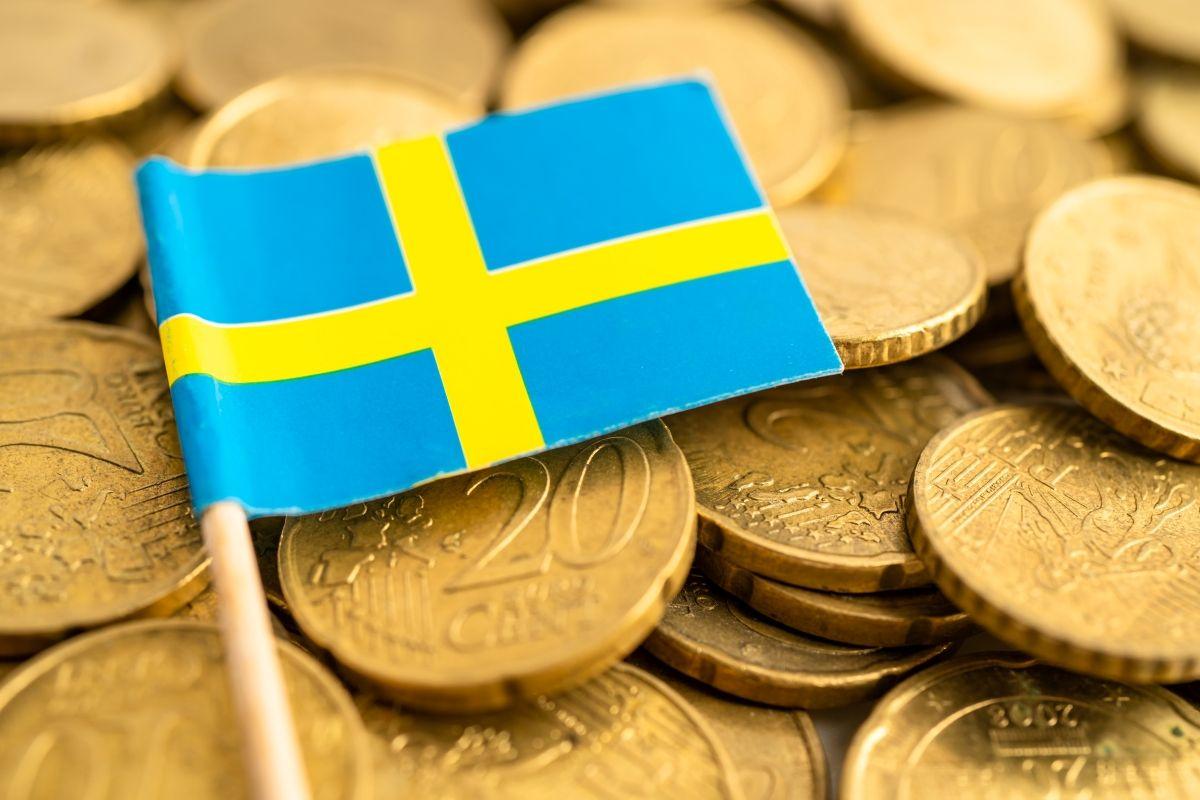
Sweden’s Euro Debate Returns As Security Risk Rises
Sweden’s euro debate resurfaced in mid-February 2026 after the government backed a euro membership inquiry into joining the single currency. The shift matters to markets because Swedish krona volatility has been high for a Group of Ten currency, raising hedging costs and adding noise to inflation and rate pricing.
Finance Minister Elisabeth Svantesson said the review would start only if the current center-right coalition remains in power after the September 2026 election, pushing any decision beyond the vote. Liberal Party lawmaker Cecilia Rönn, who convened the session, said Sweden is now in the North Atlantic Treaty Organization and reinforcing defenses with European Union partners, but remains outside key monetary decisions.
Trump Era Geopolitics Reframes The Currency Question
Sweden voted against adopting the euro in a 2003 referendum, when the krona’s role as a buffer was central to the economic case. Since 2022, Russia’s invasion of Ukraine has pushed security to the top of policy agendas, and the Trump era has added uncertainty about alliance reliability.
Trump’s Greenland push has highlighted how smaller states can be exposed when great-power rivalry intensifies. Stockholm warms to tighter European institutions in that environment, an argument now sitting alongside trade and investment benefits.
Trade Exposure And Krona Volatility Hit Earnings Forecasts
More than 60% of Sweden’s goods trade is with the European Union, versus 6.4% with the United States, leaving many listed companies effectively long euros and short kronor. When the exchange rate moves quickly, hedging programs become more expensive and quarterly guidance becomes less reliable.
Investor Christer Gardell of Stockholm-based Cevian Capital backed a switch, arguing the “small, illiquid and volatile” krona disadvantages industry. Lower currency swings can reduce earnings variance, supporting higher equity multiples in cyclical exporters.
Markets Price The Change Through FX And Rates First
If the inquiry leads to credible steps toward membership, EUR/SEK options volatility can fall and the krona can strengthen as investors price lower policy risk. If politics stalls, uncertainty raises the risk premium, especially during global risk-off sessions.
On rates, joining the euro would eventually transfer policy-rate control from the Riksbank to the European Central Bank, changing how Swedish government bonds trade versus euro-area benchmarks. A credible path can tighten spreads through stronger foreign demand; a messy process can lift term premia.
Politics And Public Opinion Are Still The Main Constraints
The Liberals, the most consistent pro-euro voice, poll around 2%, while the Sweden Democrats, around 20% in recent surveys, oppose giving up monetary sovereignty. The larger Moderate Party has endorsed an inquiry but has not committed to adoption.
A May 2025 Statistics Sweden survey showed 32% in favor of adopting the euro and 49.5% against, keeping a referendum hard to win without a prolonged shift in opinion. Officials have said no decision would be made without voter backing, making sentiment a live market input.
The Timeline Is Measured In Years
Economist Lars Calmfors, who led the government commission ahead of the 2003 vote, has estimated adoption would take at least four years, including about two years of exchange-rate stability against the euro. That timetable lowers the odds of a sudden regime change, but expectations can still move prices well before any legal switch.
Calmfors said security considerations are “very different today than earlier,” and argued that deeper European cooperation is worth more when the US is less predictable. The shift is framed as a risk decision as much as an interest-rate decision.
Base Case, Upside, And Downside Scenarios For Investors
Tredu base case is a post-election inquiry triangle: an inquiry in late 2026, a referendum debate in 2027–2028, and euro adoption no earlier than 2029. In that setup, the krona stays sensitive to global rates, while Swedish bonds trade mainly on domestic growth and housing data.
The upside scenario is an accelerated shift. Triggers include cross-party backing after September 2026, polling moving toward 40%–45% support, and a decision to start the exchange-rate stability phase by 2027. That outcome can lift the krona, reduce FX hedging costs, and tighten credit spreads for exporters and banks.
The downside scenario is political fragmentation or renewed European stress that keeps investors demanding a premium for Swedish assets. Triggers include coalition instability that delays the inquiry, a larger anti-euro mandate, or a sharp global risk-off move that pushes EUR/SEK higher, lifting volatility and term premia.
Bottom line:
Sweden’s renewed euro discussion is being driven by security risk and currency volatility, not just traditional trade math. Markets will trade the krona and Swedish rates on whether the inquiry turns into a credible timeline or stalls after the September 2026 election.