Trump India Tariff Deal Cuts To 18% As Oil Shift Lifts Rupee

By Tredu.com • 2/3/2026
Tredu
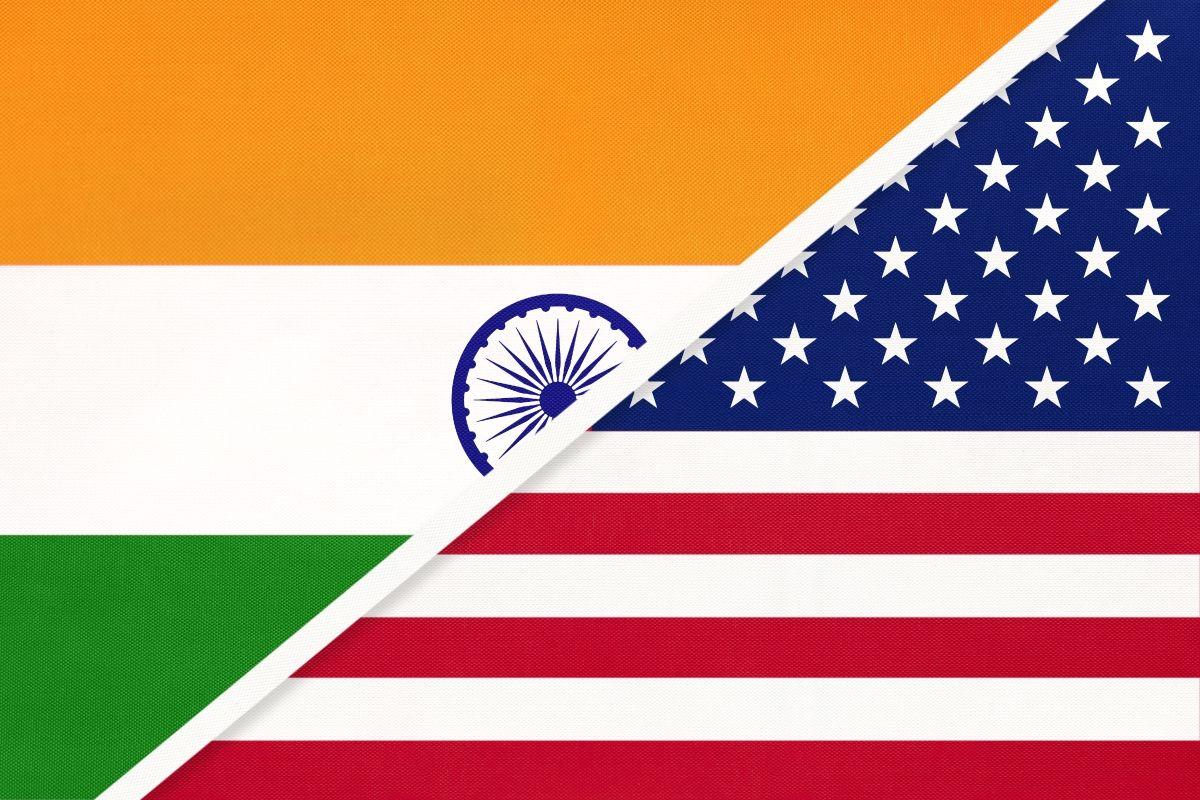
U.S. President Donald Trump said on February 2, 2026 that Washington and New Delhi had reached a trade deal that lowers duties on Indian goods to 18% and ties the change to a pledge that India will stop buying Russian oil. The announcement lifted U.S.-listed Indian stocks and firmed the rupee, while pushing traders to reprice how sanctions-linked crude flows could shift over the next 30–60 days.
Tariffs Drop To 18% After A Separate 25% Duty Is Removed
The deal cuts the U.S. country-specific tariff on India to 18% from 25% and removes an additional 25% punitive levy that had been stacked on top of the base rate. In practical terms, the package takes the effective burden from roughly 50% down to 18% for many Indian exports, a material change for companies that rely on U.S. demand in 2026.
The tariff step matters for markets because it changes earnings visibility for exporters and resets the near-term path for the current account and capital flows. A 32 percentage point swing in border costs can quickly shift order books, pricing negotiations, and inventory plans for the March and June quarters.
Oil Pledge Targets Russian Barrels, With U.S. And Venezuela Mentioned
Trump said India would halt Russian oil purchases and buy more crude from the United States and potentially Venezuela. India is the world’s third-largest oil importer and covers around 90% of its needs through imports, so changes in sourcing can affect both refinery margins and the rupee through the fuel import bill.
Recent Russian flows had already been easing. Indian imports from Russia were about 1.2 million barrels per day in January, with projections pointing to roughly 1.0 million barrels per day in February and 800,000 barrels per day in March. A faster cut would tighten the market for discounted barrels, potentially widening spreads between sanctioned and non-sanctioned grades and shifting tanker routes into the Atlantic Basin.
Equity Channel: Indian ADRs Rally As Export Drag Eases
U.S.-listed shares of major Indian companies rose on the day, reflecting relief that tariff pressure may ease for technology and services exporters. Infosys closed up 4.3%, Wipro gained 6.8%, and HDFC Bank rose 4.4%, while the iShares MSCI India exchange-traded fund rallied 3%.
For U.S. equities, the same headline lifted risk appetite through a trade-resolution channel. Lower tariffs reduce one source of uncertainty for supply chains and input prices, and the market treated the agreement as incremental support for global growth in early 2026.
Foreign Exchange And Rates: Rupee Strength Meets An Inflation Constraint
The rupee tends to benefit when tariff overhangs fade because exporters regain pricing power and portfolio flows stabilize. The deal also puts India’s tariff regime closer to other large Asian exporters, with one economist describing it as broadly in line with peers that trade in a 15% to 19% band, a range that keeps the focus on competitiveness rather than penalty pricing.
The constraint is energy. Replacing discounted Russian crude with more expensive grades can lift India’s delivered cost, pushing inflation higher and limiting how far bond yields can fall even if export demand improves. If crude sourcing shifts quickly in February and March, the fuel component can offset some of the currency benefit from better trade access.
Implementation Still Needs Dates, Deadlines, And Enforcement
The announcement provided few operational details, including when the 18% rate begins, how quickly Russian purchases must stop, and which non-tariff barriers are cut. Trump also said India would move to reduce tariffs and non-tariff barriers against the United States to zero and would “buy American” at a much higher level, including more than $500 billion of U.S. energy, coal, technology, agriculture, and other products.
The gap between headline and execution is a market variable in 2026 because reimposition risk drives volatility. A quick publication of the new tariff schedule would calm pricing in Indian equities and the rupee, while delays would keep hedging demand elevated in FX options and India-linked equity volatility.
Sector Winners And Losers: Exporters Gain, Refiners Face A New Input Mix
Indian exporters with large U.S. exposure, including IT services, apparel, and specialty manufacturing, stand to gain if the 18% rate is applied uniformly and quickly. For U.S. producers, the deal could lift incremental demand for energy cargoes and industrial inputs if procurement commitments are met, supporting energy equities and parts of the agriculture complex tied to bulk exports.
For refiners, the oil shift is more complicated. Russian barrels have typically cleared at discounts, and a move toward U.S. and Venezuelan supply can change refinery yields, freight costs, and product cracks. If India pays a higher delivered price to replace Russian supply, the rupee benefit from export relief could be partly absorbed by a larger fuel import bill.
Base Case: Tariff Relief Takes Hold, Oil Adjustment Stays Gradual
Base case: the U.S. applies the 18% rate within weeks, the extra 25% duty remains removed, and India continues a step-down in Russian imports that reaches around 800,000 barrels per day by March. Under this path, the rupee lifts modestly, India-linked equities outperform regional peers, and global oil benchmarks see limited impact because volumes are re-routed rather than removed.
Tredu will track three dates that can move pricing: the formal start of the 18% rate, any published deadline tied to Russian purchases, and February to March import data that confirms the sourcing change.
Upside Scenario: A Broader Market-Access Deal Lowers Volatility
Upside scenario: India follows through on deeper barrier cuts, U.S. exporters see higher orders in 2026, and the tariff deal becomes a platform for a wider agreement that reduces uncertainty for supply chains. A trigger would be clear implementation language plus early procurement announcements tied to energy and technology, supporting Indian stocks, tightening credit spreads for India-exposed issuers, and reducing USD/INR volatility.
Downside Scenario: Compliance Disputes Bring Back Tariff Risk
Downside scenario: timelines slip, enforcement disputes emerge, or Russian oil purchases do not fall fast enough, prompting Washington to threaten a return toward the prior 50% burden. A trigger would be a public warning that the removed 25% duty could be reinstated, which would pressure the rupee, reverse the equity relief rally, and lift oil-market volatility as traders reprice the probability of abrupt sourcing changes.
Bottom line:
The U.S.-India deal links an 18% tariff rate to a shift away from Russian oil, lifting the rupee and India-linked equities while forcing a re-think of crude trade routes. Market direction now depends on implementation dates and whether oil sourcing changes raise India’s import costs enough to revive inflation pressure.
Other News

The Role of Intelligent Forex Trading Systems in Optimizing Algorithmic Trading Performance
By Tredu.com · 5/20/2026

How Machine Learning Forex Trading Bot Enhances Predictive Accuracy in Forex Markets
By Tredu.com · 5/20/2026

FinancialMarkets.media granted the Official Google Partner certification
By Tredu.com · 5/20/2026