US-Iran War Live Updates Lift Oil, Rates As Hormuz Risk Grows

By Tredu.com • 3/3/2026
Tredu
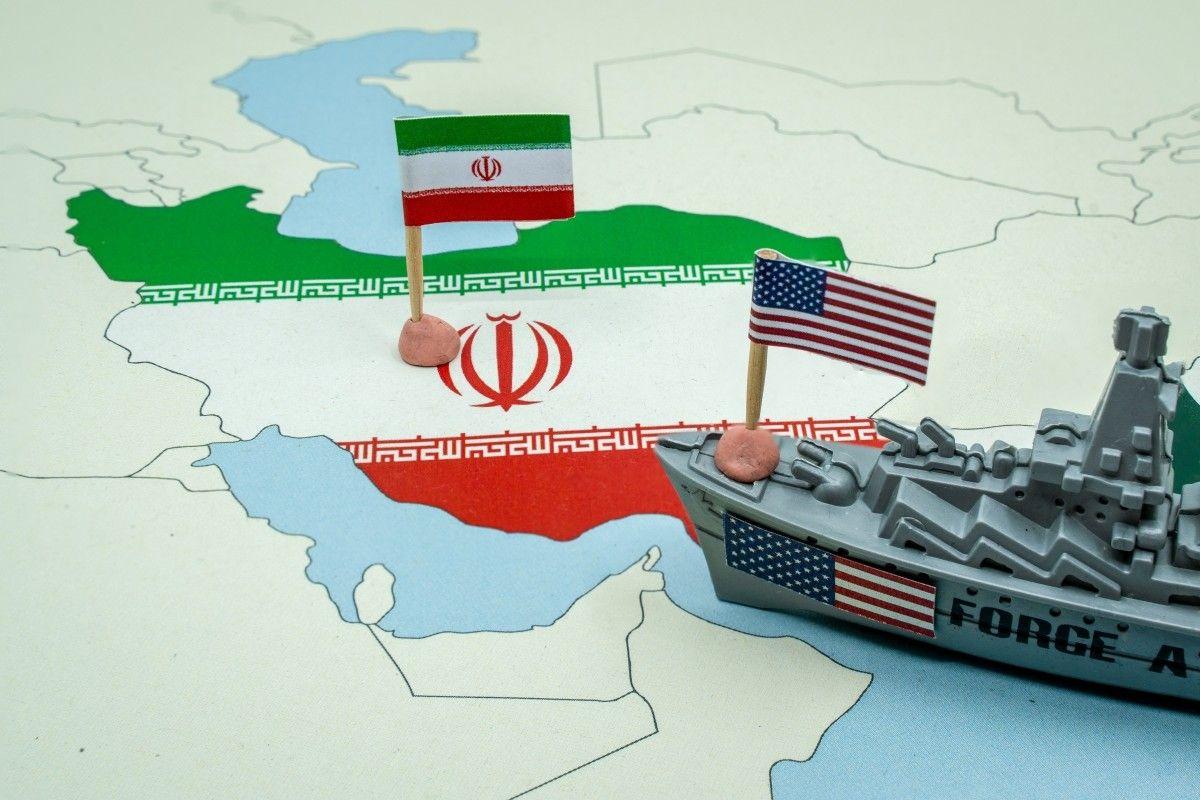
Oil And Rates Reprice As Hormuz Transit Tightens
Early Tuesday, March 3, US-Iran war live updates were dominated by supply risk, not demand data. Brent crude at $80.89 a barrel rose $3.15 by 07:45 GMT, while U.S. West Texas Intermediate climbed to $73.78. Those levels marked a third straight day of gains and kept risk assets trading around a higher energy floor.
The immediate mechanism is shipping. With the Strait of Hormuz effectively closed in market pricing, even partial delays lift freight, raise prompt crude differentials, and push rates higher through inflation expectations. Roughly 20% of global oil and liquefied natural gas typically transits the waterway, making its operability a first-order input into global inflation math.
Conflict Expansion Raises The Probability Of Prolonged Disruption
The conflict widened on Monday, March 2, with Israel expanding attacks into Lebanon and Iran striking energy infrastructure in Gulf countries while also targeting tankers near Hormuz. The pattern increases the likelihood that disruption is not a one-day spike, but a multi-session repricing across commodities and volatility.
Political duration risk is now central. Israel’s prime minister said the war may take “some time” but not years, a timeline that still leaves room for weeks of pressure on logistics and insurance, the two market levers that can tighten supply without knocking out production.
Insurance Withdrawal Turns Perception Into A Real Cost
A major accelerant has been insurance coverage. Insurers have cancelled cover for some vessels operating in the region, prompting tankers and container ships to avoid Hormuz. The result is not only fewer transits, but also a rapid rise in transaction costs for any ship that does move.
War risk premiums up to 1% of ship value over the past 48 hours, versus about 0.2% the week before, add hundreds of thousands of dollars per voyage for large vessels. That cost pushes up delivered crude prices for refiners, then feeds into pump prices and freight bills within days.
Refined Fuels Signal Tightness Beyond Crude
Refined products moved sharply as markets priced the Middle East as both a crude source and a fuels supplier. U.S. ultra-low-sulfur diesel futures rose to $3.1404 per gallon, up 8.3%, after hitting a two-year high in the prior session. U.S. gasoline futures traded around $2.4620 per gallon, up 3.8%, while European gasoil jumped to $967.75 a metric ton, up 9.2% after an 18% surge the day before.
A supply-side shock is now visible in the processing chain. Saudi Arabia shut its biggest domestic oil refinery after a drone strike, adding a concrete outage channel that can tighten product balances even if upstream output remains stable.
Equity Rotation Favors Energy, Pressures Transport And Cyclicals
Equities respond through margin exposure. Higher crude supports integrated producers and some oil services, while airlines, shipping, and chemicals face immediate cost pressure. If jet fuel remains elevated for more than 10 trading sessions, airlines typically reprice guidance risk quickly, especially where hedging programs are limited.
Credit markets can reprice in parallel. Higher fuel and insurance costs raise working-capital needs for transport operators, and a wider gap between investment-grade and high-yield funding can widen spreads for firms that must refinance in 2026.
Rates Move Through Inflation Expectations, Not Growth Optimism
Rates have a two-way impulse. Higher energy raises near-term inflation prints, which can keep front-end yields firm, while higher geopolitical risk can still pull long-end yields lower if markets price weaker demand. The net effect tends to be higher volatility in curves, particularly when oil is moving 3%–7% per session.
In Europe, the policy link is explicit. The European Central Bank’s chief economist warned that a prolonged war could cause a substantial spike in euro zone inflation and reduce growth. An ECB inflation sensitivity analysis has previously estimated that a permanent oil-price shock of this magnitude could lift inflation by about 0.5 percentage point and lower growth by about 0.1 percentage point, a template investors use to stress-rate paths into mid-2026.
Macro Spillovers Depend On Duration And Targeting
The key market fork is whether disruption remains concentrated in shipping and insurance or expands to additional energy infrastructure. If Iran targets more facilities, outages can be longer-lived than transient tanker delays, increasing the probability of a sustained re-rating in the oil curve and higher implied volatility.
At the same time, any stabilization in transits can compress risk premia quickly. A resumption of normal tanker movement typically narrows time spreads first, then pulls down prompt prices, then eases pressure on rates and cyclicals.
Base Case, Upside, Downside With Triggers
Base case: crude holds elevated for several days, with Brent staying near the $78–$85 range as escorts, routing changes, and partial insurance capacity keep some traffic moving. Trigger: vessel transits resume in measurable volume and there are no additional confirmed refinery shutdowns after the Saudi outage.
Upside scenario: disruption persists beyond a week, insurers keep limits tight, and further strikes hit regional energy assets, pushing Brent back toward Monday’s $82.37 intraday peak and extending into the high $80s if products remain constrained. Trigger: additional infrastructure hits and continued avoidance of Hormuz by major tanker operators.
Downside scenario: tensions ease enough to restore shipping confidence and insurance availability, pulling war premia back toward late-February levels and allowing crude to retrace. Trigger: a sustained decline in attacks on tankers and energy sites over 48–72 hours, paired with a visible reduction in anchored vessels near the strait.
Bottom line:
Oil and rates are moving together because shipping and insurance are tightening supply conditions faster than production can respond. The next inflection depends on whether Hormuz transit normalizes, or whether infrastructure strikes extend the disruption into mid-March.

How to Trade Like a Pro
Unlock the secrets of professional trading with our comprehensive guide.