Azerbaijan Vows Response After Iranian Drone Strike As Tanker Hit

By Tredu.com • 3/5/2026
Tredu
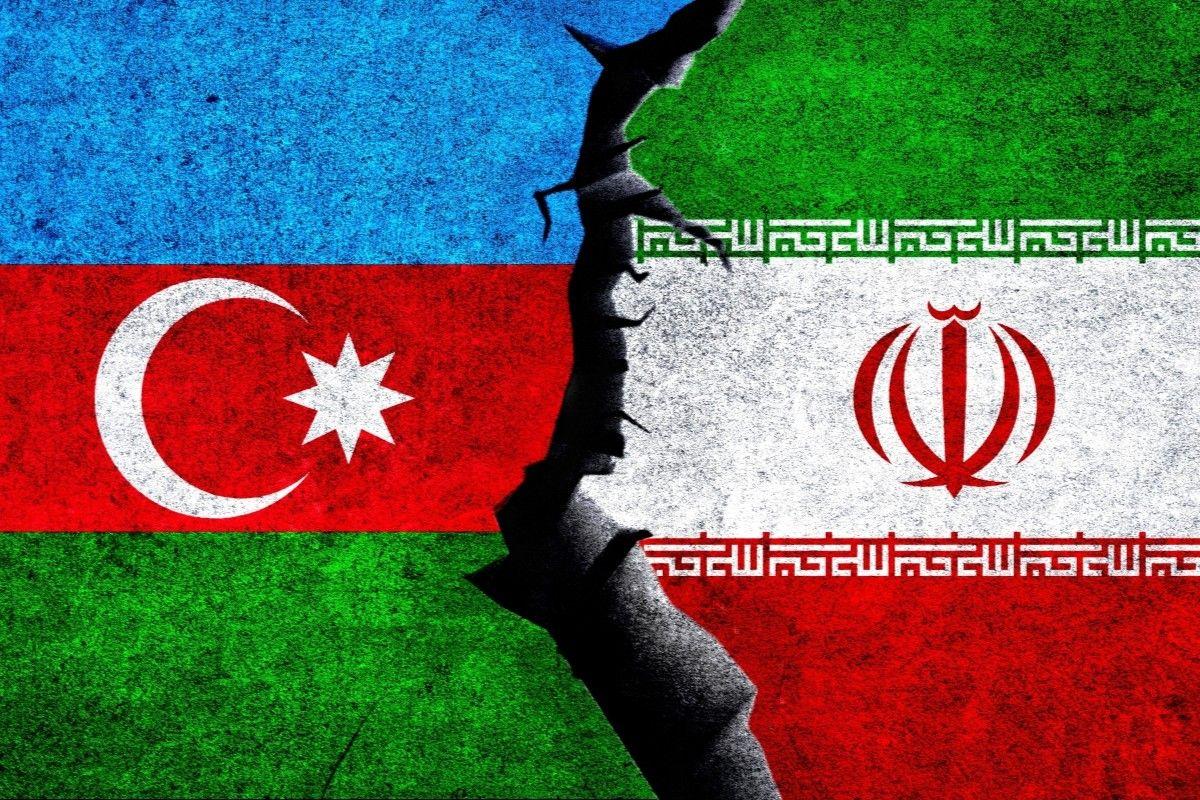
Azerbaijan Promises Retaliation After Drone Strike In Nakhchivan
Azerbaijan said it would respond after drones believed to have originated from Iran struck the Nakhchivan exclave, injuring civilians and damaging infrastructure. The incident marks one of the first direct spillovers of the widening Iran conflict into the South Caucasus, raising concerns about a broader regional escalation.
Two drones crossed into Azerbaijani territory early on March 5, with one hitting the terminal area of Nakhchivan International Airport and another landing near a village school in the Shakarabad area. The explosions injured civilians and caused visible structural damage, according to Azerbaijani officials.
The Azerbaijani defense ministry said the attacks would not remain unanswered and that authorities were preparing retaliatory measures to protect national sovereignty and civilian infrastructure.
Baku Demands Explanation From Tehran
Following the strike, Azerbaijan summoned Iran’s ambassador and delivered a formal protest note demanding an explanation and steps to prevent further incidents. Officials in Baku said the drone attack represented a violation of Azerbaijani territorial integrity and warned that further provocations could trigger military countermeasures.
Iran denied responsibility for the attack. Deputy Foreign Minister Kazem Gharibabadi said Tehran does not target neighboring countries and called for investigations into the incident.
The strike nevertheless highlights the fragile state of relations between the two countries. Azerbaijan has strengthened defense and energy ties with Israel and Turkey in recent years, developments that have fueled tension with Iran.
Drone Strike Hits Strategic Border Region
The location of the attack carries strategic implications.
Nakhchivan is an Azerbaijani exclave separated from the rest of the country by Armenia and bordering Iran and Turkey. The region plays an important logistical role in regional trade routes and energy transit corridors connecting the Caspian basin to global markets.
Damage to the airport and nearby civilian areas underscores the growing reach of the conflict as drone warfare expands across multiple theaters.
Regional officials said they are analyzing the wreckage of the drones to determine their origin and technology. Video footage circulating online showed smoke rising near the airport complex shortly after the explosion.
Iran Says Missile Hit U.S. Tanker In Gulf
At the same time as the Azerbaijan incident, Iran said it had struck a U.S. oil tanker in the Persian Gulf with a missile, escalating tensions in global shipping lanes.
The reported attack comes amid increasing military activity around the Strait of Hormuz, a critical maritime route through which about one-fifth of the world’s oil shipments typically pass.
Iranian officials framed the strike as retaliation linked to the wider conflict involving U.S. and Israeli operations against Iranian targets.
If confirmed, the tanker attack would represent another escalation in the maritime dimension of the war, which has already seen multiple vessels damaged and shipping companies reconsider routes through the Gulf.
Energy And Shipping Markets Face Rising Risk
Financial markets closely track incidents around the Strait of Hormuz because even small disruptions can trigger sharp movements in energy prices.
The waterway is one of the most important chokepoints in global energy trade. Any threat to tanker traffic can push crude oil prices higher as traders price in supply risk and higher insurance costs for vessels operating in the region.
War-risk premiums for tankers typically surge during geopolitical crises. Higher insurance costs and reduced shipping capacity can tighten oil supply chains even if production levels remain stable.
Energy-importing economies in Asia and Europe are particularly sensitive to such disruptions, as higher crude prices feed directly into inflation and transportation costs.
Scenarios For Markets And Regional Stability
The base case scenario assumes the Azerbaijan drone strike remains an isolated cross-border incident and does not trigger immediate military retaliation. Under that outcome, the conflict continues mainly in the Middle East, and energy markets remain volatile but functional.
An upside scenario would involve diplomatic intervention to prevent further incidents involving neighboring countries such as Azerbaijan. Stabilization of shipping routes and de-escalation of drone activity could help reduce the geopolitical risk premium embedded in oil prices.
The downside scenario involves further attacks spreading beyond the Gulf and Levant. If Azerbaijan launches retaliation or additional strikes hit shipping infrastructure, the conflict could expand geographically, increasing volatility across commodities, currencies and global equity markets.
War Expands Across Multiple Fronts
The latest developments underline how rapidly the Iran conflict is spreading across multiple regions. Drone and missile attacks have already reached several Middle Eastern states and commercial shipping routes, while military strikes continue across Iran, Israel and Lebanon.
The appearance of strikes in the Caucasus introduces a new front that could complicate diplomatic efforts and widen the circle of countries affected by the crisis.
Bottom line:
The drone strike in Azerbaijan and the reported tanker attack in the Gulf highlight how the Iran conflict is spreading geographically and into global energy supply routes. Markets are increasingly focused on whether the crisis disrupts oil flows through the Strait of Hormuz.