The importance of monitoring tools in automated forex performance

By Tredu.com • 4/9/2026
Tredu
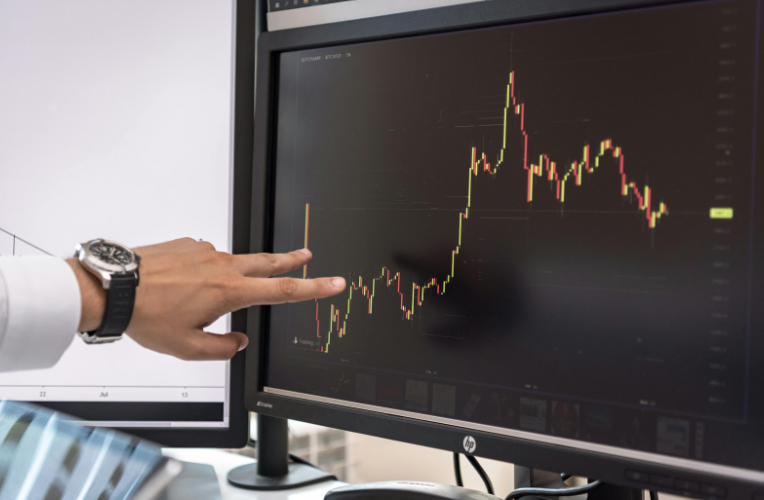
Automated forex robots sound great on paper; fast, efficient and you barely have to lift a finger. But if you think you can just switch one on and forget about it, you’re asking for trouble. Even the smartest algorithm can run off course if you’re not paying attention. If you want your automated strategies to actually deliver, especially if you’re trading in Canada and chasing the best platform deals, you need to keep an eye on things. Here’s why monitoring your robots isn’t just helpful, it’s crucial.
Automation has totally changed how people approach forex trading. Gone are the days of staring at charts for hours. Now, you can let an algorithm do the hard work; scanning the markets, executing trades and managing strategies 24/7. For busy people or folks just starting out, forex robots can seem like the perfect shortcut.
Still, you can’t just turn them on and walk away. Markets don’t sit still. Prices swing, volatility jumps out of nowhere and you’re never far from a technical hiccup. That’s where monitoring tools come in. They’re not just some “nice-to-have” add-on; they’re a lifeline. These tools help you spot problems early, tweak your strategies and stop small issues from snowballing into big, expensive ones.
The boom in automated forex trading
Over the past decade, Forex automation has exploded. Trading robots, sometimes called expert advisors or algorithmic bots, are everywhere now, used by newbies and pros alike. You program them with a strategy, and they analyze data, spot patterns and place trades faster than any human could dream of.
There’s a lot to like: Robots don’t get tired, they don’t panic and they don’t second-guess their decisions. They run all day, every day. They cut out emotional trading. They jump on opportunities in a flash. And they can monitor more currency pairs at once than you ever could on your own.
No wonder so many Canadian traders are drawn to automation, especially with platforms offering special bonuses, lower spreads or discounts on trading tools right now. But don’t get lulled into a false sense of security. Automation isn’t flawless. It’s risky to assume your robot will always do the right thing.
Early detection of technical issues
Automation only works when your tech holds up. Servers, broker connections and trading platforms, they all need to play nice together. But technology throws curveballs. Connections drop. The VPS goes down. Platforms freeze or bug out, and suddenly your trading robot is making weird moves; missing trades, doubling up by accident or just not closing out positions at all.
That’s where setting up a forex robot monitoring system comes in. These tools are on your lookout, catching these technical hiccups. If something’s off, you get a ping; email, push notification or text, whatever works for you. That kind of heads-up matters, especially if you’re running systems overnight or trading while you’re busy with life on the other side of the world.
Instead of waking up to a mess you didn’t see coming, you can jump in and fix things right away.
Why you need monitoring tools
Robots handle a lot of the heavy lifting, but you still need to supervise them. Think of monitoring tools like the dashboard in your car. You wouldn’t drive blind, right? The dashboard tells you if something’s wrong before it blows up. If you skip monitoring, you might miss warning signs like:
- Sudden drawdowns.
- Your strategy failing when the market turns wild.
- Connection issues between your robot and your broker.
- Market shifts that mess up your algorithm’s logic.
Monitoring tools keep you in the loop. They give you real-time feedback so you can act fast if something looks weird. Say your robot starts opening way bigger positions than it should. A good dashboard will flag that right away. You can jump in, hit pause and save yourself from a nasty loss. In automated trading, speed matters. Monitoring tools give you that split-second edge.
Why real-time tracking matters
Here’s where monitoring really shines: Real-time performance tracking. Instead of waiting until the end of the week or the end of the month to see how things went, you can watch your robot’s results as they happen.
Most dashboards lay it all out for you; total profit or loss, win rate, open trades, risk exposure and even how your robot’s done in the past. If you’re trying out a new Forex robot or taking advantage of platform discounts, real-time data tells you right away if the system is actually as good as advertised.
Sometimes a robot looks amazing during backtesting but falls apart as soon as it hits real, live markets. Monitoring tools cut through the hype and show you the truth fast.
Risk management gets easier
Managing risk? That’s probably the toughest part of trading. Robots follow their rules, but markets shift all the time. The rules don’t always fit what’s actually happening out there.
Good monitoring tools keep you in the loop about your risk levels, right as things unfold. If your drawdown’s creeping up, or you see your robot firing off more trades than usual, the system lets you know.
Some dashboards even let you tweak things remotely; max lot size, stop-loss, daily loss cap and how often your robot trades. You stay in control, even if you’re halfway across the country or working a full-time job. For Canadian traders juggling time zones and day jobs, that flexibility is a game changer.
Other News

XM Launches "Worldwide Partner Ladder – Beat Your Best" Promotion, Offering Partners Up to $40,000 in Rewards
By Tredu.com · 7/14/2026
The Role of Intelligent Forex Trading Systems in Optimizing Algorithmic Trading Performance
By Tredu.com · 5/20/2026
How Machine Learning Forex Trading Bot Enhances Predictive Accuracy in Forex Markets
By Tredu.com · 5/20/2026