Biren Surges 82% in Hong Kong Debut, Lighting Up 2026 IPOs

By Tredu.com • 1/2/2026
Tredu
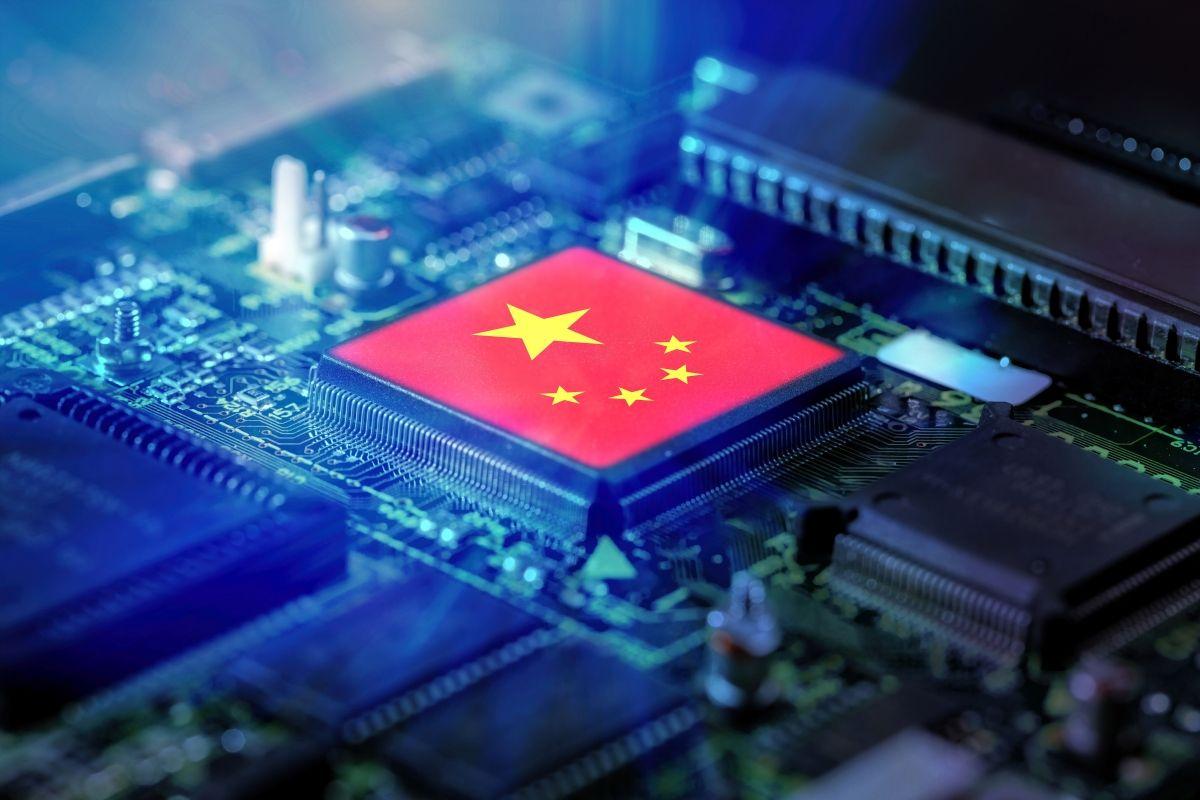
Biren’s debut pop tests demand for China AI chip listings
Shares of Shanghai Biren Technology vaulted in their Hong Kong debut on Friday, Jan. 2, 2026, as the first major IPO of the year delivered a sharp opening surge and quickly became a bellwether for appetite in China’s AI chip sector. The stock opened at HK$35.70, up 82.1% from its offer price of HK$19.60, and traded as high as HK$42.88 before ending the session at HK$34.46, a 76% gain on the day. The move was lighting up screens across the market because it immediately reset expectations for how aggressively investors might chase 2026 listings tied to artificial intelligence hardware.
The debut followed a HK$5.58 billion fundraising (about $717 million) from the sale of 284.8 million H shares priced at the top of the marketed range. Demand metrics were extreme even by recent Hong Kong standards: institutional orders were nearly 26 times the shares available, while the retail tranche was oversubscribed roughly 2,348 times. At the offer price, Biren’s market capitalisation was about HK$46.9 billion, based on 2.396 billion shares outstanding; at Friday’s close, Tredu estimates the equity value at roughly HK$83 billion.
Pricing strength puts the IPO market’s risk gauge back on tech
Biren’s price jump feeds directly into the Hong Kong IPO pipeline 2026 because it raises the reference point for valuation and allocations. A large first-day gain can pull more retail participation into upcoming deals, but it also increases the odds of profit-taking once early holders look to lock in gains, especially after a stock has already traded near HK$43 intraday. For brokers, a hot new listing typically boosts turnover, margin lending demand, and derivatives hedging as investors rotate between cash shares and options.
The rally also acts as a sorting mechanism inside the AI theme. Strong IPO performance tends to compress the risk premium for similarly positioned issuers, which can encourage more filings and faster timetables. In 2025, Hong Kong rebuilt its equity-raising momentum, and exchange figures showed IPO proceeds of roughly HK$275 billion from just over 100 new listings. A large technology debut at the start of January adds momentum for more AI chip listings and can keep syndicate desks busy in the first quarter.
What Biren sells, and why export controls still dominate the risk list
Biren was founded in 2019 and designs general-purpose graphics processing units and intelligent computing systems aimed at artificial intelligence and high-performance computing workloads. The company drew attention in 2022 with its BR100 chip, promoted as a domestic rival to advanced processors from Nvidia, at a moment when data-centre buyers in China were searching for alternatives. Its co-founders include Zhang Wen, a former president at SenseTime, and Jiao Guofang, who previously worked at Qualcomm and Huawei.
The central fundamental risk remains GPU export controls risk. Biren has flagged exposure to U.S. restrictions after being added to Washington’s Entity List in October 2023, a designation that can limit access to certain technologies and complicate supply-chain planning. For investors, this creates a clear earnings pathway problem: even if demand is strong, product road maps and manufacturing choices can be constrained, and research spending can stay elevated longer than typical for a newly listed hardware company.
Proceeds focus on R&D as investors price scarcity and policy support
Biren has said it will allocate most of the IPO proceeds to research and development and to commercialisation, a use-of-funds profile that markets typically reward only when the growth runway looks long and the competitive moat appears defensible. Cornerstone investors in the deal included 3W Fund, Qiming Venture Partners, and Ping An Life Insurance, adding institutional signalling to what was already a retail-heavy surge.
Kenny Ng, a strategist at China Everbright Securities International, said Biren has “scarcity value” and “high market attention,” a view that fits the first-day tape: Hong Kong has had few pure-play GPU names, while the city’s listing regime has increasingly catered to tech companies that want deep liquidity and global visibility. That scarcity can support valuation in the near term, but it also raises the bar for execution once lockups expire and quarterly disclosures begin to quantify customer concentration, backlog, and cash burn.
Market impact spreads from Hang Seng Tech to global chip valuation comps
The strongest direct market transmission is via sentiment. A blockbuster debut can lift the Hang Seng Tech complex by reinforcing a narrative that capital is willing to fund China’s push for semiconductor self-sufficiency, even as the broader economy wrestles with uneven domestic demand. The second transmission runs through sector rotation: a new AI hardware winner can attract incremental flows at the expense of mature internet names, shifting index leadership and options positioning.
There is also a cross-border valuation angle. If Hong Kong investors pay up for China GPU exposure, it can tighten relative valuation discounts versus onshore semiconductor names and influence allocation decisions for regional funds that benchmark China tech across venues. Conversely, any rapid fade from the open near HK$35.70 to the close at HK$34.46 could be read as an early sign that fast money is willing to sell strength, which would matter for how upcoming deals are priced and how brokers manage inventory risk.
Base case, upside trigger, downside trigger for 2026 trading
The base case is that Biren’s shares consolidate after the debut surge, with gains supported by limited near-term supply and continued enthusiasm for AI hardware. Under this path, brokers benefit from higher turnover, while the broader tech market gets a tailwind through improved risk appetite for new listings.
The upside trigger is a steady stream of additional Hong Kong AI and semiconductor offerings that price well and trade firmly, keeping the new-issue market open and supporting a higher multiple for scarce GPU exposure. The downside trigger is a renewed tightening in export controls or supply-chain constraints that raises development cost and delays product timelines, a condition that can quickly compress valuation for loss-making hardware firms, especially if the IPO premium has already run ahead of fundamentals.
What to watch next
Watch whether Biren holds above key reference levels, including the HK$19.60 offer price and the HK$35.70 opening print, because those marks often anchor positioning in the first month of trading. Track daily turnover and margin financing, since broker balance sheets and retail leverage can amplify both rallies and pullbacks. Monitor fresh filing activity in Hong Kong, as a stronger pipeline can keep investor attention on listings but also compete for capital. Follow any policy changes tied to U.S. technology curbs, because export controls can alter the feasible performance of new GPUs and the pace of commercial rollouts. Finally, look for early disclosures on orders, backlog, and cash usage, since the gap between growth spending and monetisation will decide whether today’s scarcity premium persists.
Other News
The Role of Intelligent Forex Trading Systems in Optimizing Algorithmic Trading Performance
By Tredu.com · 5/20/2026
How Machine Learning Forex Trading Bot Enhances Predictive Accuracy in Forex Markets
By Tredu.com · 5/20/2026

FinancialMarkets.media granted the Official Google Partner certification
By Tredu.com · 5/20/2026