Global Indices Slide As Oil Shock And War Fears Hit Risk Assets

By Tredu.com • 3/6/2026
Tredu
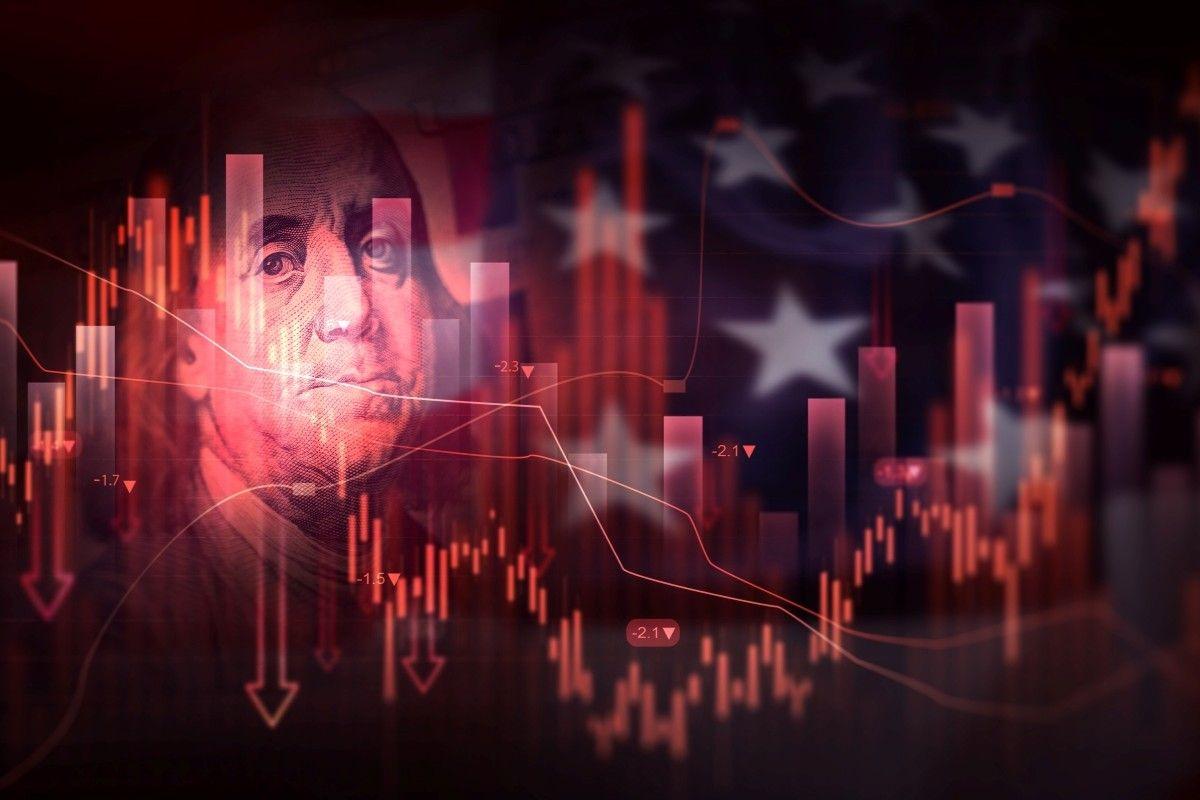
Global Indices Fall As Investors Pull Back From Risk
Global indices moved lower as investors cut exposure to equities amid rising oil prices, geopolitical tension and growing uncertainty over inflation and growth. The selloff spread across major benchmarks as traders repriced the cost of conflict, higher transport expenses and the risk that central banks may keep policy tighter for longer.
The decline matters because stock indices sit at the center of global asset allocation. When broad benchmarks fall together, the move usually reflects more than weak company news. It often signals a macro shift in how markets price earnings, rates, liquidity and recession risk. In this case, the trigger is a sharp rise in energy uncertainty at a time when valuations in several equity markets had already been stretched.
Oil Prices Are Becoming The Main Pressure Point
The most immediate transmission channel is crude. When oil rises quickly, investors start to worry about inflation before any formal economic data changes. Higher fuel costs raise the expense of shipping, aviation, manufacturing and consumer transport, which then feeds into profit margins and household spending.
That mechanism hits indices unevenly, but it drags on the broader market. Energy producers may gain from a stronger price environment, yet most listed companies are net users of energy rather than sellers of it. If oil remains elevated for several weeks, earnings expectations for transport, chemicals, retail and industrials can begin to move lower. That pressure is often enough to push headline indices down even when a few oil-linked names rise.
Technology And Cyclical Shares Lead The Drop
Growth stocks and cyclical sectors tend to absorb the largest part of a broad risk-off move. Technology shares are vulnerable because they often trade on long-duration expectations, which means higher inflation or firmer bond yields reduce the present value of future profits. Cyclical companies are hit because investors expect slower spending, weaker trade volumes and tighter financial conditions when energy costs surge.
This is why index declines can become self-reinforcing. As large-cap technology and consumer names fall, passive funds and index-linked products mechanically transmit that weakness across portfolios. The result is a broader selloff that starts in a few sectors but quickly appears in the headline market benchmarks followed by global investors.
Bonds, Currencies And Volatility Confirm The Shift
The move in indices does not happen in isolation. When equity benchmarks fall on an oil-driven geopolitical shock, bond markets, currencies and volatility instruments usually move at the same time. Inflation fears can push yields higher at the front end, while recession fears can create demand for safer sovereign debt further out the curve. That creates a more unstable rates backdrop for equities.
Foreign exchange markets also react. Energy-importing countries often face pressure on their currencies when oil rises because trade balances worsen and inflation risks increase. Meanwhile, the dollar and other defensive currencies can attract inflows as investors reduce risk. Volatility measures tend to rise as portfolio hedging picks up, making it more expensive to stay long equities into an uncertain macro backdrop.
Why Falling Indices Matter For The Broader Economy
A decline in global indices is not only a financial story. Equity weakness affects confidence, funding conditions and corporate planning. If market losses persist, companies may delay hiring, mergers or capital spending. Consumers can also become more cautious when retirement accounts and investment portfolios fall, especially in economies where household wealth is closely tied to stocks.
That is why policymakers watch falling indices closely, even if they do not respond directly to every move. A sustained market decline combined with higher oil prices creates a difficult mix. Growth slows, but inflation pressure stays alive. That combination limits how easily central banks can pivot toward rate cuts, which in turn leaves equities with less policy support than investors might otherwise expect.
Base Case Keeps Pressure On But Stops Short Of Panic
In the base case, indices remain under pressure while oil stays elevated and geopolitical risks remain unresolved, but markets avoid a full systemic break. Under that outcome, investors continue rotating into defensives such as utilities, healthcare, selected energy names and higher-quality balance sheets. Broad benchmarks may stay weak, though the decline becomes more orderly once forced selling eases.
This scenario would still leave sentiment fragile. Portfolio managers would likely keep cash levels higher than normal and demand clearer evidence of falling oil prices or policy relief before rebuilding large cyclical positions.
Upside Scenario Depends On A Fast Drop In Risk Premium
The upside scenario for equities requires a clear trigger, not just hope. Oil prices would need to stabilize or retreat, and investors would need to see that trade routes, shipping flows and regional infrastructure remain functional. If the geopolitical premium fades quickly, beaten-down indices could rebound as traders cover shorts and rotate back into technology and cyclical sectors.
A second trigger would be a calmer bond market. If yields stop rising and inflation fears cool, the discount-rate pressure on growth stocks would ease. That combination could produce a relief rally across the major indices, particularly in markets that had fallen hardest during the initial shock.
Downside Scenario Would Turn A Selloff Into A Deeper Reset
The downside scenario is a longer disruption in energy markets combined with tighter financial conditions. If oil continues climbing and companies begin warning about costs, analysts may cut earnings forecasts more aggressively. In that case, falling indices would start to reflect weaker fundamentals rather than a temporary fear trade.
That kind of reset can spill into credit spreads, initial public offerings, buyback plans and capital expenditure. Once those channels tighten together, the selloff becomes harder to reverse quickly because markets are no longer responding only to headlines, but to lower expected cash flow across multiple sectors.
Bottom line:
Falling indices are signaling that investors are repricing a tougher macro environment shaped by higher oil, geopolitical risk and uncertain rate expectations. The next move depends on whether the current shock fades into a temporary risk premium or develops into a broader hit to earnings and growth.