Brent And WTI Surge As Iran War Threatens Global Oil Supply

By Tredu.com • 3/6/2026
Tredu
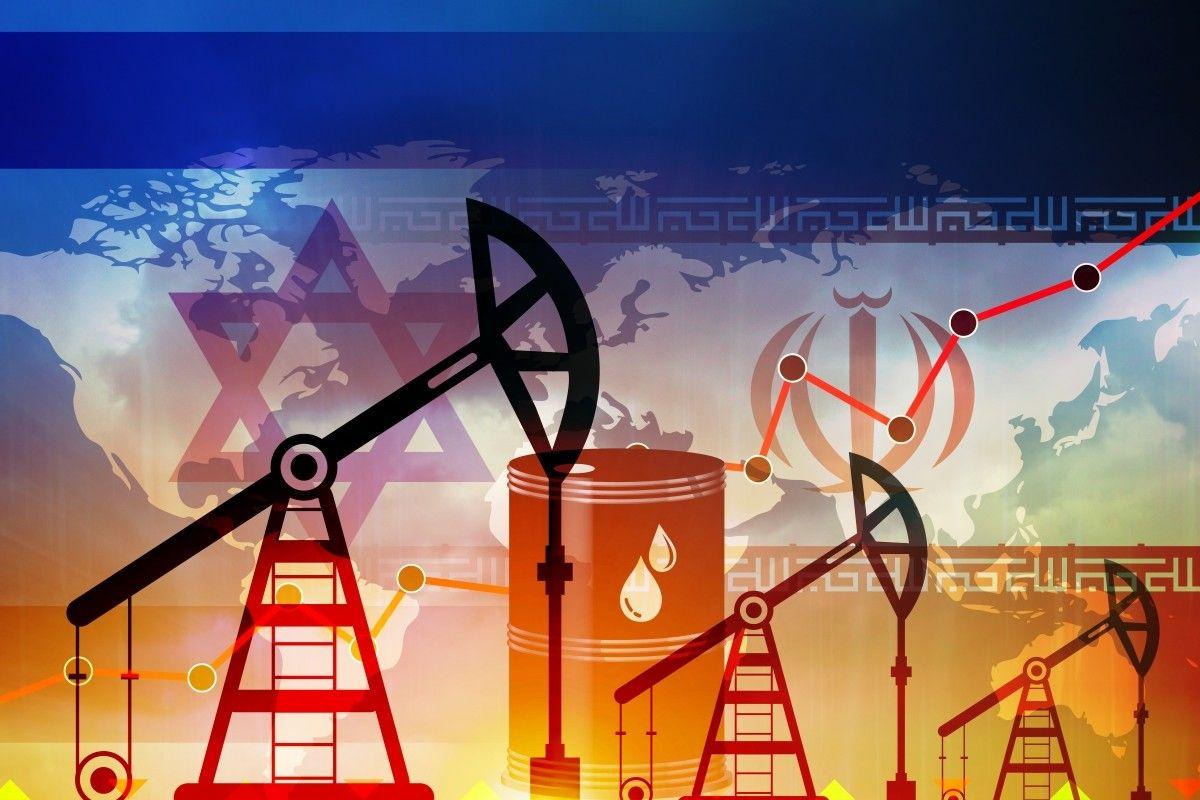
Oil Prices Climb As War Risk Tightens The Global Energy Outlook
Brent crude and West Texas Intermediate rose sharply this week as the war involving Iran and the United States forced traders to price in a much higher risk of supply disruption across the Gulf. By March 6, Brent had climbed to about $87.50 a barrel and WTI to roughly $84.77, leaving both benchmarks on track for their steepest weekly gains since Russia’s 2022 invasion of Ukraine.
The rally reflects more than a headline reaction. The conflict has disrupted traffic around the Strait of Hormuz, the route used for about one-fifth of global oil shipments, and that instantly changes how physical traders, refiners, shipping firms and hedge funds value nearby crude. Even before any lasting production loss is confirmed, futures markets tend to reprice the probability of scarcity, higher freight costs and tighter prompt supply.
Brent And WTI Reprice A New Geopolitical Premium
The latest move builds on a sharp rise that began after the initial strikes in late February. Reuters reported Brent had settled at $81.40 a barrel on March 3, up 4.7% on the day, while WTI settled at $74.56. A day later, oil settled up around 5% again as the conflict widened. By March 6, the market had moved substantially higher, showing how quickly the risk premium compounded as shipping and regional energy infrastructure came under pressure.
This matters because Brent is the main global pricing benchmark, while WTI is the key U.S. reference. When both rise together at this pace, the move sends a broader signal that the market sees a global supply shock rather than a local disruption. The price action also suggests traders are paying up for immediate barrels, not just longer-dated contracts.
Strait Of Hormuz Remains The Core Transmission Channel
The central mechanism is the Strait of Hormuz. If traffic slows, insurers lift war-risk premiums, shipowners become more selective, and refiners start looking for replacement cargoes. Those shifts can tighten the market quickly, even if producers such as Saudi Arabia and the UAE try to redirect exports or raise output elsewhere. Reuters reported on March 1 that traders and analysts were already discussing Brent moving toward $100 if the outage through the strait became prolonged.
The conflict has also hit confidence in regional production and processing. Reuters reported disruptions to energy exports through the Gulf and broader stress across regional supply chains, which means the market is not focused only on tanker flows, but also on the reliability of refineries, gas plants and export terminals connected to them.
Inflation, Bonds And Equities Are Now In The Same Trade
Higher crude prices feed directly into inflation expectations. More expensive oil tends to lift diesel, jet fuel and transport costs, and that can push central banks to keep policy tighter for longer. The result is a market chain that runs from commodities into government bond yields, then into equities and credit spreads. Reuters noted that the conflict has already forced investors to rethink rate-cut expectations as the energy shock builds.
That is why this is not only an oil story. Energy producers often benefit from a higher price deck, but airlines, chemicals, industrials and consumer sectors can face margin pressure when fuel costs rise too quickly. Import-dependent economies in Asia are especially exposed because they absorb both the oil shock and the hit to risk sentiment. The broader equity response this week has reflected that divide.
Base Case Keeps Brent Elevated But Contained
The base case for markets is that Gulf flows remain impaired but not fully shut for a prolonged period. Under that outcome, Brent and WTI can hold near current levels or grind somewhat higher, while emergency workarounds, higher exports from alternative routes and selective policy responses stop prices from breaking into a full panic phase. This would still leave oil with a materially higher geopolitical premium than it carried in February.
In that scenario, inflation fears remain alive, but recession pricing stays limited. Energy equities could outperform while transport, discretionary consumption and rate-sensitive assets stay under pressure.
Upside Scenario Depends On Supply Relief Or Policy Action
The upside scenario for broader markets, meaning lower crude and better risk sentiment, requires a clear trigger. That could come from safer tanker passage, a partial reopening of shipping routes, or official measures that add supply into the market. Reuters reported that the U.S. Treasury granted waivers allowing purchases of sanctioned Russian oil for Indian refiners, showing policymakers are already looking for ways to cushion the supply hit.
If transit conditions improve and replacement barrels keep moving, Brent could retreat from recent highs and WTI could follow, easing pressure on bonds and cyclical equities.
Downside Scenario Points To A More Severe Energy Shock
The downside case is more aggressive disruption in the Gulf. Qatar’s energy minister warned that continued shutdowns could drive oil to $150 a barrel, a level that would sharply increase the odds of a broader global growth shock. A sustained closure or severe degradation of flows through Hormuz would hit crude, LNG, shipping costs and inflation simultaneously.
That would likely widen credit spreads, strengthen the dollar, keep yields volatile and intensify the selloff in energy-importing markets. It would also turn the current oil rally from a geopolitical spike into a deeper macro event.
Bottom line:
Brent and WTI have moved sharply higher because traders now see a real risk that war in the Gulf disrupts one of the world’s most important energy corridors. The next move depends on whether shipping and regional output stabilize, or whether the conflict turns a risk premium into a lasting supply shock.