Buffett Leaves CEO With 373B Cash, Raising Wall Street Valuation Risk

By Tredu.com • 3/2/2026
Tredu
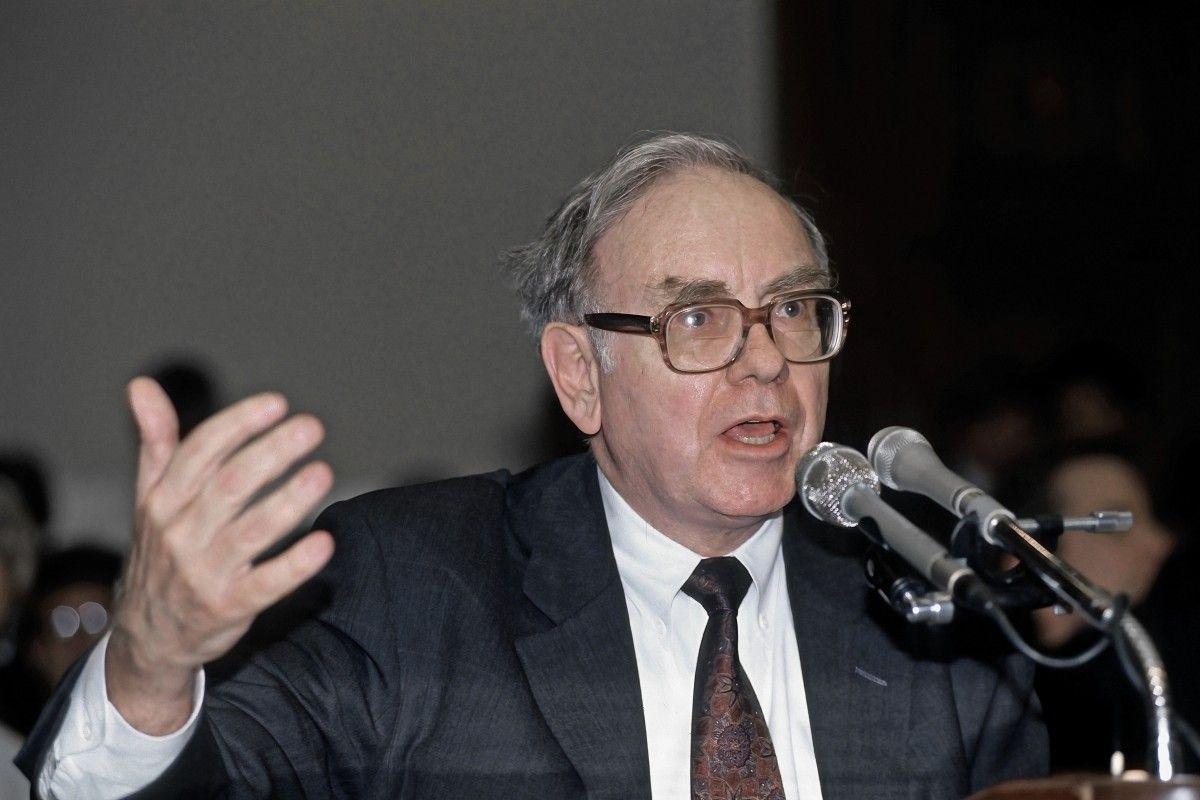
Berkshire Cash Stockpile Stands Out As Leadership Changes
Berkshire Hathaway ended 2025 with about $373.3 billion in cash, cash equivalents, and short-term U.S. Treasury holdings, a rare scale of liquidity for a $1 trillion-class conglomerate. Buffett leaves the CEO role on Dec. 31, 2025, handing leadership to Greg Abel while remaining chairman. For Wall Street, the timing matters because the balance sheet often signals where the group sees opportunity and where it sees valuation risk.
Over the 13 quarters from Oct. 1, 2022 through Dec. 31, 2025, Berkshire was a net seller of equities, totaling about $186.7 billion more in stock sales than purchases. In the fourth quarter alone, net stock sales were about $3.16 billion. That pattern, alongside operating cash generated by businesses such as insurance and the railroad, helped build the 373B cash pile, raising questions about how much investable value exists at current prices.
The Valuation Signal Behind The Cash Pile
Buffett has long pointed to the market cap to GDP ratio, often called the Buffett indicator, as a broad gauge of valuation. The long-run average of that market cap to GDP ratio has been about 87% since 1970, but widely tracked estimates moved above 221% in January 2026. Another widely watched measure, the Shiller CAPE ratio (a cyclically adjusted price to earnings metric), has been around 39–41 in recent months versus a long-run average near 17.3, reinforcing the view that U.S. equities are priced for strong outcomes.
In practical terms, Berkshire’s cash position flags a constraint, deploying tens of billions requires either lower prices, unusually large acquisitions, or both.
Earnings And Buyback Choices Add Color To The Signal
Berkshire’s fourth-quarter operating profit fell about 30% to roughly $10.2 billion, pressured by weaker insurance results, even as other units held steadier. The group went without share repurchases through 2025, extending a stretch in which management has been unwilling to buy back stock at prevailing valuations.
Most of the cash sits in short-dated Treasuries, keeping the company flexible while tying interest income to front-end rates. If policy rates ease later in 2026, the yield on the liquidity pool can decline quickly, increasing the opportunity cost of waiting.
Market Channels: Equities, Rates, Credit, FX, And Volatility
The first channel is equities. A large allocator sitting on 373B can reinforce rotation toward quality cash flows and away from valuation-sensitive growth pockets when macro conditions tighten, lifting factor dispersion across sectors. That can show up most in parts of technology and small-cap momentum when investors reassess discount rates.
Rates are the second channel. Berkshire’s demand for Treasury bills adds to front-end buying, and any shift from bills into risk assets would be felt first in money markets, especially around quarter-end. Credit spreads can react through acquisition optionality, a cash-rich buyer can tighten spreads for targets, while a prolonged wait for deals can widen spreads for leveraged sectors that rely on M&A exits.
FX effects are indirect. Risk-off equity corrections often support the U.S. dollar and weigh on higher-beta currencies, while implied volatility rises when valuations and positioning reset together.
What Greg Abel Inherits, And What Markets Will Watch
Abel inherits a portfolio worth roughly $319 billion in publicly traded equities alongside the cash stockpile, plus operating businesses spanning insurance, energy, rail, and manufacturing. Investors will watch whether Berkshire uses liquidity for bolt-on deals, a single large acquisition, or a return to buybacks if the stock corrects in 2026.
Base Case, Upside Scenario, Downside Scenario
Tredu base case assumes valuations cool through earnings growth rather than a sharp selloff, leaving Berkshire with cash still elevated into mid-2026 and deploying selectively in $5–$20 billion chunks. The trigger is stable policy guidance, easing inflation, and corporate earnings that keep the S&P 500 from de-rating.
Upside scenario for risk assets is that multiples hold because rate cuts arrive sooner and growth stays resilient, pushing valuation gauges to remain stretched without breaking. The trigger is a rapid move lower in front-end yields combined with steady margins in the largest index constituents.
Downside scenario is a 10–20% equity correction driven by higher-for-longer rates, a profit recession, or a liquidity shock that forces a repricing of duration assets. The trigger is a renewed climb in real yields, a deterioration in credit spreads, or a break in market breadth that lifts volatility and narrows risk appetite, setting up Berkshire to buy at scale after prices reset.
Bottom line:
Berkshire’s 2025 cash build and extended net stock selling highlight how hard it is to deploy large sums at today’s prices. Whether that turns into opportunity depends on rates, earnings, and the path of risk appetite into mid-2026.