Carney Beijing Trip Signals China-Canada Reset as Markets Refocus

By Tredu.com • 1/15/2026
Tredu
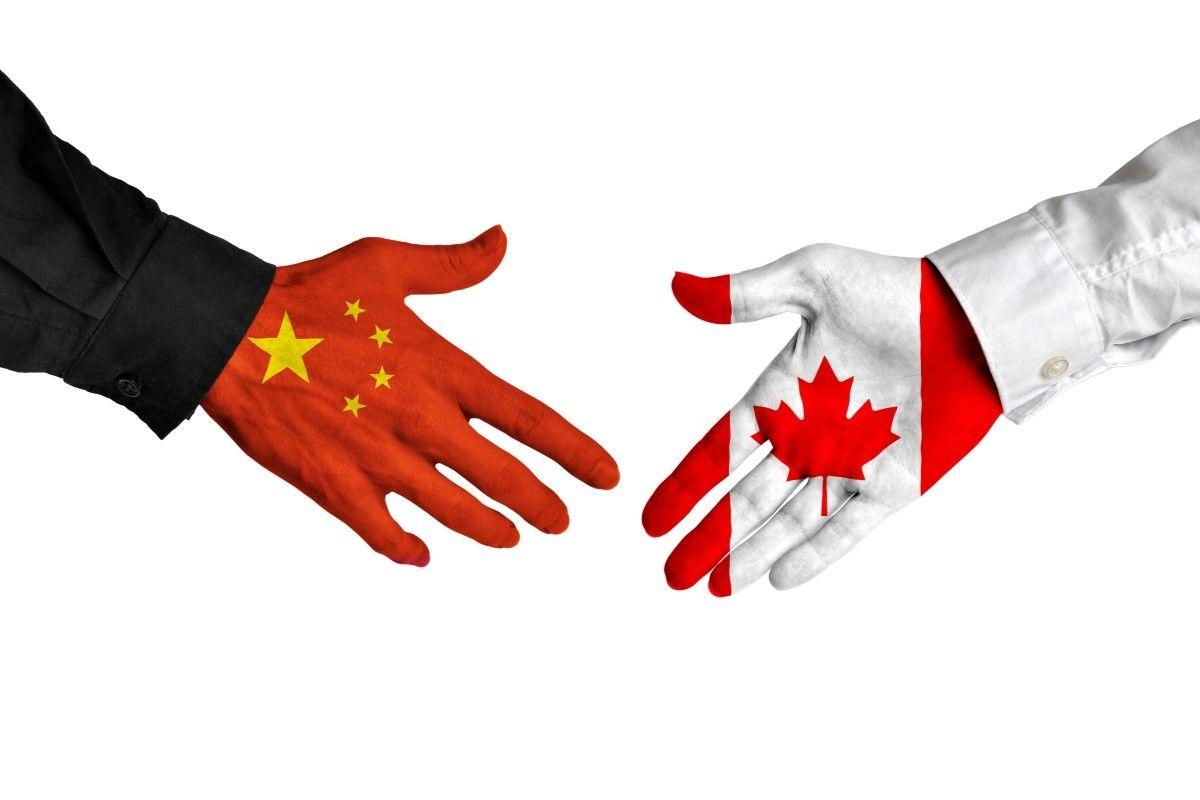
Canada’s Prime Minister Mark Carney arrived in Beijing this week for the first leader-level visit in years, as both governments try to steady ties and reopen channels for trade and investment. The timing matters for markets because Canada is searching for export alternatives while global supply chains are being reshaped by tariffs and security rules.
Beijing meetings set a new track for trade and security coordination
Carney’s Beijing trip is scheduled as a four-day visit with meetings across China’s top leadership tier, including a session with Premier Li Qiang and an expected meeting with President Xi Jinping. Canada’s Foreign Minister Anita Anand is part of the delegation, underlining that the agenda extends beyond commerce into security and diplomatic coordination.
Chinese officials have framed the visit as a pivot point to rebuild mutual trust and deepen cooperation while reducing “interference,” language that signals Beijing wants fewer policy obstacles for Chinese firms operating in Canada. Ottawa’s approach is more transactional, seeking tangible openings for Canadian exports and a path to reduce recurring trade shocks.
For markets, the immediate read-through is that a China-Canada reset reduces the probability of sudden retaliatory moves, especially in categories where Canadian producers have struggled to reroute supply quickly.
Six cooperation pacts widen the agenda beyond pure trade flows
The visit produced a set of preliminary cooperation agreements that span energy, crime prevention, culture, forestry, and food safety. The most market-sensitive piece is the energy cooperation pacts, which include a commitment to hold regular policy talks and support development in low-carbon energy technologies.
A ministerial-level energy dialogue is expected every 12 to 18 months, creating a recurring forum that can keep commercial projects moving even if politics turns noisy. In practical terms, this kind of cadence reduces stop-start risk for long-duration investments, from LNG-linked infrastructure to grid technology and industrial decarbonization.
Agriculture sits at the center because tariffs hit cash flows fast
Agriculture is a core pressure point because Canadian exporters depend on predictable market access and prices move quickly when buyers hesitate. The relationship has been strained since 2024, when Canada imposed tariffs on Chinese electric vehicles, prompting China to respond with tariffs on Canadian agricultural exports.
The result has been a persistent risk premium around farm-linked supply chains. Any improvement in dialogue can support pricing confidence for exporters and processors, even before formal tariff changes are announced, because contracting decisions for crops and shipment scheduling often need weeks of lead time.
Canada’s agriculture exports are also closely linked to rail and port volumes, which feed into earnings expectations for logistics operators and bulk-handling infrastructure.
Carney leans on business ties as he pitches Canada as “open”
Carney’s delegation met senior executives from major Chinese firms, including battery maker CATL, China National Petroleum Corp., Envision Energy, ICBC, Primavera Capital, and Alibaba. Those meetings are designed to signal that Canada is willing to do business while keeping guardrails around national security issues.
Canadian business leaders have responded positively to Carney’s background and his history of engagement with China, viewing the visit as a chance to shift the relationship from dispute management toward predictable commercial channels. Greg MacEachern, a former senior adviser in Canadian politics, has said the trip is unlikely to be symbolic only, arguing leader invitations typically come with expectations of deliverables.
Why the China-Canada reset changes the CAD risk profile
The Canadian dollar tends to move on rates, oil and broad risk sentiment, but trade uncertainty can widen the distribution of outcomes. A warmer China track can narrow CAD trade risk by giving Canada a clearer second outlet for exports, particularly if U.S. policy stays unpredictable in 2026.
Canada has historically sent around three-quarters of its exports to the United States, leaving it exposed when Washington raises tariffs or adds non-tariff restrictions. In that context, even modest incremental growth in China-facing flows can help portfolio managers justify lower hedging costs on Canadian assets.
The effect is not necessarily a straight-line CAD rally. Instead, it can reduce downside tail risk and help tighten the spread between Canada and peer commodity currencies during periods of global stress.
Energy and materials exposure is where equity trades can react first
In Canadian equities, the most direct “risk trades” sit in sectors where China demand can matter at the margin: energy producers, pipeline-linked services, industrial metals, forestry, and fertilizer. If cooperation expands into specific purchase commitments or investment approvals, the market may start pricing a higher probability of new Asian-linked cash flows, rather than assuming U.S. demand is the only engine.
On the China side, the visit provides a headline tailwind for companies that want smoother access to Canadian supply, including energy-linked firms and manufacturers that depend on stable foreign relationships. The largest impact is psychological, markets tend to reward narratives that reduce friction, even if the actual trade volumes take quarters to shift.
The downside scenario is political, not commercial
The main risk is that warmer Canada-China ties trigger political blowback elsewhere. Washington is reviewing its North American trade framework in 2026, and U.S. officials have repeatedly signaled they want tighter alignment from partners on strategic sectors. If Ottawa’s Beijing outreach is read as misalignment, the U.S. could respond with tougher trade terms, and that would quickly reprice Canadian assets.
That scenario typically hits through volatility, not fundamentals first. Canadian bond yields can rise via a risk premium channel, and the CAD can weaken if investors anticipate slower growth or new barriers on exports.
What investors will watch after the visit
The next triggers are specific, not rhetorical. Markets will look for progress on agricultural tariff relief, clarity on whether energy dialogues produce project approvals, and any changes in screening rules for cross-border investment. Investors will also watch whether the two sides set up working-level mechanisms that continue after the leader meetings conclude, because durable process reduces the probability of whiplash.
On the Canada side, the critical test is whether diversification efforts become measurable in export data over 2026, rather than remaining a diplomatic intention.
Other News

The Role of Intelligent Forex Trading Systems in Optimizing Algorithmic Trading Performance
By Tredu.com · 5/20/2026

How Machine Learning Forex Trading Bot Enhances Predictive Accuracy in Forex Markets
By Tredu.com · 5/20/2026

FinancialMarkets.media granted the Official Google Partner certification
By Tredu.com · 5/20/2026