Trump Hints Iran War End Near As Oil Shock Fears Ease

By Tredu.com • 3/10/2026
Tredu
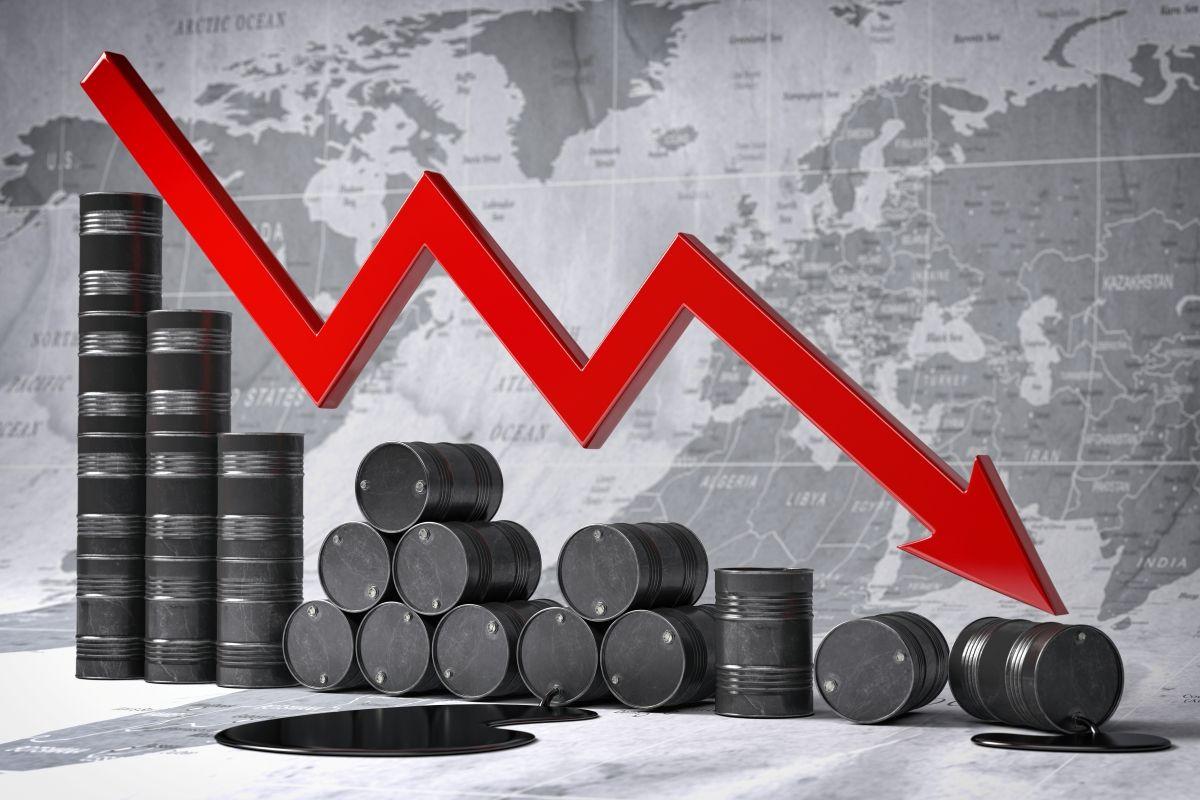
Trump Remarks Cool A Market Gripped By War And Energy Panic
President Donald Trump signaled on March 9 that the conflict with Iran could be over “soon,” a notable shift after days of harder rhetoric that had pushed investors to brace for a prolonged energy shock. The comments landed as markets were trying to price whether the war would keep disrupting crude flows and tanker traffic near the Strait of Hormuz, a corridor central to global oil supply.
That change in tone mattered immediately because oil had become the main driver of cross-asset stress. As traders heard Trump hint at a possible end, crude prices pulled back from extreme highs, bond yields eased, and equities recovered from early losses. The move did not erase geopolitical risk, but it cut the probability that the Iran war would spiral into a deeper supply shock with wider consequences for inflation and growth.
Oil Retreat Gives Markets The Relief They Needed
The strongest market reaction came in crude. Reuters reported that oil prices fell after initially surging above $100 a barrel, with the reversal helping Wall Street turn higher and reducing immediate fears of a full energy squeeze. That retreat was important because the earlier jump in Brent and U.S. crude had threatened to turn a regional conflict into a global macro event by lifting fuel, freight and industrial input costs all at once.
Oil traders had been focused on the risk that shipping through Hormuz could be blocked or severely disrupted. Trump’s latest remarks, combined with his warning to Iran not to interfere with regional energy routes, suggested Washington was trying to project both deterrence and a path toward de-escalation. That combination helped ease the sharpest part of the oil shock fears, even though physical supply conditions in the Gulf remain fragile.
Stocks Rebound As Investors Reprice The Worst-Case Scenario
Equity markets responded quickly once the tone shifted. Reuters said Wall Street reversed early losses and ended higher, while broader risk sentiment improved as traders stepped back from the view that the war would necessarily produce a lasting hit to oil supply and global demand. London stocks also rebounded on March 10 after Trump suggested the Middle East conflict could be close to ending.
The mechanism is straightforward. If crude holds lower, inflation pressure becomes less severe, central banks face less urgency to stay restrictive, and corporate earnings estimates suffer less damage from rising fuel costs. That helps explain why the market treated Trump’s remarks as more than political theater. They directly affected the discount rate, the cost backdrop for industry, and the outlook for risk assets from airlines to technology shares.
The Strait Of Hormuz Still Keeps Investors On Edge
Even with the improved tone, the core market risk has not disappeared. Trump also warned Iran against blocking the Strait of Hormuz, underlining how much the war still revolves around one of the most important chokepoints in the world economy. If oil shipments through the waterway were interrupted again, the relief rally could reverse quickly.
That keeps a floor under volatility. Markets may welcome language pointing to an end, but they still need proof that ships can move safely, insurers will keep covering voyages, and regional producers can maintain exports. In other words, fears have eased, but they have not vanished. The difference is that investors are no longer treating the worst case as the default assumption.
Why This Matters For Bonds, FX And Inflation Trades
The pullback in oil also carries implications well beyond crude futures. Lower energy prices reduce the immediate risk of another inflation spike, which can help bond markets stabilize after several sessions of war-driven repricing. Reuters said bond yields dipped and the dollar pared gains as the market adjusted to the idea that the conflict may not continue on the most disruptive path.
For foreign exchange, that matters because the dollar had been drawing safe-haven demand while oil-importing economies faced pressure. If the Iran war moves closer to an end than markets feared, that safe-haven premium can soften and broader risk appetite can improve. That is especially relevant for Asia and Europe, where higher imported energy costs would have fed directly into inflation and weaker growth.
Base Case, Upside Scenario, Downside Scenario
The base case is that Trump’s remarks mark the start of a de-escalation phase, with oil remaining elevated versus pre-war levels but no longer pricing an immediate collapse in Gulf supply. Under that outcome, stocks can keep recovering, bonds can steady, and the inflation shock priced into markets over the past week can continue to fade.
The upside scenario requires a clearer operational trigger: safer tanker movement through Hormuz, fewer threats from both sides, and evidence that producers and refiners are returning to normal flow patterns. If those conditions appear, oil could retreat further and the rebound in global risk assets could broaden beyond a short-covering move.
The downside scenario is that the language proves temporary. Trump also threatened tougher action if Iran disrupts shipments, while Tehran has indicated it will decide when the war ends. If new attacks hit shipping or infrastructure, the market could quickly abandon the relief trade and reprice another oil spike, wider credit spreads and weaker equities.
Bottom line:
Trump’s latest shift changed the market story from imminent energy panic to cautious relief. The rally in stocks and the retreat in oil show investors are willing to believe the Iran war may end sooner than feared, but only if Hormuz stays open and fresh escalation is avoided.
Other News

The Role of Intelligent Forex Trading Systems in Optimizing Algorithmic Trading Performance
By Tredu.com · 5/20/2026

How Machine Learning Forex Trading Bot Enhances Predictive Accuracy in Forex Markets
By Tredu.com · 5/20/2026

FinancialMarkets.media granted the Official Google Partner certification
By Tredu.com · 5/20/2026