China Deepens Bangladesh Push As India Relations Slide, Markets Watch

By Tredu.com • 2/10/2026
Tredu
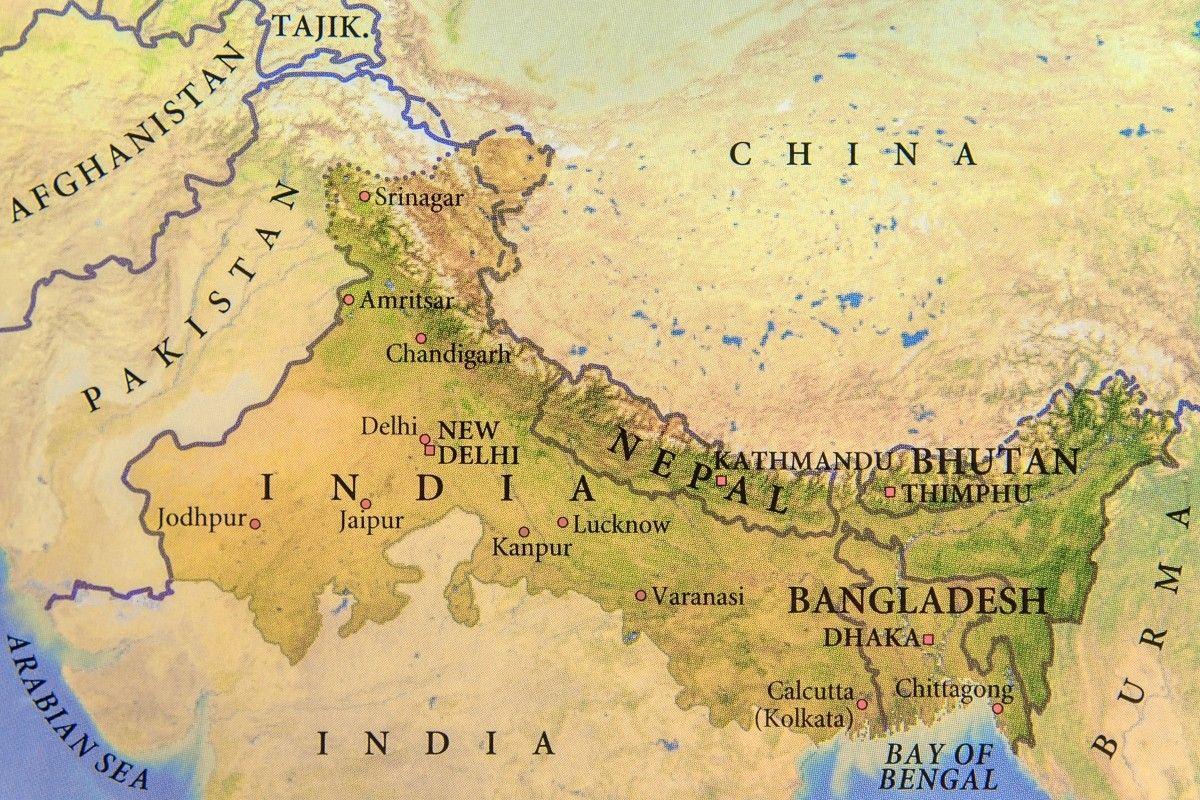
Bangladesh heads into a February 12, 2026 national election with its foreign-policy balance shifting, after Beijing intensified diplomacy and investment talks while Dhaka’s ties with New Delhi deteriorated. The direction matters to markets because Bangladesh sits on major apparel supply chains, relies on imported energy, and depends on cross-border transit and water arrangements that can affect inflation, the taka, and sovereign funding costs.
Beijing Builds Momentum In Dhaka As The Election Nears
China has increased its visible engagement in Dhaka in recent weeks, including a defense agreement to build a drone factory near Bangladesh’s border with India. Chinese envoy activity has also accelerated, with regular meetings across political parties, officials, and business groups centered on infrastructure projects worth billions of dollars and expanded cooperation.
The timing is important. The February 12 election is expected to produce a government led by parties that historically had cooler links with India than the administration of former prime minister Sheikh Hasina, who ruled from 2009 for 15 years before being pushed out in 2024. Her Awami League is banned from the vote, and she is in exile in India, a backdrop that has turned bilateral politics into a trade and security variable.
India-Bangladesh Friction Becomes A Tradable Risk Input
Relations between Dhaka and New Delhi have tightened further since late 2025. Visa restrictions have been reduced on both sides, high-level engagements have become rarer, and cultural flashpoints have spilled into economic signaling. One dispute escalated through cricket: Bangladesh retaliated against pressure in India’s domestic league by banning broadcasts scheduled for March–May, and a separate request involving World Cup venues led to Bangladesh being dropped after the governing body rejected the change.
The political rupture runs through a sharper security narrative. Bangladesh’s interim government has repeatedly sought Hasina’s extradition, including after a Dhaka court sentenced her to death late in 2025. A United Nations report estimated up to 1,400 people were killed during the 2024 uprising and thousands wounded, figures that continue to fuel anger and create a durable headwind to any quick reset.
China’s Economic Offer Scales Faster Than India’s Recent Pipeline
China has been Bangladesh’s largest trading partner for more than a decade, with annual bilateral trade around $18 billion and imports of Chinese goods accounting for roughly 95% of that total. Chinese firms have invested hundreds of millions of dollars since Hasina’s fall, adding to a long-running infrastructure presence in transport and energy.
India remains a major economic partner, with annual two-way trade around $13.5 billion, dominated by Indian sales to Bangladesh. Indian conglomerates expanded their presence under Hasina, including in power, but new deals have been scarce since the political change. Adani has increased electricity supplies in recent months to ease shortages, even as Dhaka has criticized tariffs negotiated under the former government as too high, a mix that leaves utilities, fuel pass-through, and inflation sensitive to politics.
Constantino Xavier of the Centre for Social and Economic Progress said, “China is steadily building its influence,” benefiting from weaker India-Bangladesh relations and positioning itself as a predictable economic partner.
How The Shift Can Move FX, Bonds, Equities, And Supply Chains
For foreign exchange, a clearer Beijing tilt can widen the range of outcomes for the Bangladeshi taka through three channels: import pricing for machinery and energy, the pace and structure of project financing, and confidence-driven capital flows around the election. A stable post-election government that locks in external funding can reduce near-term pressure, while a fractured outcome can lift hedging demand and raise offshore pricing.
In rates and bonds, the market focus is on debt sustainability and the currency cost of infrastructure. Concessional lending can lower funding stress if projects generate export and tax revenue, but higher-cost financing can raise rollover risk, especially if the current account deteriorates. Any increase in the perceived geopolitical risk premium tends to steepen local curves and tighten external credit access for banks and state-linked firms.
Equities react through regional spillovers. Indian border states and logistics firms are sensitive to transit policy, while Chinese contractors and industrial suppliers benefit when project pipelines firm up. The most direct global equity channel runs through garments: Bangladesh is a key node in apparel sourcing, and any disruption to port efficiency, energy supply, or domestic stability can affect delivery schedules, freight costs, and margins for international retailers.
Defense And Border Dynamics Add A Second Layer Of Volatility
The drone facility near the Indian border introduces a defense dimension that can influence security posture and cross-border coordination. Bangladesh depends on India for trade routes, transit arrangements, and border management across a long land frontier, while India relies on stable relations to manage security and insurgency risks. A shift that is seen as threatening can tighten border procedures, slowing freight and raising costs that feed into headline inflation.
Thomas Kean of the International Crisis Group warned that if Dhaka and New Delhi cannot get relations back on track, incentives grow for a faster pivot toward Beijing.
Base Case, Upside Scenario, Downside Scenario
Base case: a new government after February 12 adopts a pragmatic line that deepens China-linked investment while restoring functional ties with India on trade, transit, and border security. Under this path, markets watch for early signals in cabinet appointments and the first 30 days of policy, with the taka and local bonds stabilizing if external funding remains predictable and power supply stays steady.
Upside scenario: Beijing-backed financing accelerates with clearer project selection and faster disbursement, easing near-term funding pressure and supporting growth through construction and improved logistics. Triggers include signed multi-year infrastructure agreements, smoother energy procurement into the April–June quarter, and early post-election stability that reduces the domestic risk premium. In that outcome, Bangladesh credit conditions improve, and regional risk sentiment supports cyclical exposure in South Asia.
Downside scenario: India-Bangladesh relations slide further, leading to tighter visa rules, border frictions, and interruptions to transit coordination that hit supply chains and raise import costs. Triggers include post-election unrest, a spike in communal tensions, or additional retaliatory restrictions that slow trade flows. In that case, inflation risk rises, the taka weakens, bond yields lift, and cross-asset volatility increases as investors reprice political and security risk.
Bottom line:
Bangladesh’s election is turning geopolitical alignment into a market variable, with China expanding engagement while India’s relationship cools. Pricing will hinge on whether the next government restores functional ties with New Delhi while taking larger economic offers from Beijing without adding instability.