China Silver Export Controls Spark U.S. Prices Shock, XAG Swings

By Tredu.com • 12/31/2025
Tredu
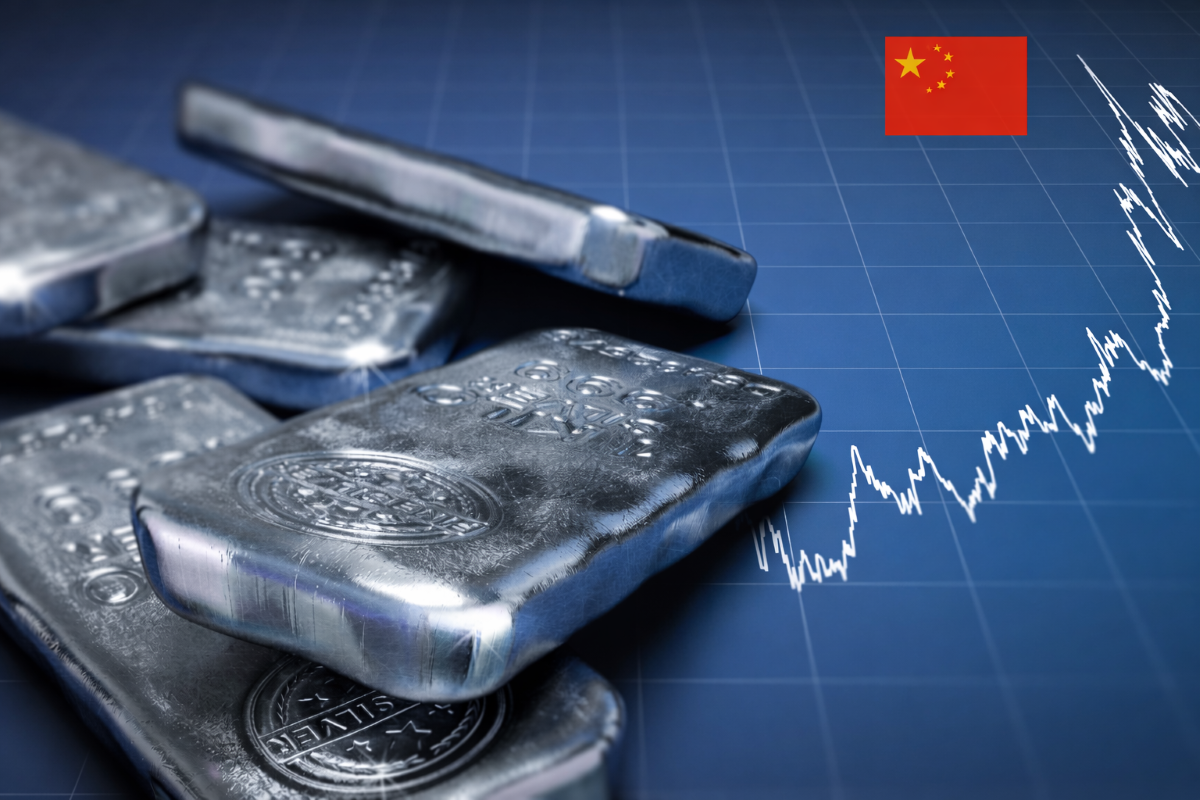
China’s new silver rules add a fresh supply variable for 2026
China will tighten silver exports from Jan. 1, 2026, moving shipments into a more controlled, license-driven process that can spark sharper XAG swings after an explosive year for metals. The China silver export controls 2026 policy matters for the U.S. economy because silver sits inside solar hardware, electronics and vehicles, so supply frictions can feed into prices and manufacturing timelines.
China’s commerce authorities have named 44 companies eligible to export silver for the 2026–2027 period, alongside 15 exporters for tungsten and 11 for antimony. That silver exporter list of 44 companies creates an approval gate that can slow cargo when licensing, inspections or policy priorities shift, especially in thin year-start logistics.
A record run in silver leaves little cushion for manufacturers
Silver finished 2025 up roughly 150%–160%, after pushing beyond $80 per ounce and hitting a record near $83.62 earlier in the week before sliding toward about $71.54 in the final sessions. Even after the pullback, the level is far above the roughly $29–$30 range seen at the start of 2025, a reset that has already hit budgeting for high-volume users.
That price path is why investors are treating the export controls as more than a paperwork story. When the physical market is tight and inventories are low, delays can widen regional premiums, and a $10 per ounce move becomes a genuine cost shock for parts of the industrial chain.
How licensing can turn a small metal into a big macro story
Silver is a small component inside a finished product, but it is often hard to replace quickly. If licensing stretches delivery times by weeks rather than days, manufacturers may need to hold more working capital, re-qualify suppliers, or redesign components, steps that can push costs into 2026 earnings and, in some cases, U.S. prices and inflation.
The market channel is visible in hedging. Higher XAG metals volatility raises option premia and margin needs, which can force shorter hedges and larger day-to-day moves in futures, especially when funds rotate between gold and silver. Those dynamics can hit stocks that are sensitive to discount rates if a commodity-led inflation pulse lifts real yields.
Solar, electronics and autos are the most exposed U.S. demand lanes
Silver is used in photovoltaic paste, soldering, switches and connectors, making it integral to solar panels, data centers and electric vehicles. If input costs stay elevated into Q1 2026, companies face a trade-off: protect margins and slow output, or preserve volumes and accept thinner margins until prices normalize.
The pass-through is uneven. Consumer electronics makers may absorb costs for a quarter; solar developers can reprice new contracts; automakers tend to manage through supplier negotiations, but assembly lines are sensitive to missing components even when each part is low-cost.
The rare-earth playbook is part of the risk premium
China has tightened exports across other critical minerals, and the silver export controls arrive after earlier restrictions on some antimony products from Sept. 15, 2024, and several tungsten products in February 2025. Those steps tightened availability outside China and helped push overseas prices higher, reinforcing a policy risk premium that markets now apply to the critical minerals supply chain.
Silver’s inclusion on the U.S. critical minerals list adds another layer, because it can encourage stockpiling and longer-dated procurement. That can keep the physical market tighter than futures imply, increasing the odds of sharp swings when industrial demand accelerates.
Analysts flag upside risk if inventories stay thin
Edward Meir, a metals analyst at Marex, said late-2025 trading was choppy but argued prices could push higher into 2026, with silver potentially reaching $100 per ounce if supply remains constrained and investment demand stays firm. BNP Paribas commodities analyst Jason Ying has also described precious metals as having room for further gains as rate-cut expectations support investor flows.
For markets, the key is whether licensing becomes routine or restrictive. A smooth process would cap volatility and tie direction to rates and positioning; slower approvals would raise the probability of another rapid spike that hits manufacturers and lifts inflation hedging demand.
What to watch next
The first test is Jan. 1, when enforcement begins and delivery times start reflecting the new approval gate. Next, monitor whether the 44-company exporter list changes during 2026–2027, and whether licensing rules tighten for specific end-uses. In the U.S., watch procurement policy around critical minerals, inventory data in electronics and solar supply chains, and any renewed margin hikes in precious-metal futures that can amplify swings.
Other News

The Role of Intelligent Forex Trading Systems in Optimizing Algorithmic Trading Performance
By Tredu.com · 5/20/2026

How Machine Learning Forex Trading Bot Enhances Predictive Accuracy in Forex Markets
By Tredu.com · 5/20/2026

FinancialMarkets.media granted the Official Google Partner certification
By Tredu.com · 5/20/2026