China War Games Around Taiwan Lift Risk Premium for Chips, Freight

By Tredu.com • 12/29/2025
Tredu
Live-fire drills add a new stress test for Taiwan-linked risk premia
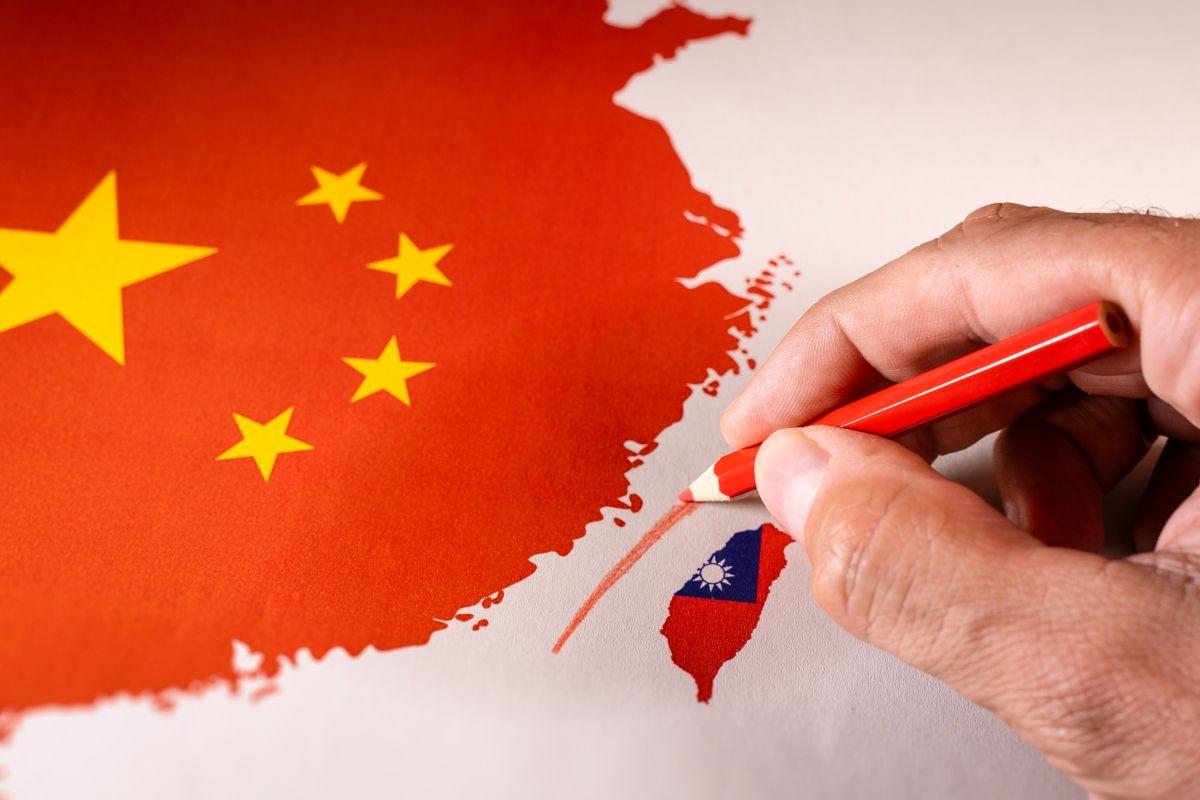
China launched large-scale war games around Taiwan on Monday, December 29, 2025, deploying troops, warships, fighter jets and artillery in exercises the People’s Liberation Army called “Justice Mission 2025.” The Eastern Theatre Command said it concentrated forces to the north and southwest of the Taiwan Strait and carried out live firing plus simulated strikes on land and maritime targets, with further activity scheduled for Tuesday that includes rehearsals to encircle the island and blockade major ports.
Taiwan put its military on high alert and initiated rapid response drills designed for sudden escalation. The defense ministry showcased U.S.-made HIMARS rocket systems, and the coast guard said it dispatched larger ships and was coordinating with the military to limit disruption to maritime routes and fishing areas.
Air and sea geometry tightened close to the island’s 24-mile zone
A senior Taiwanese security official said dozens of Chinese boats and aircraft were operating around the island and that some units deliberately moved closer to Taiwan’s contiguous zone, defined as 24 nautical miles from the coast. Taiwan’s aviation authority said China also designated a temporary danger zone affecting Taipei’s flight information region for a 10-hour window on Tuesday, December 30, and that it was working on alternative flight routes.
China’s Eastern Theater Command said the drill areas span the Taiwan Strait and waters to the north, southwest, southeast and east of the island, and it described the activity as joint operations involving air, naval and rocket forces, with live-fire activity scheduled for Tuesday.
Port-blockade language brings freight, insurance, and delivery risk into focus
Chinese messaging around the drills included training that simulates blocking Taiwan’s main ports, including references to sealing off Keelung in the north and Kaohsiung in the south. Even without interdictions, a blockade rehearsal can lift war-risk insurance pricing, nudge schedules, and increase the cost of moving high-value electronics cargo through nearby sea lanes.
Taiwan’s coast guard said it was working to minimize the impact on shipping routes and fishing areas, a practical priority for an economy where port throughput and just-in-time electronics logistics are closely tied to cash conversion for exporters and their suppliers.
Triggers include a record U.S. arms package and a sharper regional deterrence debate
The drills began 11 days after Washington announced $11.1 billion in arms sales to Taiwan. They also followed a rise in Chinese rhetoric after Japan’s prime minister, Sanae Takaichi, said in a hypothetical scenario that Tokyo could respond militarily if China attacked Taiwan. China framed the drills as a warning to “Taiwan independence” forces and “external interference,” while Taiwan condemned the activity as intimidation and said it would defend democratic governance.
The timing matters because each additional round of large-scale exercises expands the set of “normal” actions that counterparties, insurers, and logistics planners must price, even if no single event disrupts trade flows on the day.
Taiwan equities held firm, but hedging is the first pressure valve
Taiwan’s stock market rose 0.8% to a record high in morning trading during the drills, a sign local investors have learned to discount recurring pressure when it does not interrupt commerce. The first market response tends to show up in hedging, including shorter-dated protection in regional equity options and FX forwards rather than immediate spot selling.
If the operational tempo persists, the pressure tends to migrate into liquidity-sensitive corners: tighter bid-ask spreads in Asia session FX, higher implied volatility for Taiwan-linked tech baskets, and a firmer risk premium in transport and insurance names that are exposed to rerouting and claims.
Chips are the global transmission channel
The semiconductor supply chain risk premium is where a Taiwan Strait episode can move fastest into global assets. Taiwan sits inside critical nodes for advanced chip manufacturing used in smartphones, cloud servers, and industrial electronics, and a sustained narrative of tighter military activity can shift purchasing behavior toward higher inventories and redundant sourcing.
That shift can pressure margins through buffer stock and higher logistics costs while raising dispersion across tech valuations as investors separate firms with diversified production footprints from those with concentrated Taiwan exposure.
FX and funding costs reprice when trade plumbing looks exposed
In currencies, the usual pattern is a rise in USD/TWD hedging costs before any large spot move, because funds and corporates seek protection while maintaining operational exposure. USD/CNH is the regional barometer for sentiment, with a higher hedge bid showing up when geopolitical headlines coincide with thin year-end liquidity.
For credit, the channel is a wider risk premium in Asia investment-grade spreads and in trade-finance pricing for shipping and electronics supply chains that depend on predictable port access and flight corridors.
Why “blockade rehearsal” matters more than live-fire optics
Live-fire drills are not new, but explicit training around port access and encirclement changes the scenario set markets must carry. Keelung and Kaohsiung connect industrial inputs and exports, so any increase in the probability of delays affects working capital, delivery penalties, and insurance requirements for cargo owners.
The aviation angle is similar: temporary danger zones and rerouting raise costs and add timing risk for electronics shipments that rely on predictable air cargo links, even if flights keep moving.
Base case, upside and downside scenarios set early-2026 pricing triggers
The base case is that “Justice Mission 2025” runs on a defined timetable, Taiwan sustains elevated readiness, and commercial traffic adjusts with limited disruption, leaving a contained geopolitical risk premium in hedges rather than a broad repricing of Asia assets. The key forward trigger is whether China extends air and sea restrictions beyond stated windows or introduces inspection activity that slows shipping.
An upside scenario is a reduction in operational intensity after Tuesday’s phase, with no incidents near the 24-nautical-mile line and quieter official messaging, which would ease short-dated USD/TWD hedging demand and reduce insurance premia linked to Taiwan Strait transits.
A downside scenario is repeated port-focused drills, closer approaches by aircraft and vessels, or an operational mishap that forces emergency closures, even briefly. That would lift hedging costs in USD/TWD and USD/CNH and increase volatility for sectors tied to cross-strait logistics, including shipping, electronics and selected industrials.