Europe Gas Jumps As LNG Crunch Ignites Inflation Fears

By Tredu.com • 3/9/2026
Tredu
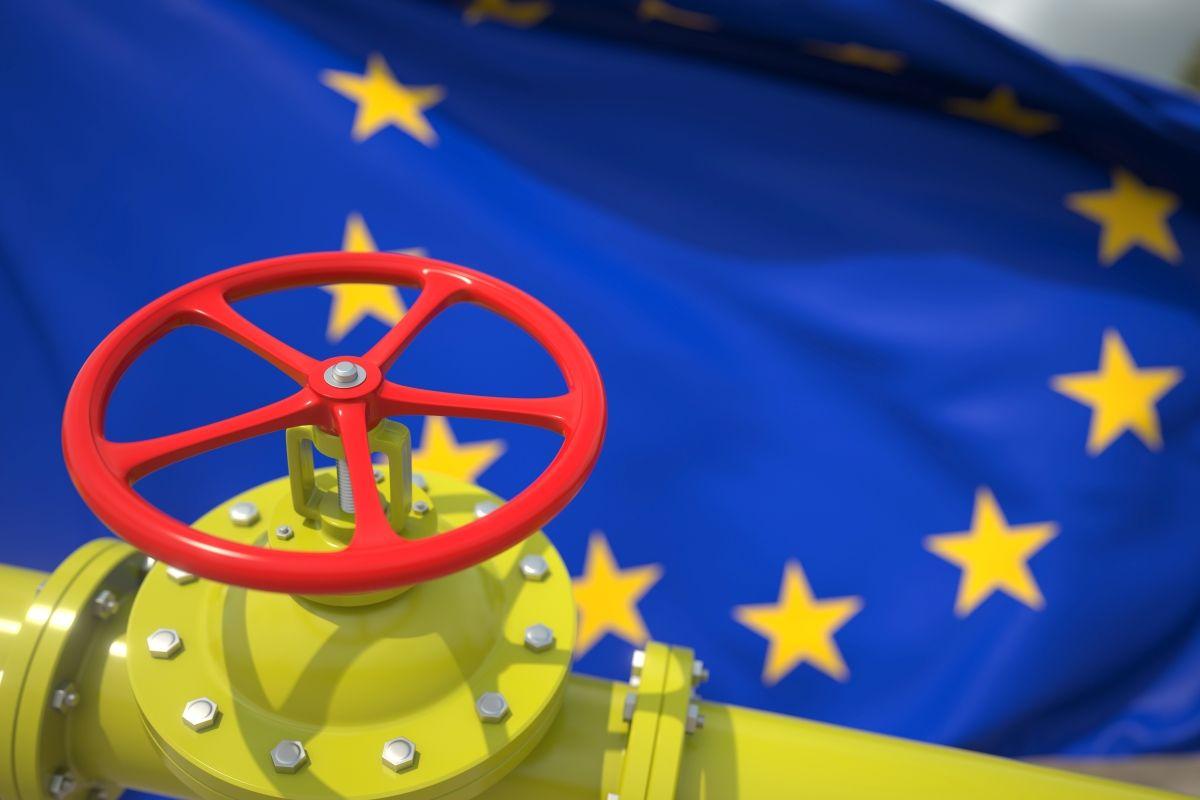
Europe Gas Surges As LNG Supply Stress Reprices The Region
Europe gas prices leapt on March 9 as traders rushed to secure supply after the widening Middle East war disrupted global LNG flows and tightened competition for cargoes. The benchmark Dutch TTF contract rose as much as 69.50 euros per megawatt-hour before easing back toward 61.75 euros, still up about 15.7% on the session. That Rally matters because Europe remains exposed to seaborne LNG after losing much of its former Russian pipeline cushion, and a sudden Crunch in cargo availability quickly feeds into Inflation expectations, utility costs and industrial margins.
The immediate trigger was the disruption to Qatari LNG output and shipments. Qatar is one of the world’s biggest LNG suppliers, and any interruption there forces buyers in both Europe and Asia to compete harder for replacement cargoes. When that happens, the gas market does not wait for storage to fall sharply. Prices move first, because traders start pricing scarcity, higher shipping costs and the risk that utilities will need to pay up to secure fuel for late winter and spring demand.
Dutch TTF Becomes The Main Stress Signal For Europe
The Dutch TTF contract is the benchmark that matters most for European Gas pricing, and its latest jump showed how quickly the market can reprice when LNG flows look less secure. The move pushed front-month prices back to levels not seen during calmer trading conditions earlier in 2026, when the contract had been closer to the low-30-euro range.
That change is significant for equities and bonds because TTF is not just an energy price. It is also a macro signal. When gas rises this fast, investors start reassessing earnings across utilities, chemicals, fertilizers, heavy industry and transport. At the same time, bond markets begin to factor in the possibility that headline Inflation stays hotter for longer, even if growth starts to slow.
This is where the latest Europe move becomes a broader market event. The gas Rally landed at the same time that oil climbed above $100 a barrel, creating a double energy squeeze that raises input costs across the region.
LNG Disruption Hits Europe Through Competition, Not Only Direct Imports
Europe does not need to import every disrupted cargo from the Gulf for prices to spike. The mechanism is more indirect and more powerful than that. If Asian buyers lose access to Qatari cargoes, they bid more aggressively for LNG from the United States, Africa and other exporters. That leaves Europe paying higher prices to defend supply, especially when storage policy and utility procurement require steady inflows.
This is why the latest LNG disruption matters even if European terminals are still operating normally. The region is now part of a much tighter global balancing system. A missing cargo in one basin can raise prices everywhere else within hours.
For industrial users, that is the immediate threat. Higher feedstock and electricity costs can compress margins quickly, especially in sectors already struggling with weak demand and soft manufacturing activity. For households, the impact is slower but still meaningful if wholesale prices stay elevated long enough to affect retail tariffs.
Stocks, Bonds And Utilities Feel The Pressure First
The clearest equity channel runs through utilities and energy-intensive industries. Power producers with hedged fuel books can outperform in the near term, but suppliers exposed to spot gas costs or political pressure on tariffs may face a more complicated outlook. Chemicals, steel, glass and fertilizers are also vulnerable because gas is often both a fuel source and a production input.
The bond market response is equally important. Higher gas prices tend to lift inflation breakevens and pressure sovereign debt as investors question how quickly central banks can ease policy. If Europe faces another prolonged energy-driven Inflation pulse, rate cuts become harder to deliver, and that tightens financial conditions for the broader market.
Currencies also matter. A fresh energy squeeze can weigh on the euro if import bills rise and growth expectations soften. That would add another layer of pressure to sectors dependent on stable financing and consumer demand.
In Tredu coverage terms, the market-first issue is not just whether gas stays high for one day. It is whether the new price level starts changing earnings models, inflation forecasts and policy expectations into the second quarter.
Base Case Keeps Gas Elevated But Off Panic Highs
The base case is that Europe continues to attract enough LNG to avoid a physical shortage, but only by paying a higher premium for global cargoes. Under that outcome, TTF remains elevated, utilities keep buying cautiously, and industrial users face another period of squeezed profitability.
That would still be painful for markets. Inflation fears would stay alive, European shares could remain under pressure, and bond yields would likely stay volatile as investors balance weaker growth against higher energy costs.
Upside Scenario Depends On Faster Cargo Relief
The upside scenario requires two concrete triggers. First, Qatari LNG production or exports would need to show signs of normalization. Second, alternative suppliers such as the United States, Nigeria or Algeria would need to move enough cargoes into the market to calm bidding tension between Europe and Asia.
If those conditions emerge, the current Rally could fade and Europe gas prices could pull back from session highs. That would ease pressure on utilities, improve the outlook for industrial margins and reduce the near-term Inflation threat hanging over bonds and equities.
Downside Scenario Would Turn A Price Spike Into An Economic Drag
The downside scenario is that LNG disruption lasts longer and Europe is forced into a sustained bidding war with Asia well into spring. If that happens, TTF could revisit or exceed the latest intraday highs, and the damage would spread from wholesale energy to corporate guidance, consumer sentiment and fiscal policy.
A longer price surge would be especially dangerous for governments already trying to avoid another round of energy support measures. It could also revive fears that Europe’s recovery remains too fragile to absorb another external cost hit.
Bottom line:
Europe is facing a fresh gas squeeze because disrupted LNG supply has turned the regional market back into a global bidding contest. If cargo flows do not stabilize soon, the hit will spread well beyond utilities into inflation, bond yields and industrial earnings.
Other News

The Role of Intelligent Forex Trading Systems in Optimizing Algorithmic Trading Performance
By Tredu.com · 5/20/2026

How Machine Learning Forex Trading Bot Enhances Predictive Accuracy in Forex Markets
By Tredu.com · 5/20/2026

FinancialMarkets.media granted the Official Google Partner certification
By Tredu.com · 5/20/2026