Foreign Cars Reach Russia Via China, Sanctions Pressure Auto Markets

By Tredu.com • 2/12/2026
Tredu
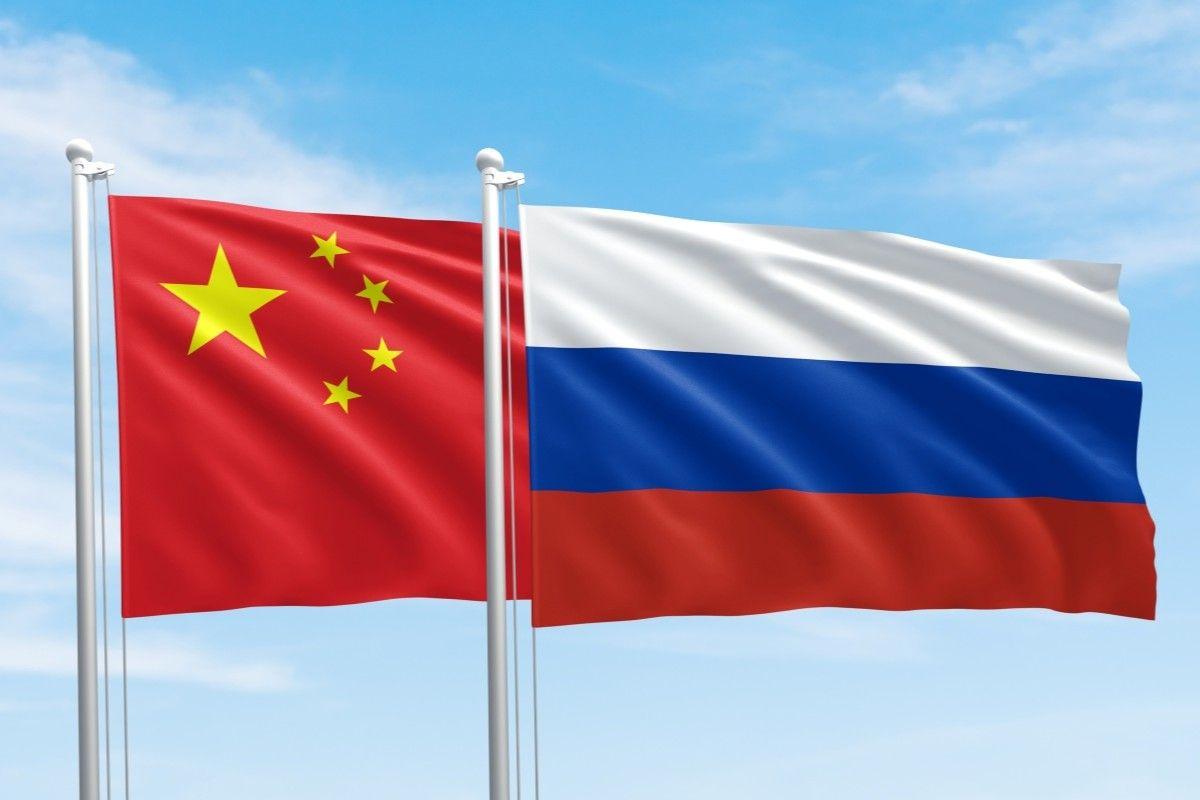
Parallel Car Imports Keep Foreign Brands In Russia Despite Restrictions
On February 12, 2026, new registration and shipping records pointed to a large flow of foreign-brand vehicles into Russia through China, despite government restrictions and corporate pledges made after the 2022 invasion of Ukraine. The scale matters for markets because it adds sanctions compliance risk for global automakers, supports a profitable gray trade for intermediaries, and keeps a high-price segment of Russia’s auto market supplied even as official channels remain shut.
The trade also changes regional supply and pricing signals. When cars can reach buyers through re-export networks, the effect is felt in dealer margins, logistics volumes, and the policy pressure building around sanctions enforcement.
Data Shows 130,000 Sanctioned-Origin Brand Registrations In 2025
Registration data for 2025 show nearly 130,000 vehicles sold in Russia from automakers headquartered in jurisdictions imposing restrictions, with nearly half manufactured in China. Since early 2022, more than 700,000 vehicles from those foreign brands have been sold in Russia, a number that undercuts expectations that exits would eliminate the category entirely.
The mix is shifting toward China-built models because many global brands assemble vehicles in China with local partners. That creates an export pathway that is operationally easy to scale, especially when order volumes are split into smaller shipments across multiple middlemen.
“Zero-Mileage Used Cars” Turn A Paperwork Shift Into A Workaround
A growing share of shipments involve “zero-mileage used cars,” vehicles that are essentially new but first registered in China, then reclassified as used and exported. The mechanism is simple and effective: labeling a car as used reduces the need for manufacturer approval tied to prohibitions on Russia sales, and it can also complicate traceability once the vehicle changes hands.
Former exporter Zhang Ai Jun described the classification tactic as a way to export more easily, reflecting how administrative steps can become the main test of enforcement rather than physical transport. The practice also reflects overcapacity dynamics in China’s domestic market, where discounting can be deep enough to make re-export arbitrage profitable.
Price Gaps Create Strong Incentives For Dealers And Buyers
The economics are driven by a spread between discounted pricing in China and premium pricing in Russia. In China, zero-mileage units can be sold at heavy markdowns; in Russia, the same models can fetch pricing comparable to never-registered new cars. That spread supports an ecosystem of brokers, shippers, and dealers who can fill single-customer orders without holding large inventories.
A Moscow dealership executive said customers still want Western brands, adding: “we can only bring them in through parallel channels.” That demand signal helps explain why the flow has persisted into 2026 even as the broader new-car market is dominated by Chinese marques.
Toyota, Mazda, And German Luxury SUVs Lead The Gray Pipeline
Brand-level data show the pattern. Russians bought nearly 30,000 Toyotas in 2025, with almost 24,000 made in China. Nearly 7,000 Mazdas were sold in the same period, almost all China-made. Hybrids remain popular among Russian buyers, even as restrictions in many sanctioning jurisdictions target electric vehicles and hybrids as well as high-priced, large-engine models.
German luxury vehicles also appear in large numbers. Nearly 47,000 new vehicles from BMW, Mercedes, and the broader Volkswagen Group portfolio were registered in Russia last year, and more than 20,000 of those were manufactured in China. The remainder were made in Europe but often routed through China before entering Russia. High-end models such as the Mercedes G-class, priced around 120,000 euros, illustrate why this segment can stay resilient even when financing costs are high.
Automakers Face Contract Policing Costs And Reputation Risk
Automakers that left Russia have said they prohibit sales into the country and rely on dealer contracts, audits, and training to reduce unauthorized exports. The compliance burden is not only legal; it is commercial. If enforcement agencies expand investigations or add intermediaries to restriction lists, automakers can face disruptions in their China distribution networks, including delayed deliveries and higher documentation costs.
That risk channel can hit equities quickly. European and Japanese auto shares tend to reprice when sanctions news threatens dealer networks, and suppliers can be affected if OEMs adjust production allocations away from models that are frequently re-exported.
Market Impact Extends To FX, Credit Spreads, And Logistics Volatility
The trade has cross-asset implications. In foreign exchange, higher Russia-China trade volumes can reinforce ruble-yuan settlement flows, while tighter enforcement could reduce those flows and lift hedging demand. In credit, the auto distribution layer is sensitive to short-term funding: if restrictions tighten, inventory financing risk rises and spreads can widen for exposed dealers and logistics operators.
For commodities, the effect is indirect but present. A steadier pipeline of imported vehicles supports parts demand, repair networks, and aftersales activity, which can marginally influence metals and chemical inputs. The larger market consequence is volatility: policy headlines can change trade routes quickly, lifting transport costs and increasing uncertainty for companies with Asia-to-Eurasia shipping exposure.
Tredu monitoring of registration patterns highlights how quickly parallel imports can scale when price gaps widen and paperwork pathways remain available.
Base Case: Flow Persists, Enforcement Stays Uneven
Base case for 2026 is continued parallel imports at levels similar to 2025, with China remaining the dominant hub and enforcement uneven across jurisdictions. The trigger for stability is the absence of new coordinated measures focused on re-export networks, allowing intermediaries to keep routing vehicles while automakers rely on contract controls rather than physical interdiction.
In this scenario, auto markets keep pricing modest compliance risk into global OEM valuations, while Russia’s premium segment remains supplied and dealer pricing stays firm.
Upside Scenario: Tightened Controls Reduce Volumes And Lift China Domestic Discounts
An upside scenario for sanction effectiveness requires coordinated action targeting re-export documentation and shipping intermediaries, cutting volumes and reducing availability in Russia. A trigger would be new restrictions that specifically address zero-mileage labeling and tighten monitoring of dealer registrations and export declarations in China.
Under that outcome, Russia prices for imported models rise, China discounts deepen to clear surplus stock, and logistics volumes reroute. Global automakers could see reduced reputational pressure but face higher compliance costs in Asia distribution.
Downside Scenario: Networks Expand, Policy Friction Spills Into Broader Trade
The downside scenario is that the workaround spreads, increasing volumes beyond 2025 levels and prompting broader policy retaliation that affects other trade lines. A trigger would be a visible acceleration in registrations of restricted brands, combined with new evidence of systematic re-exporting through multiple ports and border points.
In that case, enforcement pressure rises, diplomatic friction increases, and volatility in autos and logistics spills into broader markets through risk sentiment, FX hedges, and higher credit spreads for trade-linked issuers.
Bottom line:
The pipeline of foreign-brand vehicles into Russia is being sustained by China-based re-export channels and “zero-mileage” classification tactics. Markets will move on whether enforcement tightens around intermediaries, or whether the gray network continues to grow through 2026.