G7 Weighs Emergency Oil Release As Iran War Sends Crude Soaring

By Tredu.com • 3/9/2026
Tredu
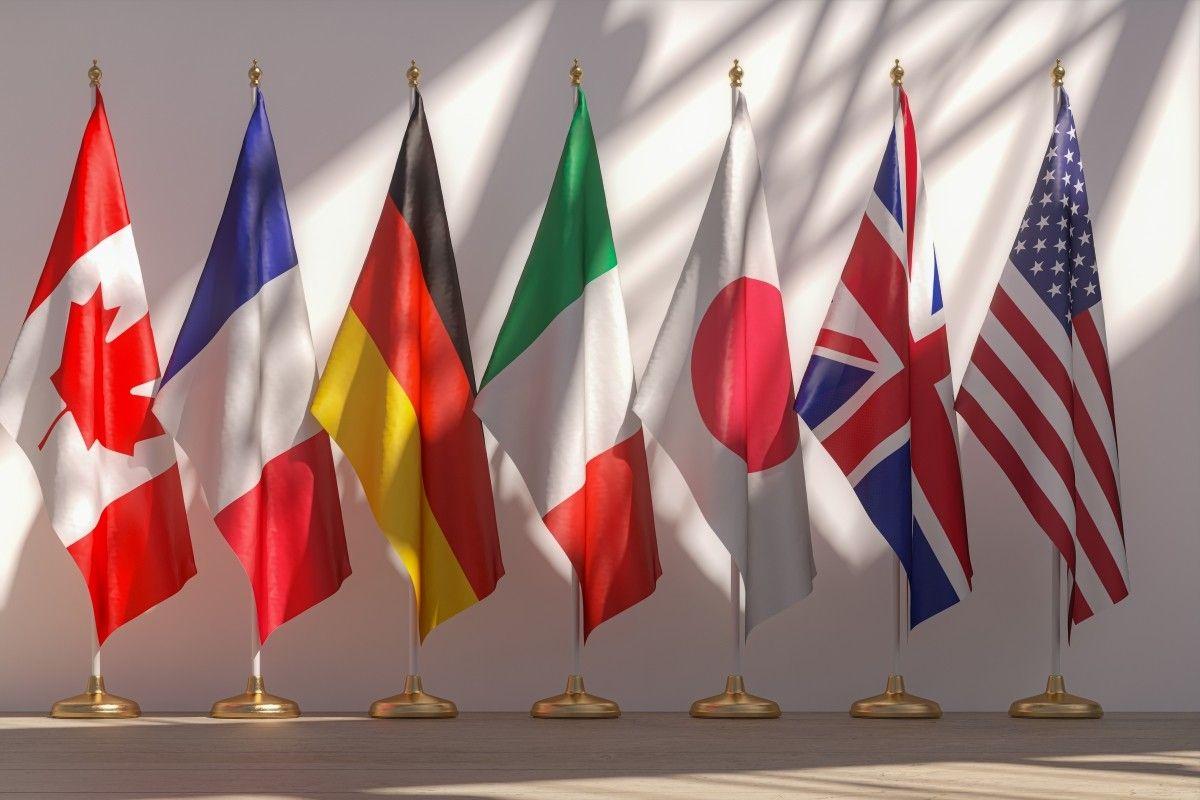
G7 Considers Emergency Action As Oil Shock Intensifies
G7 finance ministers are weighing a coordinated release of emergency oil reserves as the Iran war drives crude prices sharply higher and forces governments to confront a fast-moving energy shock. The talks come after Brent and WTI surged to their highest levels since 2022, with markets scrambling to price disrupted Gulf supply, higher shipping costs and a worsening inflation outlook.
The discussion matters because a joint reserve move is one of the few tools governments can deploy quickly when physical oil flows are threatened. A coordinated action would aim to calm the crude market, reduce panic in futures trading and signal that major economies are prepared to backstop supply if the conflict keeps tightening energy availability.
Why A G7 Reserve Release Is Back On The Table
The main trigger is the sudden jump in oil after the war expanded across the Middle East and tanker traffic through the Strait of Hormuz came under severe strain. Around one-fifth of global oil shipments normally pass through that corridor, so even a partial disruption can send crude sharply higher before any official shortage is recorded in inventories.
That is why an emergency release has gained urgency. Strategic reserve barrels are designed for moments when the market faces a supply threat large enough to hit households, industry and inflation expectations at the same time. The G7, working alongside the International Energy Agency framework, has used this mechanism before during major supply disruptions, and the latest price shock has put that option back at the center of policy planning.
Crude Surge Is Rippling Across The Whole Market
This is not only an oil story. When crude jumps this fast, the move spreads quickly into equities, bonds, currencies and consumer expectations. Higher fuel costs raise transport and freight expenses, squeeze industrial margins and threaten to keep headline inflation elevated even if broader economic growth slows.
That puts central banks in a difficult position. A fresh oil shock can delay rate cuts by keeping inflation too high for comfort, which in turn pressures stocks that depend on easier financial conditions. Bonds can also turn volatile because traders must weigh slower growth against a higher energy-driven price backdrop.
For markets, the G7 debate is therefore about more than barrels. It is about whether policymakers can stop a crude rally from becoming a wider macro problem.
Energy Security Becomes The Immediate Policy Priority
The reserve discussion shows how quickly the Iran war has shifted from a regional security crisis into a global economic event. Governments are now focusing on energy security, not just diplomacy, because oil is the fastest transmission channel from conflict to inflation.
A coordinated release would likely target near-term supply pressure rather than try to force crude back to pre-war levels. Officials know reserve barrels cannot permanently replace Gulf exports if the disruption lasts for weeks. What they can do is buy time, reduce speculative pressure and ease the worst fear that refiners and importers will struggle to secure cargoes.
That matters most for countries heavily exposed to imported energy. Japan, parts of Europe and many Asian economies face immediate vulnerability when crude surges and shipping insurance costs spike at the same time.
Equities, FX And Credit Are All Exposed
The first market channel is equities. Energy producers can benefit from higher crude, but airlines, chemicals, industrial transport and consumer sectors usually suffer as costs rise. A reserve release could help limit the damage by pulling some of the extreme risk premium out of the oil market.
The second channel is foreign exchange. Oil-importing economies often see their currencies weaken when crude rises because trade balances deteriorate and inflation risks increase. If a G7 action cools the rally, that can reduce stress in currency markets and help stabilize broader risk sentiment.
The third channel is credit. Higher energy prices can widen spreads for sectors with thin margins and heavy fuel exposure. If crude stays near current levels, investors may begin to price weaker cash flow across transport, manufacturing and lower-rated corporate borrowers.
Base Case: Reserve Barrels Slow The Rally
In the base case, G7 ministers move toward a coordinated release that adds short-term supply and helps prevent a full panic across the crude market. Under that outcome, oil remains elevated, but the pace of the surge slows as traders see a credible official response.
That would not remove the geopolitical premium, because the Iran war would still be disrupting supply routes. It would, however, make the crude path more orderly and reduce the immediate risk of a policy-driven shock to inflation expectations and rate markets.
Upside Scenario: Supply Relief Meets Calmer Shipping Conditions
The upside scenario requires two triggers. First, the G7 and its partners would need to release enough reserves to reassure refiners and physical traders. Second, tanker traffic and shipping conditions in the Gulf would need to stabilize enough to show that the worst-case supply loss is being avoided.
If those conditions hold, crude could retreat from its recent highs and markets would likely respond positively. Equities sensitive to fuel costs could rebound, bond yields might stabilize and the broader risk mood would improve.
Downside Scenario: Reserve Action Proves Too Small
The downside scenario is that the release is either delayed or judged too small relative to the scale of the disruption. If Gulf supply remains impaired and the market believes strategic barrels cannot offset the loss, crude could keep rising despite the announcement.
That would deepen the inflation shock, push risk assets lower and increase the chance that governments need broader emergency measures. In that case, the G7 would still matter, but the market would see the reserve move as a temporary patch rather than a lasting solution.
Bottom line:
The G7 is weighing an emergency reserve response because the Iran war has turned crude into the world’s most urgent economic pressure point. Whether that move works depends on one question, can official barrels cool the rally before a supply scare becomes a deeper inflation shock.
Other News

The Role of Intelligent Forex Trading Systems in Optimizing Algorithmic Trading Performance
By Tredu.com · 5/20/2026

How Machine Learning Forex Trading Bot Enhances Predictive Accuracy in Forex Markets
By Tredu.com · 5/20/2026

FinancialMarkets.media granted the Official Google Partner certification
By Tredu.com · 5/20/2026