Gold Breaks Higher as Fed Cut Bets Fuel a Safe-Haven Stampede

By Tredu.com • 11/10/2025
Tredu
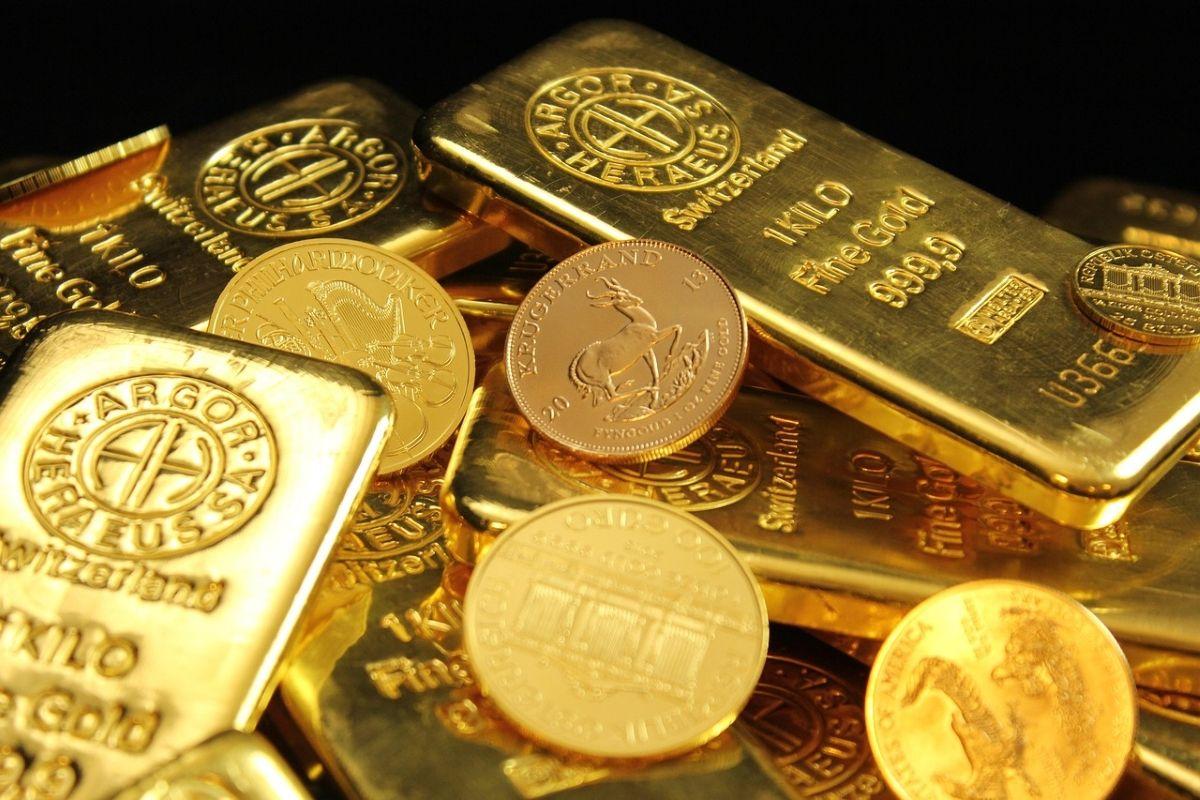
Gold jumps on Fed cut bets and mounting slowdown fears
Gold jumps as Fed cut bets and slowdown fears lift safe-haven demand, with spot prices rising more than 1 percent and briefly touching a two-week high on November 10. Spot gold traded around $4,070 per ounce, while U.S. futures tracked similar gains, helped by a weaker dollar and renewed conviction that the Federal Reserve could deliver another interest rate cut in December. A run of softer U.S. data, elevated layoff announcements and fragile sentiment has strengthened the appeal of non-yielding assets, and the move positions bullion back near the upper end of its recent range.
Weak data sharpen rate cut expectations
The shift in pricing is rooted in a clear macro signal. Investors are digesting evidence of a cooling U.S. economy, including job losses across government and retail sectors and rising layoff counts linked to cost-cutting and automation. Consumer sentiment has dropped to its lowest level in more than three years, while the protracted U.S. government shutdown has weighed on confidence and disrupted official data. As a result, market-implied odds of a December rate cut have climbed to roughly two-thirds, reinforcing the logic for holding assets that are less sensitive to lower policy rates.
Why lower yields amplify gold’s appeal
Gold typically benefits when expectations tilt toward easier policy. Lower policy rates and softer real yields reduce the opportunity cost of owning bullion, which does not pay interest, and can weaken the dollar, making the metal cheaper for holders of other currencies. With investors reassessing how aggressive the Fed can be in the face of slower growth signals, the latest rally in gold is less about a sudden shock and more about a cumulative repricing of the rate outlook. For Tredu readers, the message is that the current level of yields and the prospect of another cut are structurally supportive for bullion as long as growth uncertainty persists.
Safe-haven demand in a fragile backdrop
Beyond the rates story, gold is catching support as a traditional safe haven in a climate of overlapping risks. A lengthy government shutdown, concerns over labour market softness, equity market volatility and lingering geopolitical tensions are all feeding hedging flows. Investors who had trimmed allocations during earlier risk-on stretches are using the combination of weaker data and policy uncertainty to rebuild positions. The tone of the move, gradual but persistent, suggests that strategic buyers are active rather than purely short term momentum traders.
ETF inflows and positioning signals
Holdings of the SPDR Gold Trust, the largest gold-backed ETF, edged higher toward 1,042 tonnes, a modest but notable increase that validates the price action. Rising ETF holdings indicate that institutional and wealth-management flows are leaning back into bullion exposure alongside futures market interest. While positioning is not stretched by historical standards, the shift marks a turn from periods earlier in the year when ETF outflows had capped rallies. If inflows continue, they could reinforce the floor under prices even if speculative futures activity remains more tactical.
Silver and PGMs move in sympathy
The bid under gold spilled into other precious metals. Silver advanced more than 2 percent, while platinum and palladium also posted gains. These moves reflect a blend of safe-haven spillover and industrial demand expectations, with investors using the complex as a diversified expression of caution on growth, currency volatility and policy uncertainty. However, liquidity and volatility in these markets remain higher than in gold, so follow-through will depend more heavily on incoming macro data and broader risk sentiment.
How sustainable is the latest rally?
The sustainability of this gold jumps on Fed cut bets, slowdown fears narrative hinges on three factors. First, whether upcoming U.S. releases confirm a cooling economy without sliding into outright contraction, which would keep rate cut expectations alive while avoiding forced asset sales. Second, how quickly the government shutdown is resolved and data flow normalizes, allowing markets to refine their macro view. Third, the path of the dollar: a renewed surge in the greenback could cap bullion, while a softer profile would support prices near or above current levels. For now, the balance of information leans cautiously supportive for gold.
Risks to the bullish case
There are credible risks. If the Fed pushes back harder against market pricing or incoming data surprise on the upside, yields could move higher again and temper enthusiasm for further gains. A swift resolution of political uncertainty or a strong rebound in risk assets might encourage some investors to rotate out of defensive trades. In addition, with spot prices near record territory in nominal terms, profit-taking episodes can materialize quickly on any hint of policy disappointment. These factors argue against assuming a one-way climb, even if the structural backdrop remains friendly.
Portfolio implications for investors
For investors, the latest move reinforces gold’s role as a portfolio hedge rather than a purely speculative trade. Allocations are being framed as protection against policy missteps, currency volatility and a slower global cycle, especially at a time when traditional safe havens such as long dated government bonds are subject to their own valuation and liquidity questions. Institutions are more likely to favour measured, strategic positions than to chase spikes, while active traders will watch technical levels around recent highs to gauge whether fresh momentum emerges.
Bottom line
Gold jumps as Fed cut bets and slowdown fears lift safe-haven demand, pushing prices to a two-week high and underscoring bullion’s appeal in a market wary of softer data, policy uncertainty and political strain. The move rests on more than a single headline: it reflects a broad recalibration of rate expectations and risk appetite that, for now, keeps gold firmly in focus as a core defensive asset.