Gold and Silver Break Records as Tariffs Fuel Safe-Haven Bid

By Tredu.com • 1/19/2026
Tredu
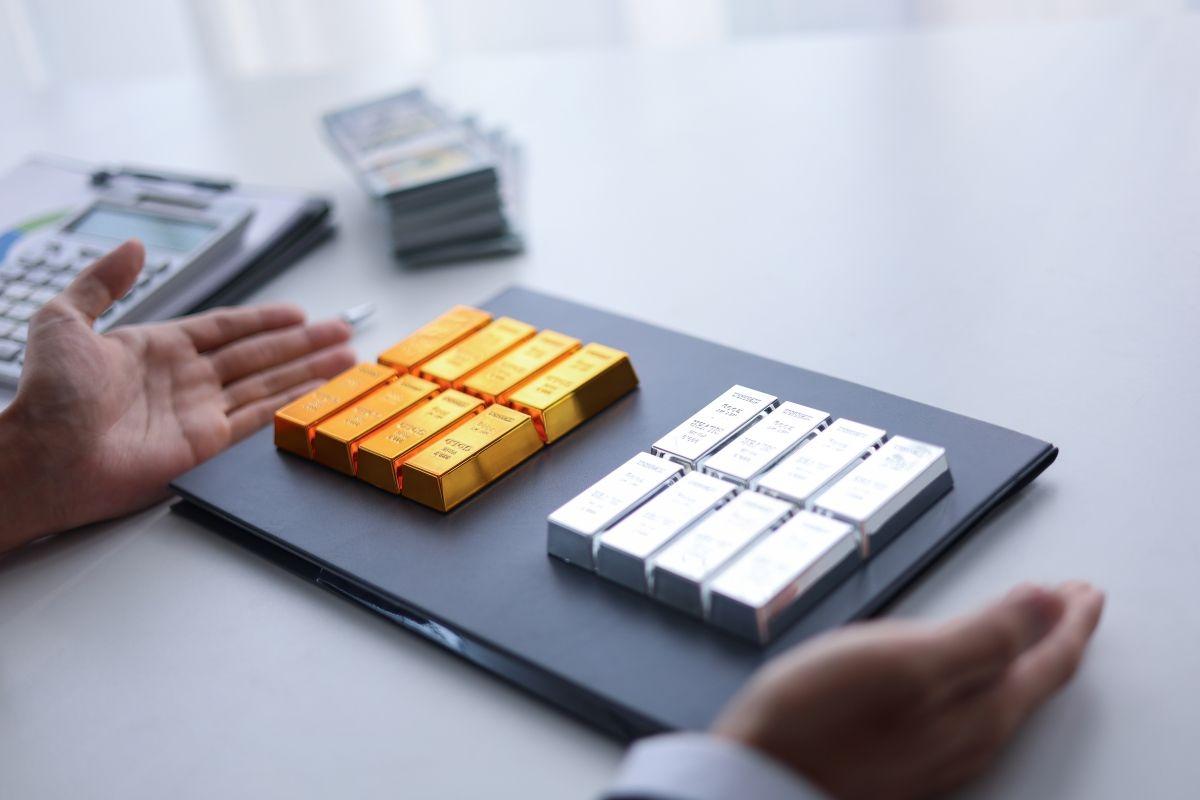
Record highs in precious metals land as trade risk returns
Gold printed a new record high on Monday, January 19, after tariff threats injected fresh uncertainty into cross-border trade and lifted demand for defensive assets. Silver outperformed, surging to a record peak as traders leaned into precious metals hedges and volatility protection. The rally mattered to markets because it arrived alongside a broader repricing of risk, with investors rotating away from cyclical exposure and leaning on havens in currencies, metals, and short-dated options.
Spot gold traded around $4,666.65 an ounce after hitting an intraday record near $4,689.39, while U.S. gold futures rose to about $4,671.40. Spot silver jumped roughly 4% to about $93.50 after touching a record peak of $94.08. Platinum climbed to around $2,353.25 and palladium edged up near $1,804.06, extending a broader move across the metals complex.
Tariffs bite into risk appetite and change the hedge playbook
The latest tariff threat focused on potential duties against a group of European allies, with a timeline that starts at lower levels and steps up sharply later in the year if negotiations fail. That escalating structure tends to matter more for markets than a single headline number, because it forces companies and investors to plan around concrete dates for cost and supply-chain disruption.
In practical terms, tariffs bite through several channels at once: weaker confidence in cross-border demand, uncertainty around pricing power for exporters, and higher costs for manufacturers that rely on imported inputs. Even before any implementation, that uncertainty can push portfolio managers to raise hedges, because a trade shock can compress equity multiples and lift FX volatility quickly.
Gold record high reflects policy uncertainty, not physical shortages
The gold record high was driven by financial demand rather than a sudden shift in mine supply. Bullion typically climbs when investors worry about policy credibility, longer-lasting geopolitical friction, or a less predictable growth path. This time, the move also carried a currency component, as investors sought protection against sharp swings in the dollar and a potential rise in short-term volatility across major markets.
A key driver is that gold works as a liquidity hedge. When investors fear event risk, they often choose assets that can be sold quickly without heavy price impact. Gold’s depth and its role as collateral make it a standard choice when portfolios need insurance.
J.P. Morgan has argued that gold’s structural demand base, including central bank accumulation and diversification flows, can keep the metal better supported than more cyclical commodities during periods of policy-driven uncertainty.
Silver record peak signals a higher-beta version of the same trade
Silver tends to move like a turbocharged version of gold because it sits between a monetary asset and an industrial metal. When the safe-haven bid rises, silver often follows, but its swings can be sharper due to thinner liquidity and more speculative positioning. That mix helps explain why silver led the move, with the rally accelerating as traders chased momentum and covered shorts.
Silver’s industrial tie-in can also matter for positioning. The metal is linked to electronics, solar components, and broader manufacturing cycles, so traders sometimes treat strength as a signal that demand expectations are stabilizing. In this episode, the speed of the move suggested that the primary driver was hedging and rebalancing rather than a sudden repricing of factory demand.
How futures pricing works, and why it matters for markets
Investors often see two gold prices quoted: spot gold and U.S. gold futures. Spot is the cash price for immediate settlement in the physical market, while futures are standardized contracts to buy or sell later at a price agreed today.
Futures can trade above or below spot depending on interest rates, storage and financing costs, and the demand to hedge. In a risk-off rush, futures can jump because funds use them as fast exposure, and because liquidity in the futures market is deep. That is one reason the futures contract can amplify the day’s move even if physical flows are steady.
FX and equity spillovers reinforce the defensive pivot
In currencies, safe-haven demand showed up through strength in the Japanese yen and Swiss franc, while the dollar softened versus some major peers. A weaker dollar during a geopolitical flare-up is not the usual pattern, but it can happen when investors judge the event risk as originating in U.S. policy rather than outside it. The shift tends to reduce the dollar’s safe-haven premium and supports demand for alternatives, including metals.
Equities reflected the same mood. European stocks moved lower, with pressure concentrated in trade-exposed sectors such as autos, luxury, and technology. When tariffs become a headline risk, export-heavy companies often take the first hit because the market quickly models margin compression, inventory disruptions, and weaker end demand.
For asset allocators, the linkage is direct: lower equity confidence pushes hedges higher, which supports precious metals, lifts implied volatility, and tightens risk budgets for higher-beta strategies.
What happens next depends on deadlines, retaliation risk, and rates
The base case is that gold and silver stay elevated as investors wait for clarity on whether tariff threats turn into policy, with day-to-day moves driven by headlines and positioning. Under this scenario, the safe-haven bid remains supported, but metals can chop as traders take profits after sharp runs.
The upside scenario for metals is triggered by further escalation, including firm implementation steps, retaliation signals, or additional geopolitical flashpoints that lift hedges across commodities and FX. In that environment, gold can hold a higher floor while silver remains volatile and more sensitive to profit-taking.
The downside scenario is a rapid de-escalation that reduces immediate trade risk and pushes real yields higher. A calmer policy path and firmer rates would typically cool demand for precious metals, especially silver, which is more exposed to risk sentiment swings.
Bottom line:
Gold and silver broke records as tariff-driven volatility pushed investors toward defensive positioning. If trade deadlines harden and retaliation risks rise, precious metals hedges are likely to stay in demand, with silver moving faster than gold in both directions.
Other News

The Role of Intelligent Forex Trading Systems in Optimizing Algorithmic Trading Performance
By Tredu.com · 5/20/2026

How Machine Learning Forex Trading Bot Enhances Predictive Accuracy in Forex Markets
By Tredu.com · 5/20/2026

FinancialMarkets.media granted the Official Google Partner certification
By Tredu.com · 5/20/2026