Gold, Silver Rise to Start 2026 as Fed Cuts Fuel Momentum

By Tredu.com • 1/2/2026
Tredu
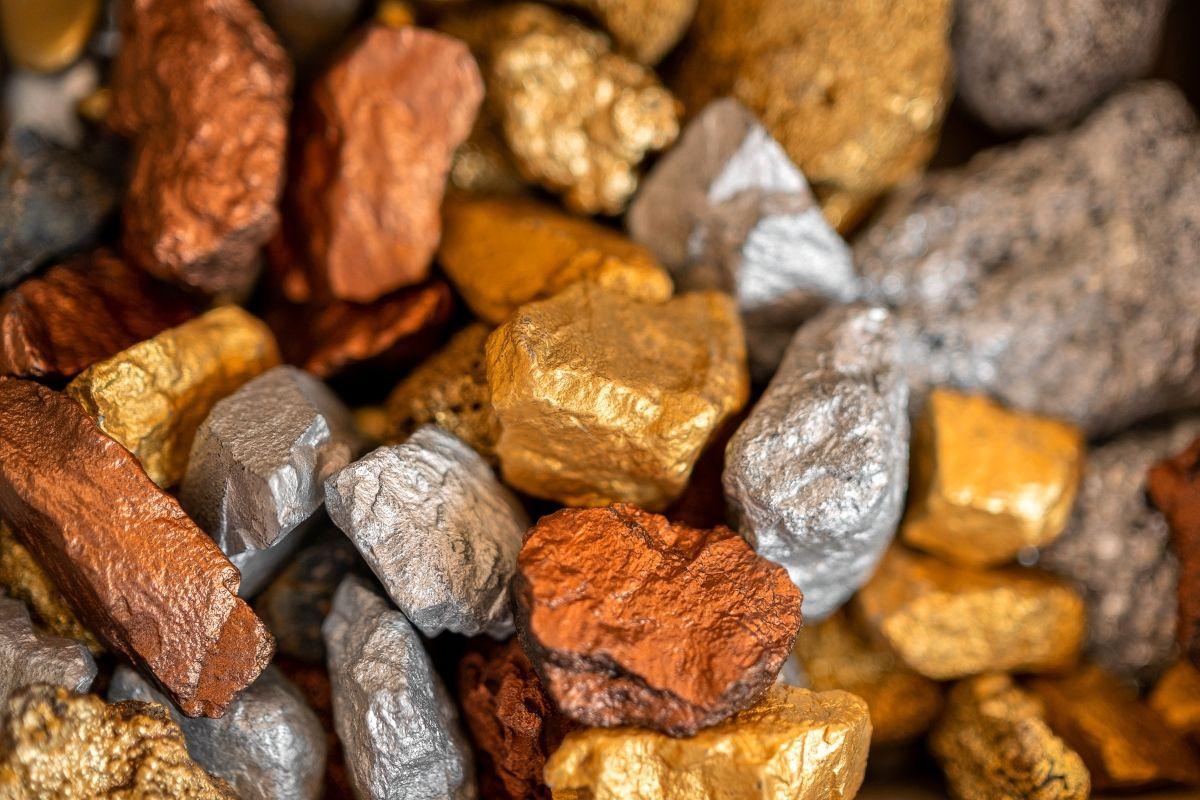
Gold rebounds from a two-week low as 2026 trading begins
Gold prices climbed on Friday, Jan. 2, 2026, as the market shook off late-December position-squaring and returned to the macro drivers that powered a historic 2025 rally. Spot gold rose 1.5% to $4,378.75 per ounce by 0553 GMT, after touching a record $4,549.71 on Dec. 26 and then sliding to a two-week low on Wednesday. February U.S. gold futures rose 1.2% to $4,392.20, a separate price for a contract that settles with February delivery.
The early-year rise affects markets because bullion has become a live input for inflation hedges and risk pricing. When gold and silver move higher together, it can add fuel to portfolio momentum across miners, FX and rates.
Fed cuts stay priced in, keeping real yields central
Gold ended 2025 up 64%, its strongest annual gain since 1979, helped by interest rate cuts, expectations of further easing, geopolitical conflict, and firm demand from central banks and exchange-traded funds. Markets have carried that framework into the new year, with investors expecting at least two Fed cuts in 2026. Those Fed cuts priced in 2026 have kept demand steady for non-yielding hedges.
U.S. weekly jobless claims fell to the fewest in a month, but the data did not materially change rate-cut pricing. Some analysts, said the precious-metals complex was repairing some of the earlier week’s selling as year-end position-squaring pressures eased and fundamentals came back into focus.
For traders, the mechanism is straightforward. Lower policy rates, or a stronger belief that they are coming, tends to pull real yields down, and non-yielding assets typically benefit when the opportunity cost falls. The same logic can work in reverse if inflation surprises push yields higher.
ETF demand and central-bank buying remain the structural support
Exchange-traded fund demand has been a notable part of the move because ETF and ETFs holdings can rise even when prices are volatile, tightening available supply for the spot market. Alongside that, central-bank buying has provided a steadier bid than short-term speculation, reducing drawdowns during risk-off weeks.
That support matters for financial markets because it can keep bullion elevated even if growth slows. A higher floor in gold can raise the cost of hedging for corporates, lift sensitivity in miner earnings, and influence cross-asset allocation when investors rotate between commodities and duration.
Silver extends its outsized run, driven by supply and industry
Silver gained again at the start of 2026, climbing 3.7% to $73.90 per ounce after setting an all-time high of $83.62 earlier in the week. The metal ended 2025 up 147%, a record yearly rise that outpaced gold.
The silver critical mineral demand theme has been part of the bid, as the metal’s designation as a critical U.S. mineral kept attention on supply security. Low inventories and supply constraints have also mattered because silver demand spans solar, electronics and investment bars, making the price more sensitive to growth expectations and supply disruptions than gold.
For markets, silver’s volatility can feed into equity dispersion. If the move is driven by industrial demand, it can support parts of the clean-energy supply chain; if it is driven by safe-haven flow, it tends to track the dollar and rates more tightly.
Platinum and palladium hold gains, with autos and industry in view
Platinum rose 2.5% to $2,105.48 per ounce after hitting a record $2,478.50 earlier in the week, and it finished 2025 up 127%, its biggest annual gain on record. Palladium rose 2.1% to $1,639.12; it ended 2025 up 76%, its best year in 15 years. The platinum and palladium gains have been supported by the same lower-rate backdrop that helped gold, while also reflecting tighter physical balances after years of weak prices.
These metals are tied more directly to industrial demand than gold, especially in the auto sector, where platinum and palladium are used in emissions systems. That link creates a different 2026 catalyst set, including vehicle production volumes and regulatory standards. Still, the macro overlay remains important because a softer dollar and lower yields can lift the whole complex.
Jason Ying, a commodities analyst at BNP Paribas, said the risks that supported precious metals last year remain in place into 2026, keeping upside in view as interest rates are expected to fall.
The most likely setup is that prices stay supported while rate-cut expectations hold and the dollar remains soft. Upside comes if inflation cools and real yields fall, reviving speculative buying in silver. Downside risk is hotter data that lifts Treasury yields and forces markets to trim the two-cut path, pressuring the complex.
What to watch next
January U.S. inflation data is the first trigger for whether the gold price rebounds in 2026 can extend, because it will determine whether real yields ease or firm. The next jobs releases, including weekly claims and payrolls, are the second trigger for how many Fed cuts stay priced in. Third, precious metals ETF inflows will show whether the rally is being reinforced by longer-term allocation rather than short-term trading. Fourth, watch silver’s physical market for inventory changes and delivery tightness, because shortages can widen premiums and lift volatility. Fifth, monitor auto production data and emissions policy signals for platinum and palladium, where industrial demand can swing faster than investment flows.
Other News

The Role of Intelligent Forex Trading Systems in Optimizing Algorithmic Trading Performance
By Tredu.com · 5/20/2026

How Machine Learning Forex Trading Bot Enhances Predictive Accuracy in Forex Markets
By Tredu.com · 5/20/2026

FinancialMarkets.media granted the Official Google Partner certification
By Tredu.com · 5/20/2026