Trump Offers United States Navy Escorts And Hormuz Tanker Insurance

By Tredu.com • 3/4/2026
Tredu
Trump Moves To Backstop Gulf Shipping As Oil Risks Surge
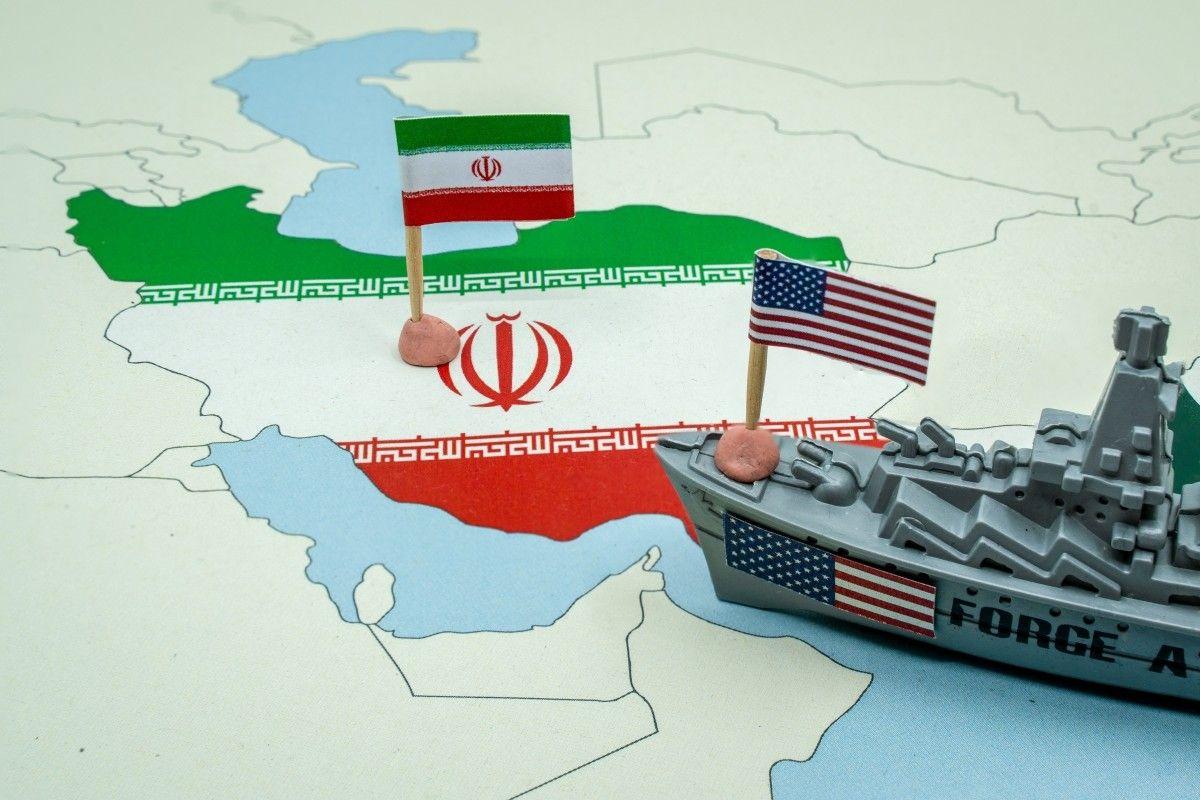
President Donald Trump said on March 3, 2026 the United States will step in to support commercial shipping in the Gulf by offering political risk insurance and financial guarantees, and by preparing United States Navy escorts for oil tankers transiting the Strait of Hormuz. The move comes after fighting involving Iran disrupted tanker traffic and pushed war-risk insurance premiums higher, raising the cost of moving crude to global buyers.
Trump described the measures as an immediate response to keep energy moving, and he added that more actions were coming. The White House push is aimed at stabilizing crude markets at a moment when fuel prices have become a front-line economic issue for households and for risk assets tied to inflation expectations.
Insurance And Guarantees Routed Through A Federal Finance Agency
The administration said the U.S. International Development Finance Corporation (DFC) will provide political risk insurance and financial security guarantees for maritime trade traveling through the Gulf, with a particular focus on energy cargoes. The plan effectively backs private shipping lines that have faced shrinking coverage and sharply higher premiums as underwriters reassess exposure in a conflict zone.
War-risk charges can change voyage economics quickly. A jump in premiums forces shippers to demand higher freight rates, encourages delays, and can push cargoes to longer routes that tie up vessels and reduce available supply. In oil markets, that mechanism can lift prompt prices and widen time spreads, even if production volumes are unchanged.
Navy Escorts Raise Deterrence, But Capacity Is A Constraint
Trump said escorts could begin “if necessary,” linking the naval option directly to the safe flow of tankers through Hormuz. U.S. naval escorts have historical precedent in the Gulf when private insurers stepped back, including during the 1980s tanker war and after the September 11, 2001 attacks, when government support helped keep trade moving.
The capacity question is immediate. As of March 2, the U.S. Navy had 12 warships in the broader Middle East theater, according to people familiar with deployments, but several are already tasked with strike operations and missile defense. Escorting commercial vessels through a threatened chokepoint would also raise operational risk, because convoys could be targeted by projectiles, drones, or small-boat attacks.
Hormuz Disruption Channel: Shipping Freezes Feed Oil And Inflation
The Strait of Hormuz is a narrow route between Iran and Oman, and around one-fifth of the world’s oil shipments typically pass through it. When traffic slows, markets do not wait for physical shortages to appear; they price the probability of supply disruption through higher crude benchmarks, higher refined-product cracks, and wider implied volatility.
Shipping data and industry commentary have pointed to a sharp reduction in transits. Some intelligence services reported traffic down more than 80% at one point versus the prior week, and estimates suggested roughly 200 tankers were waiting or stranded across the region as companies weighed whether insurance cover was available at any price.
That matters for macro markets beyond energy. Higher oil feeds headline inflation, inflation pushes rate-cut expectations back, and rates repricing tightens financial conditions. The chain can hit equities through lower multiples, widen credit spreads for transport and chemicals, and pressure currencies in net energy importers.
Who Bears The Immediate Market Impact In Equities And Credit
Energy producers and oilfield services often benefit from higher crude, but the shipping, airline, and petrochemicals complex can suffer as costs rise. Tanker operators may see headline rate support, yet that benefit can be offset by higher insurance, route detours, and idled vessels. Banks with Gulf exposure can see near-term risk premia rise in credit markets if investors price operational uncertainty into corporate cash flows.
Defense-related firms can also see renewed investor attention when naval deployments expand, although procurement timelines mean earnings effects are usually slower than the initial market move. In the Gulf, local equity markets have already shown sensitivity to conflict headlines, with trading halts and sharp index declines in early March 2026 highlighting the risk channel to regional financial hubs.
Base Case, Upside Scenario, Downside Scenario
In the base case, insurance support from DFC restores enough coverage for a portion of commercial fleets to resume transits, and the threat environment stabilizes without a sustained closure. Under that path, prompt crude prices can ease from elevated levels as stranded cargoes clear, and freight rates normalize over days to weeks as voyages restart.
In an upside scenario, naval escorts begin quickly and deter attacks on merchant shipping, leading to a visible pickup in transits and a decline in war-risk premiums. If that trigger occurs alongside a pause in strikes, oil volatility can compress, helping rate markets reprice toward earlier easing expectations and improving risk sentiment for equities, especially in energy-intensive sectors.
In a downside scenario, additional damage to tankers or port infrastructure keeps insurers on the sidelines despite federal backing, or attacks persist against escorted convoys. A sustained disruption through March 2026 would tighten near-term crude availability, lift refined-product prices, and raise the probability of a broader risk-off move that pressures high-yield credit, emerging-market foreign exchange, and cyclicals in global equities.
Political Timing Adds Pressure To Keep Fuel Costs Contained
The administration’s intervention reflects the political sensitivity of fuel prices in an election year. If energy costs remain high into the second quarter, the inflation impulse can complicate domestic economic messaging and keep market attention fixed on policy reactions, including potential releases from strategic stockpiles and additional sanctions or maritime measures.
Treasury and Energy officials were expected to present Trump with options to address market conditions, signaling that the shipping plan is part of a broader set of tools that could include financial guarantees, diplomatic pressure, and energy policy steps aimed at keeping supply moving.
Markets Now Focus On Premiums, Not Just Barrels
The immediate indicator for traders is not only the spot crude price, but also the level and direction of war-risk premiums and the number of successful transits through Hormuz. If insurance costs fall and voyages resume, the market can treat the disruption as temporary; if premiums keep rising, price discovery shifts toward scarcity and higher volatility.
Tredu readers will likely watch the same concrete signals as desks in London, Singapore, and Houston: transits, premiums, and the next operational update on escort availability.
Bottom line:
The United States is using insurance guarantees and the threat of naval escorts to reduce the risk premium embedded in Gulf energy shipments. The effectiveness will be measured by whether tankers resume Hormuz transits and whether war-risk costs retreat from crisis levels.