Gold Whipsaws As China Leverage Tightens, ETFs Stir Volatility

By Tredu.com • 2/13/2026
Tredu
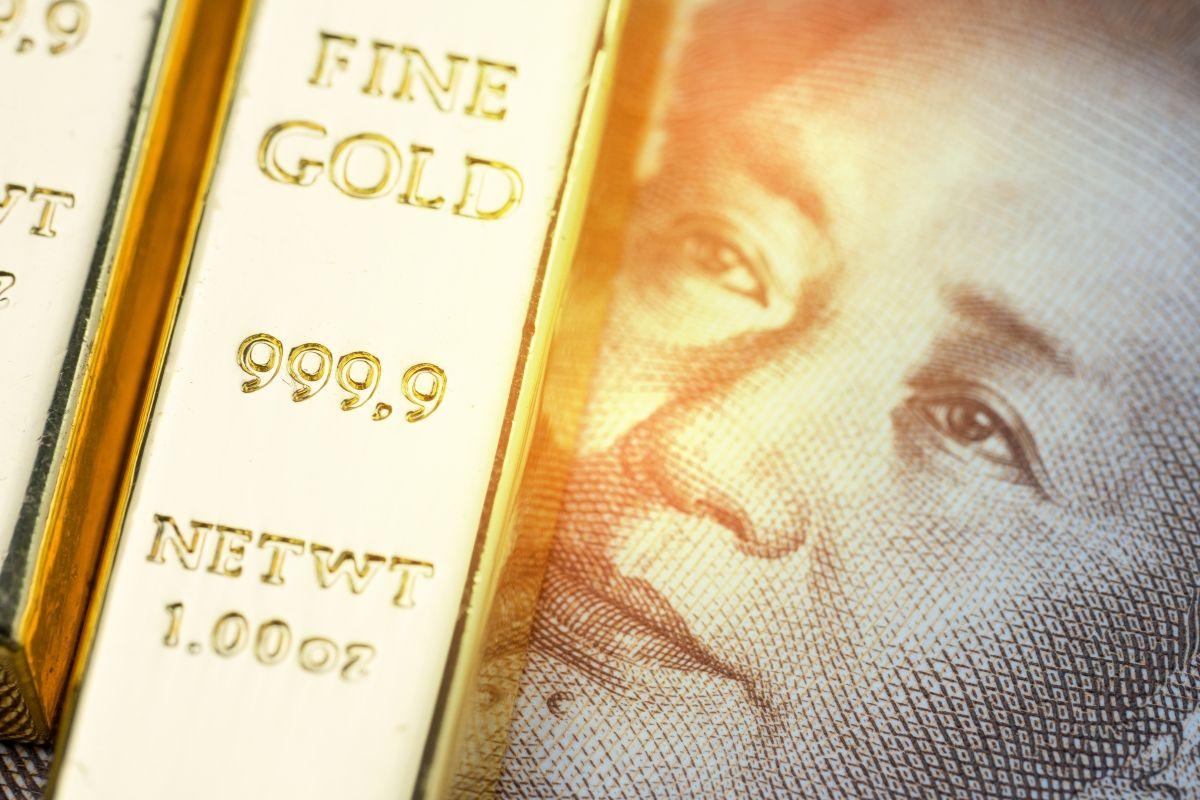
Gold Whipsaws back above $5,000 an ounce on February 13, 2026 after a sharp reversal that pulled a traditionally steady hedge into global risk pricing. Spot peaked at $5,354.80 on January 29 and U.S. futures briefly traded at $5,626 before prices fell almost 13% in two sessions, then recovered toward $5,030 as buyers returned and forced selling eased.
As the rebound gathered pace, U.S. Treasury Secretary Scott Bessent attributed much of the whipsaw to speculative activity in China, saying trading had become “unruly” and that authorities were having to tighten margin requirements. That framing is influencing positioning because it links the latest Volatility to Leverage rather than to physical tightness, a setup that can reverse quickly when financing terms change.
China Raises Margin Bars After Futures Volumes Spike
Chinese exchanges and regulators have intervened repeatedly since early December, including dozens of rule changes in roughly two months, as retail participation pushed volumes higher across metals. When an exchange tightens initial margin or raises maintenance requirements, leveraged longs must post more cash within hours, and that can force liquidations into thin liquidity, driving outsized intraday swings.
ETFs And ETF Flows Add A Fast-Money Accelerator
Gold exchange-traded funds became a major driver of the January move, with global ETFs drawing $19 billion of inflows and lifting assets under management to a record $669 billion. Those ETF Flows helped push the metal up about 14% in January, but they also increase the risk of sharp outflows because shares can be sold instantly, unlike physical bars that tend to move with longer lags.
Margin Leverage Links Bullion To Broader De-Risking
The correction showed how closely bullion is now tied to funding conditions. In futures markets, investors control large notional exposure with a small cash deposit, and a sudden margin increase can turn a winning position into a liquidity problem. That can Stir selling in equities and credit when the same investors raise cash by trimming high-beta holdings.
Central Bank Buying Supports Dips, Not Day-To-Day Prices
Official-sector demand has remained steady even as positioning swings. The People’s Bank of China lifted holdings to 74.19 million fine troy ounces in January, up about 40,000 ounces from December, extending purchases to a 15th consecutive month and taking the reported value of reserves to about $369.6 billion. Those purchases can help limit prolonged drawdowns, but they do not prevent fast selloffs driven by margins.
Rates And The Dollar Still Set The Opportunity Cost
Gold’s next leg will still track U.S. real yields and the dollar, which set the carry cost of holding a non-yielding asset. Prices fell toward $4,403 after January 30, when President Donald Trump named Kevin Warsh as the next Federal Reserve chair, a moment that shifted rate expectations. If yields rise again on hotter inflation data, gold can slide even with strong ETF demand.
Miners Reprice On Cash Flow And Hedging Decisions
Gold miners and royalty companies tend to amplify spot moves because costs such as energy and sustaining capital do not reset as quickly as revenue. A $500 swing over a few sessions can change quarterly cash flow expectations, dividend capacity and buyback plans, lifting equity volatility and widening credit spreads for more levered producers.
FX And Credit Channels Run Through Collateral And Liquidity
When gold swings on China-driven leverage shifts, the ripple can reach the yuan, Asian equity futures and dollar funding because investors hedge through liquid proxies. Tredu tracking has flagged higher variation margin calls during the largest intraday moves, tightening conditions for commodity traders who finance inventories and for dealers who warehouse risk.
Base Case: Range Trading As China Tightens Risk Controls
In the base case, gold holds a wide $4,900–$5,150 band through the first quarter as China tightens retail risk controls and ETF allocations stabilize after January’s surge. The trigger is steady margin policy into late February, which would reduce forced selling and keep bullion behaving like a hedge rather than a momentum trade.
Upside Scenario: Lower Real Yields Extend The Rally
An upside scenario emerges if U.S. real yields decline and ETF flows remain positive into March, pushing spot back toward the January highs. Triggers include softer U.S. inflation prints and continued central bank buying in emerging markets, supporting bullion and lifting large-cap miners.
Downside Scenario: Another Margin Shock Forces Deleveraging
The downside scenario is a second wave of margin tightening or a sudden dollar rally that forces leveraged longs to cut exposure again, driving spot back toward the low-$4,000s. Triggers include higher-than-expected U.S. rates pricing, a spike in funding costs, or a drop in Chinese retail volumes that pulls liquidity from futures.
Bottom line:
Gold’s latest swing is being driven less by jewelry demand and more by financing, margin rules, and ETF positioning. Markets will react most to changes in China leverage controls and U.S. real yields, because both can force rapid repositioning across assets.