Greenland Dispute Turns Into Tariff Threat, Jolting Europe Markets

By Tredu.com • 1/19/2026
Tredu
Tariff timetable ties Greenland talks to February and June deadlines
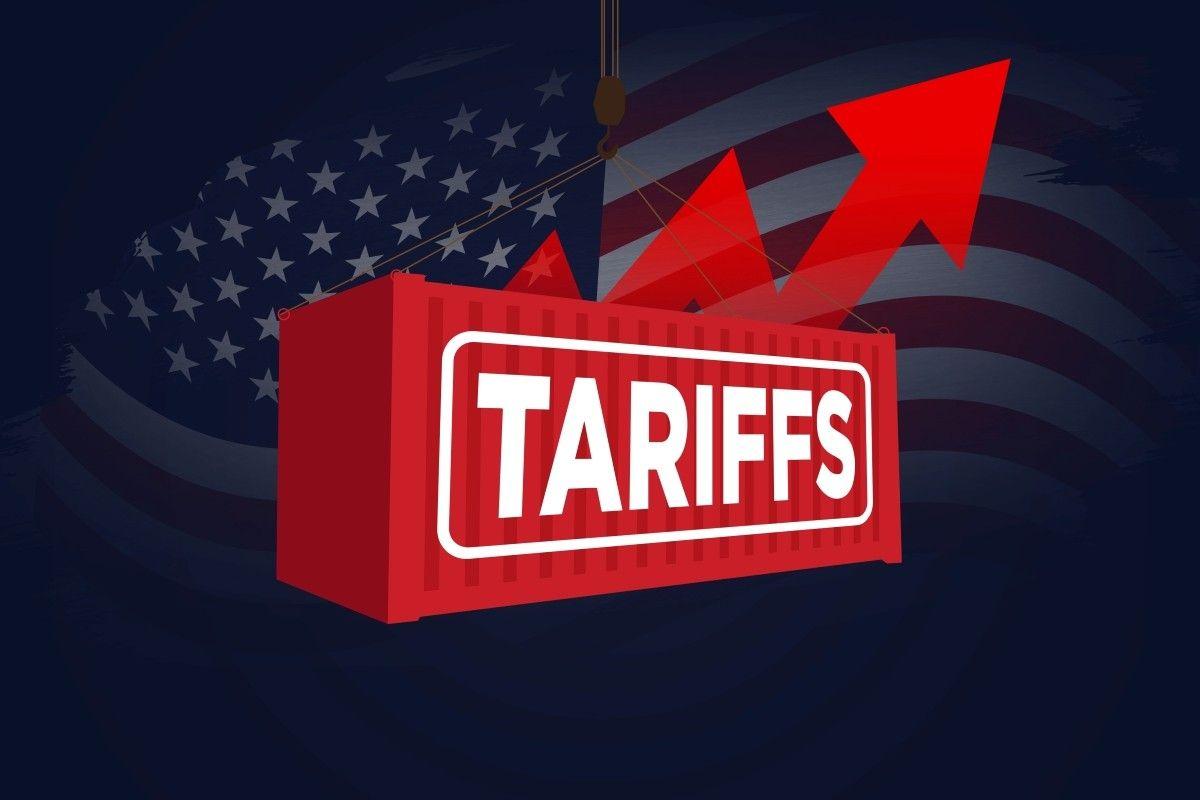
U.S. President Donald Trump set out a two-step tariff plan aimed at eight European allies, Denmark, Norway, Sweden, France, Germany, the Netherlands, Finland and Britain, linking the move to talks around Greenland and reviving trade risk for investors. Under the proposal, a 10% levy would start on February 1, then rise to 25% on June 1 unless Washington is allowed to buy Greenland, a demand European capitals have rejected.
The tariff threat tied to Greenland delivers jolts for policy planning because it attaches hard dates to an already tense diplomatic dispute. The move turns trade policy into leverage, and it keeps markets pricing higher uncertainty across transatlantic assets through the first half of 2026.
European stocks slide as exporters reprice U.S. earnings exposure
European stocks slide as traders mark down companies exposed to the U.S. consumer and to cross-border supply chains. The STOXX 600 dropped about 1.2%, with Germany and France down more than 1.3%, while U.S. stock futures were weaker after the holiday break.
Sector moves highlighted where margins look most vulnerable. Luxury shares slid around 3% and autos fell about 2.2% as investors modeled higher import costs and more aggressive discounting. Technology stocks declined close to 2.9%, reflecting both trade sensitivity and a broader risk-off rotation.
Dollar dips as havens firm and metals extend record moves
The currency reaction was unusual because it combined haven demand with a softer greenback. The dollar dips came as the euro rose about 0.4% to around $1.164 and sterling recovered toward $1.342, while the Swiss franc and yen strengthened.
Gold hit a gold record near $4,689 an ounce and silver climbed above $94 as hedging demand increased. Oil moved the other way, with Brent around $64 a barrel and U.S. crude near $59, as traders weighed whether renewed tariff pressure would cool growth expectations.
EU retaliation planning shifts from talk to concrete tools
European officials signaled they would respond if the U.S. follows through, and emergency consultations focused on two main levers. One is a suspended tariff package worth about 93 billion euros that could be reactivated. The other is the EU anti-coercion instrument, a framework that can target services, procurement and investment flows, not just goods.
German and French finance ministers said Europe would not be blackmailed over Greenland, raising the risk of tit-for-tat escalation. A services response would matter for markets because it could pull banks, insurers and large U.S. service exporters into the firing line.
Companies brace for a 10% hit first, then a harder 25% test
For corporate Europe, the first stage is manageable, but the second stage is not. A 10% tariff can often be absorbed through pricing, product mix and currency hedges, yet a move to 25% forces tougher choices, including shifting production, rerouting components or accepting lower margins to defend share.
Automakers and luxury groups sit near the front of the line because the U.S. is a major profit pool. The prospect of a June step-up adds jolting uncertainty to procurement calendars, as firms weigh pulling orders forward ahead of February 1 and building inventory buffers that tie up working capital.
Investors revisit U.S. concentration as Europe holds $8 trillion of assets
Beyond the day’s selloff, the episode revived a portfolio question about concentration in U.S. assets. European countries hold roughly $8 trillion in U.S. equities and bonds, and any incremental rebalancing can influence global flows even if there is no wholesale shift.
Deutsche Bank strategist George Saravelos said a sustained deterioration in alliance stability can make Europe reassess how much exposure it wants to U.S. markets. Handelsbanken currency strategist Tommy von Brömsen said a weaker dollar during a geopolitical flare-up fits a world where policy uncertainty is seen as Washington-driven.
What to watch before February 1 and ahead of the June escalation
The base case is that negotiations intensify and the initial tariff rate is softened through exemptions, delays or a narrower product scope, limiting near-term economic damage. A pending U.S. Supreme Court decision on tariff powers is another catalyst, because it shapes how durable any announcement looks to investors.
The upside scenario for risk assets requires early de-escalation that restores predictability for exporters and supply chains. The downside scenario is a drift toward June with no compromise, lifting tariffs toward 25% and inviting EU retaliation. If that path holds, markets are likely to keep gold supported, price higher volatility across European equities, and treat the dollar with less of its usual haven premium.