How Machine Learning Forex Trading Bot Enhances Predictive Accuracy in Forex Markets

By Tredu.com • 5/20/2026
Tredu
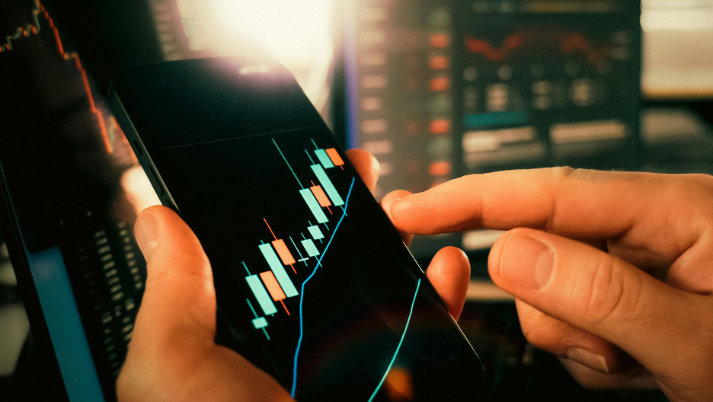
The forex market can feel like open water in a storm. Sentiment shifts quickly, trends reverse without warning and even experienced traders can be caught on the wrong side of a move. Navigating that kind of environment takes more than instinct alone. It increasingly requires tools that can learn, adjust and respond as conditions change. While older systems relied on fixed rules that often became outdated, newer technology is designed to adapt in real time.
Success in currency trading often comes down to how well you process information under pressure. Most people cannot track dozens of economic indicators, shifting correlations and live positions all at once.
That is where data-driven systems come in. By handing the heavy analytical work to intelligent software, you can move away from reactive decision-making and toward a more structured approach.
The Evolution of Adaptive Trading
Many traditional automated systems are rigid. They operate on simple “if-this-then-that” logic and can struggle when market conditions change. A machine learning forex trading bot works differently. Instead of blindly following the same rules, it can recognize when a strategy is losing effectiveness and adjust based on new market behavior.
These systems analyze price action as it unfolds, using incoming data to refine their internal models. Rather than relying only on how markets behaved months ago, they respond to what is happening now.
That adaptability helps separate newer tools from the static robots of the past. Instead of manually changing settings every time interest rates shift or volatility rises, the software can detect those changes and recalibrate. It offers flexibility that may resemble human intuition, but with the speed and consistency of a computer.
Decoding Market Sentiment
Price movements are often driven by emotion as much as economics. A currency pair can fall despite positive data if traders are focused on a separate geopolitical concern or broader risk fears. As a result, understanding sentiment has become increasingly important.
Some intelligent systems use natural language processing to assess headlines, financial reports and social media commentary to estimate the market’s overall mood. That additional layer of context can help filter weak or high-risk signals.
This may include:
- Avoiding bull traps where prices rise briefly before reversing sharply
- Identifying support areas based on previous buyer activity
- Tracking relationships between markets such as gold and the US Dollar
- Staying out of unstable conditions during irrational price swings
Used carefully, sentiment analysis can add another perspective beyond charts alone.
Precision Through Pattern Recognition
One of the biggest strengths of machine learning is pattern recognition. Markets often move in complex, non-linear ways that are difficult to detect with the naked eye.
A trader may spot a familiar chart pattern, but a machine can evaluate thousands of smaller variables behind that move, including changes in liquidity, order-flow behavior and recurring statistical relationships.
That deeper level of analysis can improve predictive accuracy because decisions are based on broader data sets rather than visual impressions alone.
When a recurring sequence that has historically preceded a meaningful move appears, the system can quickly highlight the setup. This may reduce the hesitation many traders feel when monitoring several charts at once.
Instead of relying entirely on instinct, you are working with signals backed by historical and real-time comparisons.
Removing the Emotional Burden
Most traders understand how emotion can damage results. Revenge trading after a loss, panic selling or holding losing positions too long are common mistakes. These reactions are often more harmful than the strategy itself.
A machine does not experience frustration, fear or overconfidence. It simply follows the programmed framework.
That can create a useful distance between the trader and the market. Rather than making every decision in the heat of the moment, you can focus more on oversight, risk controls and long-term planning.
It also helps maintain consistency. Stop losses, position sizing rules and entry conditions are less likely to be ignored when execution is automated.
Building a Sustainable Edge
The purpose of advanced technology is not to provide a guaranteed shortcut to wealth. It is to help build a more sustainable edge in a highly competitive market.
As institutional firms continue using faster and more sophisticated systems, retail traders often look for ways to keep pace. Tools that combine multiple data sources, such as bond yields, stock index volatility and currency flows, can offer a wider view of market conditions.
That broader perspective may reveal relationships that are easy to miss when looking at a single chart.
It can also help you better understand where larger pools of capital may be moving, allowing for more strategic positioning rather than reactive guessing.
As these systems continue to learn from new data, they may become more refined in their responses to the behavior of specific currency pairs. That ongoing adjustment is one reason machine learning has drawn attention across financial markets.
In the end, the strongest results often come from balance. Human judgment still matters, especially when setting objectives, reviewing risk and understanding broader context. But when combined with disciplined automation, a machine-learning forex trading bot can support a more measured, resilient and informed approach to the world’s largest financial market.
Other News
The Role of Intelligent Forex Trading Systems in Optimizing Algorithmic Trading Performance
By Tredu.com · 5/20/2026

FinancialMarkets.media granted the Official Google Partner certification
By Tredu.com · 5/20/2026
The Oil Market Is Exploding Again as Volatility Fuels Trading Surge
By Tredu.com · 5/6/2026