The Role of Intelligent Forex Trading Systems in Optimizing Algorithmic Trading Performance

By Tredu.com • 5/20/2026
Tredu
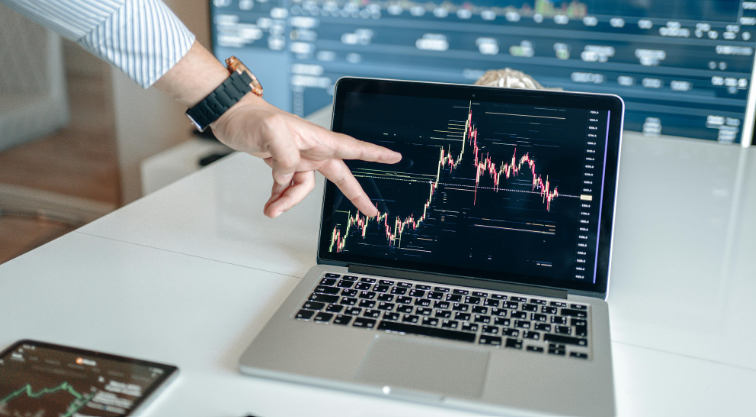
The following article explores how modern technology is really changing the way individuals engage with global currency markets. You will see how moving from manual oversight to automated logic can help bring more structure to the often unpredictable world of foreign exchange.
Trading in the digital age is really no longer just about watching charts and reacting in the moment. It has become a more disciplined activity where speed, consistency and emotional control matter.
One of the biggest challenges for many traders is staying steady when markets move faster than human reactions allow. That is where technology and strategy now meet in practical ways, helping people navigate global markets with clearer processes and fewer impulsive decisions.
Moving Beyond Simple Automation
Early forms of automation were often rigid and struggled when market conditions changed quickly. Many relied on basic “if-then” rules that could break down during volatile events such as central bank announcements or unexpected data releases.
Today, attention has shifted toward systems that can assess changing conditions rather than simply follow static instructions.
By using intelligent forex trading systems, you can process large amounts of market data across multiple timeframes without the fatigue that often leads to human error. That means a strategy can remain active during major sessions such as London or New York, even when you are away from your desk.
Instead of constant manual monitoring, the focus moves toward oversight, review and refinement.
The Power of Data-Driven Discipline
A common challenge in trading is managing emotions. Losing streaks can create hesitation, while winning runs can lead to overconfidence. Automated execution helps reduce both extremes by following preset rules that do not change with mood or stress.
Modern frameworks often use detailed historical and live data so that each trade decision is based on measurable conditions rather than instinct. This can make decision-making more consistent during fast-moving markets.
- Objective Analysis: The system reviews price action and indicators without bias, avoiding the “gut feelings” that often create costly mistakes.
- Rapid Execution: Orders can be placed in milliseconds, reducing the delays manual traders often face when markets move quickly.
- Consistent Monitoring: Every price movement can be measured against the strategy's rules, helping risk controls remain consistent across positions.
Together, these elements create a more structured trading environment. When emotional reactions play a smaller role, trading becomes less about guessing and more about following a repeatable process. For many participants, that shift in mindset is as valuable as the technology itself.
Prioritizing Capital Protection
Protecting capital matters as much as pursuing returns. In leveraged markets, gains and losses can both be amplified, so risk controls are essential.
Modern algorithmic tools often include risk management features that adjust position sizes according to account balance and market volatility. When intelligent forex trading systems are part of a workflow, stop-loss rules, drawdown limits and exposure controls can be applied automatically.
This helps reduce the impact of a single abnormal market move or poorly timed decision.
No system removes risk entirely, but structured safeguards can help limit avoidable damage.
The Role of Rigorous Testing
Before any strategy is implemented in real life, it has to undergo rigorous testing. This generally consists of testing the logic using several years' worth of historical market data.
Thereby checking whether it was able to work through the changes brought by economic trends and other external forces, whether it was a boom or a recession, policy changes or even sudden market disruptions.
A good test takes into account practical parameters such as spreads, slippage and volatility fluctuations, which might otherwise make the system appear better than it actually is. Execution times, liquidity and different brokerage rates could also affect the accuracy of the results when compared with actual performance.
This step helps traders evaluate whether the trading strategy is robust or relies primarily on a particular market state. It also provides assurance that the whole process is backed by facts, not mere luck.
Adapting to a Changing Financial World
Market dynamics keep on shifting and therefore systems must change alongside them. Modern systems will always be geared towards reacting to different market scenarios, including trends, volatility changes or even range-bound markets.
Systems will sometimes reduce exposure, adjust their timing and decrease their speed to trade when conditions become unfavorable and help them react accordingly to prevailing market behavior.
This ability to adapt makes automation highly important in the modern market environment, where news from institutions, economics and other sources affects markets. Using tools that combine data and execution can prove advantageous when sentiments shift rapidly following significant announcements or global events.
It is important that these frameworks are not based upon models that fail under stress.
This is why modern approaches seek automation frameworks that can adapt to the set rules without sacrificing efficiency. While the main goal is not to engage in quick trading at all costs, the ultimate strategy aims at sustainability based on a solid discipline, well-calculated risks and smart decisions.