Iran Nears China Supersonic Missile Deal, Lifting Gulf Oil Premium

By Tredu.com • 2/24/2026
Tredu
Iran Moves Toward Chinese CM-302 Purchase As United States Deadline Nears
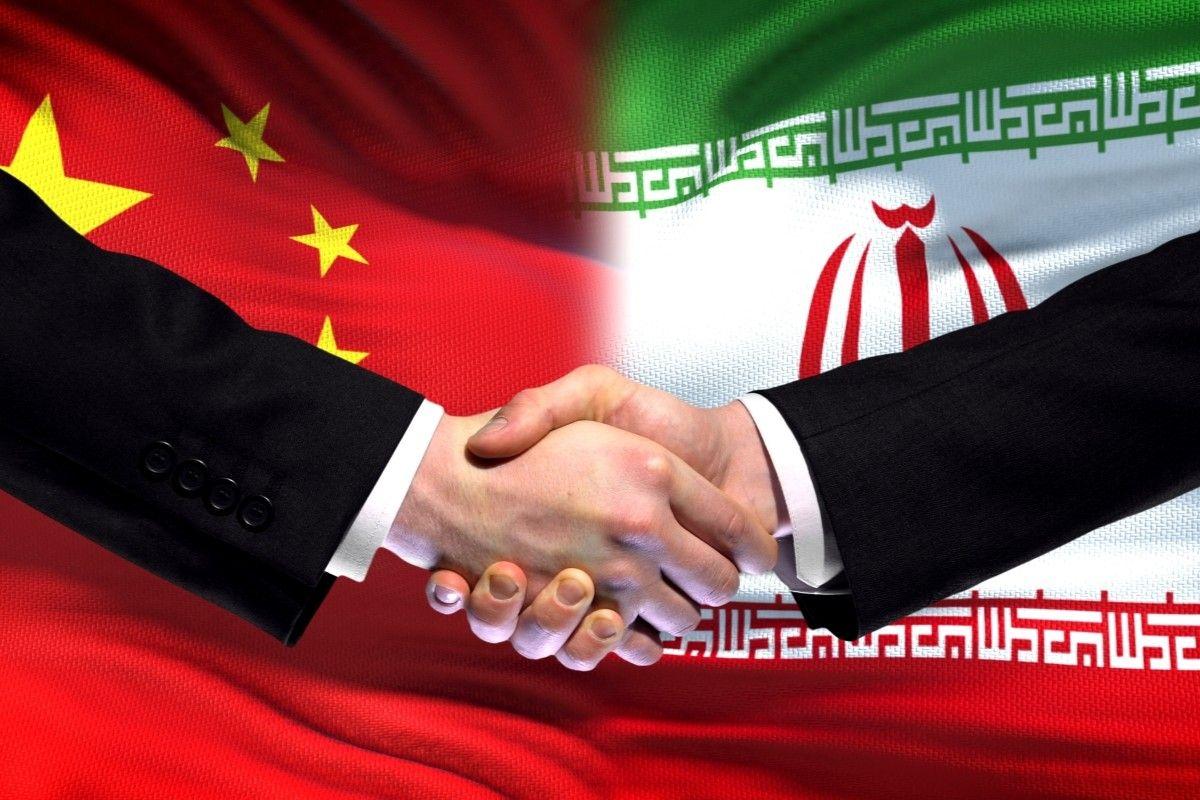
Iran is close to a deal with China to buy CM-302 supersonic anti-ship cruise missiles, a step that would strengthen Tehran’s coastal strike posture and keep the Gulf oil premium elevated in late February 2026. Markets care because the United States has surged naval forces into the region and set a short diplomatic clock, raising the odds of abrupt swings in risk assets, energy prices, and shipping costs.
Negotiations Tighten After June 2025 Israel-Iran War
People familiar with the talks say negotiations began at least two years ago and accelerated after the 12-day Israel-Iran war in June 2025. As discussions entered final stages last summer, Deputy Defense Minister Massoud Oraei visited China, highlighting the political importance of the missile deal. No delivery date, price, or quantity has been disclosed, leaving investors to price a wide range of outcomes.
What The Supersonic Missile Adds To Maritime Deterrence
The CM-302 is described as a supersonic anti-ship missile with an estimated range of about 290 kilometers, designed to fly low and fast, shortening reaction time for ship defenses. China Aerospace Science and Industry Corporation markets the system as suitable for large surface targets and adaptable across launch platforms, which can expand coverage without changing geography. The market mechanism is higher perceived disruption risk around key sea lanes, which can lift implied volatility in oil and freight hedges.
Sanctions Risk Sits Behind The Hardware Story
A transfer of advanced missiles would run into a United Nations weapons embargo first imposed in 2006, suspended under the 2015 nuclear accord, and reinstated in September 2025. That backdrop matters because extra sanctions, export-control actions, or maritime enforcement can raise compliance costs for banks, insurers, shipowners, and commodity traders. China’s foreign ministry said it was not aware of the reported talks, keeping policy intent uncertain.
Carrier Deployments Create A March 1 Decision Window
The United States has assembled major forces near Iran, including the aircraft carrier USS Abraham Lincoln and its strike group, while the USS Gerald R. Ford and escorts head toward the region. Together, the two carriers can field more than 5,000 personnel and about 150 aircraft, a scale that pushes hedging demand higher across global portfolios. As March 1 Nears, trading desks are focused on President Donald Trump’s February 19 statement giving Iran 10 days to reach an agreement over its nuclear program, turning that date into a hard catalyst.
Oil, Freight, And Insurance Move First When The Gulf Premium Lifts
When Gulf security risk rises, crude markets often reprice through a wider front-month premium, richer put skew, and steeper time spreads if traders fear near-term disruption. Even without a supply outage, war-risk insurance and rerouting can lift tanker day rates and raise delivered fuel costs, tightening margins for refiners and airlines. The Strait of Hormuz remains the main chokepoint for regional exports, so any jump in perceived anti-ship threat can flow quickly into energy and shipping volatility.
Equities, Credit, And FX Reprice Through Risk Sentiment
In equities, higher tension can support select defense and maritime-security names, while pressuring transport, travel, and import-heavy sectors if fuel costs rise. In credit, risk-off episodes tend to widen high-yield spreads first, while integrated energy issuers can see stronger cash flow if crude holds higher. Tredu risk models often treat the dollar and yen as preferred havens in these swings, while high-beta currencies weaken when volatility spikes and rate uncertainty increases.
Beijing-Tehran Ties Add A Second Diplomatic Track
China, Iran, and Russia run annual joint naval exercises, and Beijing hosted Iranian President Masoud Pezeshkian at a military parade in September 2025. United States authorities have previously sanctioned Chinese entities for alleged supply of chemical precursors linked to Iran’s missile work, and further measures could hit exporters via payment and shipping restrictions. People familiar with the talks say Iran is also discussing other Chinese systems, which broadens exposure to export controls and keeps the regional premium in focus.
Market Scenarios As The Premium Rises
Base case: the deal remains near completion, but deliveries slip into late 2026, while nuclear talks extend past March 1 with intermittent escalation. In this path, the Gulf oil premium stays Lifting options pricing and freight hedges, but spot crude avoids a sustained spike unless insurance costs surge.
Upside scenario: Iran and the United States reach a verifiable nuclear framework before March 1, and Beijing signals restraint on weapons transfers, reducing the probability of maritime disruption. The trigger would be a formal agreement that lowers sanctions risk, pulling down front-end volatility and supporting transport and cyclical equities.
Downside scenario: the purchase is finalized with a defined schedule and is followed by military action or retaliation around Gulf shipping routes. The trigger would be a breakdown in talks combined with visible force movements, pushing crude higher, widening credit spreads, and driving a flight to safety that lifts rates volatility and pressures emerging-market assets.
Bottom line:
A near-term decision window is colliding with reports of a major weapons transfer, which can keep the Gulf oil premium firm even without physical disruption. The next pricing test is whether March 1 delivers a diplomatic path, or a wider escalation risk that spills into freight, credit, and FX volatility.