Is Forex Trading Right for You? Evaluating Experience Level, Risk Tolerance, and Platform Fit

By Tredu.com • 12/24/2025
Tredu
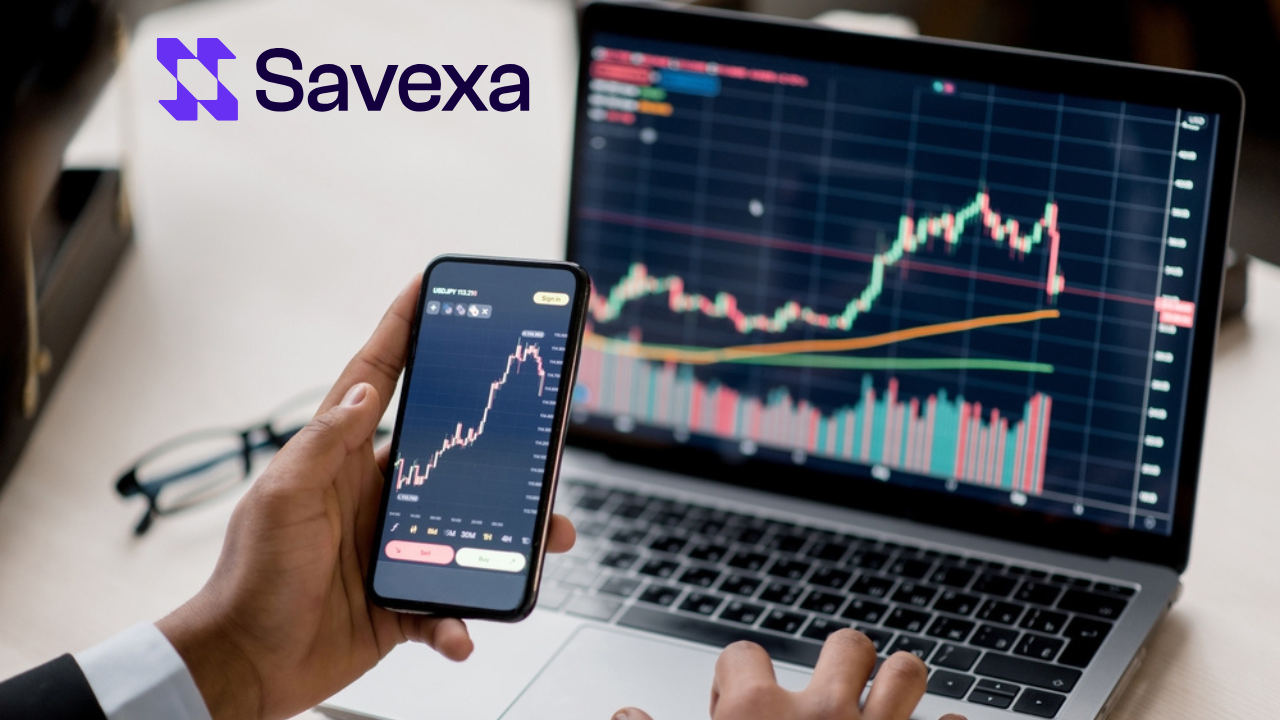
Forex trading is a highly liquid and accessible market, attracting participants worldwide with opportunities to engage in major, minor, and exotic currency pairs. However, the same accessibility that draws traders also carries inherent risks. Understanding whether forex trading is appropriate for an individual involves evaluating experience level, risk tolerance, and platform suitability.
This article provides an objective perspective to help potential traders make informed decisions without encouraging speculative behavior or unrealistic expectations.
Understanding the Knowledge Requirements
Forex trading requires a solid grasp of market mechanics and technical factors. Successful traders generally understand:
- Currency pair behavior: How exchange rates are influenced by macroeconomic events, interest rates, and geopolitical developments
- Market analysis methods: Technical indicators, chart patterns, and fundamental analysis
- Order types and execution: Market orders, limit orders, and stop-losses, and how they interact with platform infrastructure
Individuals without this foundational knowledge may face challenges when navigating price volatility, executing trades effectively, or assessing risk. Platforms that offer educational content, tutorials, and demo accounts can support learning, but practical experience remains critical.
Assessing Risk Tolerance
Risk tolerance refers to the ability to endure potential losses without compromising financial stability or psychological well-being. Forex trading, particularly with leveraged positions, can result in rapid account fluctuations. Traders should consider:
- Financial capacity: Only funds that can be risked without affecting essential living expenses should be allocated to trading
- Emotional resilience: The ability to make disciplined decisions under market pressure, avoiding impulsive reactions to short-term movements
- Loss acceptance: Understanding that losses are part of trading, even with careful planning
Platforms offering risk management tools, such as stop-loss orders, margin alerts, and position monitoring, can help traders align their exposure with personal risk limits. Reviewing these features before committing capital is an essential part of evaluating platform suitability.
Platform Fit: Matching Tools to Experience
Not all trading platforms are equally suitable for every trader. Factors to consider when evaluating platform fit include:
- Interface complexity: Beginners may benefit from intuitive dashboards, while experienced traders often prefer advanced charting and customization options
- Execution reliability: Fast and accurate order execution is critical, particularly for strategies that rely on timely entry and exit
- Asset availability: Platforms offering a diverse range of currency pairs and other instruments allow traders to diversify exposure
- Support and resources: Responsive customer service and educational materials support decision-making and troubleshooting
Neutral evaluation of platforms, rather than relying on marketing claims, helps traders select an environment that aligns with their experience and trading objectives. For example, platforms like Savexa provide transparent details on trading tools, execution policies, and account types, allowing traders to assess fit before opening an account.
Psychological Considerations
Forex trading is not purely analytical; it requires mental discipline. Traders must manage emotions such as fear, overconfidence, or frustration, which can influence decision-making. Setting predefined trading rules, following risk management protocols, and maintaining realistic expectations are essential habits for maintaining consistent performance over time.
Who May Find Forex Trading Suitable
While forex trading is not appropriate for everyone, individuals who may find it suitable typically:
- Have adequate market knowledge and a willingness to continue learning
- Can tolerate financial risk without significant personal or emotional disruption
- Prefer platforms that provide transparency, educational resources, and risk management tools
- Are prepared to engage with markets actively and apply disciplined trading practices
Conversely, those with limited financial capacity, low risk tolerance, or minimal knowledge of currency markets may find that trading is unsuitable, regardless of platform features.
Risks and Limitations
Forex trading involves substantial risk, and leveraged positions can result in losses exceeding initial deposits. Market fluctuations, geopolitical events, and economic data releases can produce rapid and unpredictable changes in currency prices. Risk management tools and platform features may help control exposure but cannot eliminate risk.
This article is provided for informational purposes only and does not constitute financial advice, an investment recommendation, or an offer to trade. Prospective traders should conduct independent research and consider consulting licensed financial professionals before engaging in forex trading.
Conclusion
Determining whether forex trading is right for an individual requires careful evaluation of knowledge, psychological discipline, financial capacity, and platform suitability. While the market offers opportunities, it also carries inherent risks that demand awareness and responsible participation.
By reviewing educational resources, risk management tools, and transparent platform information, traders can make more informed decisions aligned with their personal objectives.
Other News
The Role of Intelligent Forex Trading Systems in Optimizing Algorithmic Trading Performance
By Tredu.com · 5/20/2026
How Machine Learning Forex Trading Bot Enhances Predictive Accuracy in Forex Markets
By Tredu.com · 5/20/2026

FinancialMarkets.media granted the Official Google Partner certification
By Tredu.com · 5/20/2026