Japan And US Aim To Add Nuclear Power Project To $550 Billion Package

By Tredu.com • 3/4/2026
Tredu
Japan-US Nuclear Push Targets Energy Security As War Risk Lifts The Premium
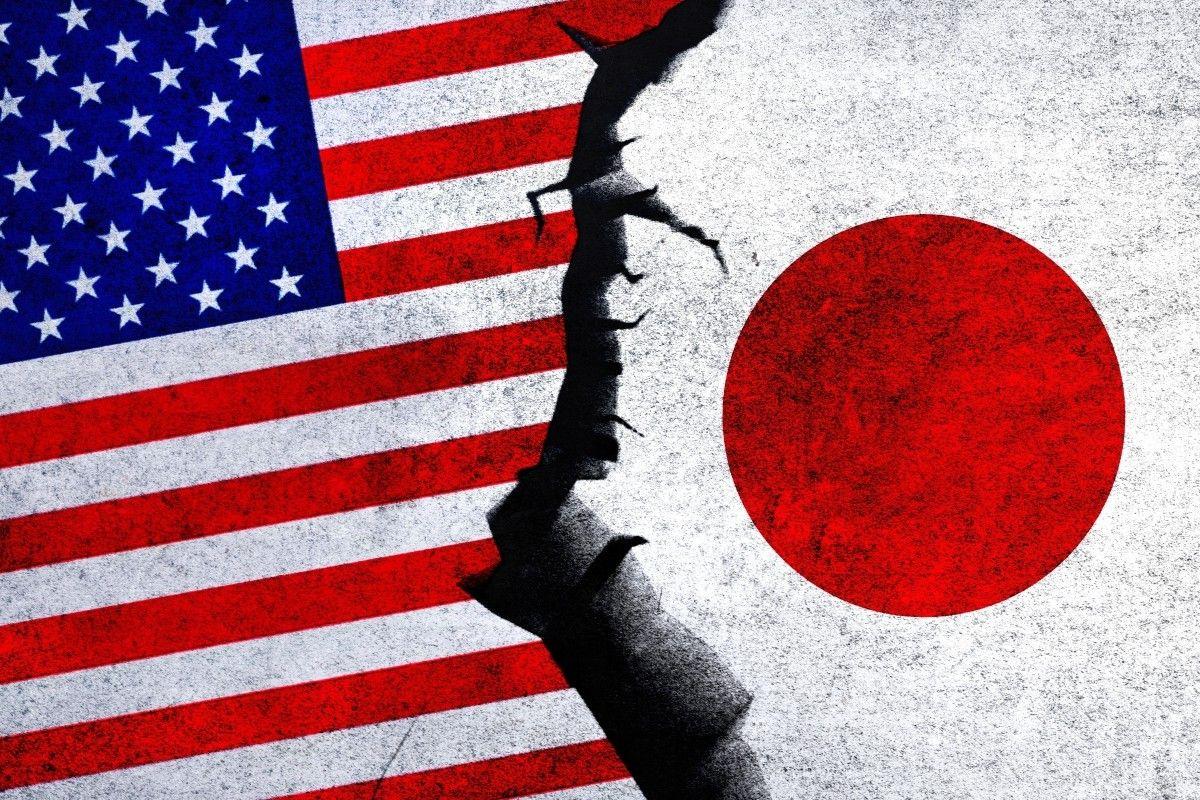
Japan and the US are moving to add a Nuclear Power Project into the second round of initiatives under Japan’s $550 Billion Investment Package, according to people familiar with discussions. The effort is framed as an energy Security response to heightened geopolitical instability and fuel price volatility, with the goal of locking in stable baseload supply and deepening industrial cooperation.
For markets, the key point is that nuclear projects are long-duration, policy-backed capital spending. That combination can reprice utilities, heavy industry suppliers, and select commodity exposures, while also changing rate sensitivity for infrastructure-linked cash flows. In practical terms, the package approach aims to reduce reliance on marginal fuel markets that can tighten abruptly during conflict-driven shipping and insurance stress.
March 19 Meeting Sets The Next Timing Marker
The nuclear initiative is expected to be among several deals that could be announced around a March 19 meeting between Japan’s Prime Minister Sanae Takaichi and US President Donald Trump. That calendar matters because deal headlines tend to drive near-term sector rotation, especially when investors are already trading energy risk premia.
A structured announcement window also raises the probability that project details, counterparties, and financing frameworks will arrive together, which can tighten spreads for involved issuers and lift valuation support for exposed suppliers.
Westinghouse Anchors The Project, With A Broader Reactor Pipeline In View
The planned nuclear addition is expected to involve Westinghouse, a major reactor technology provider. Westinghouse has been exploring a pipeline of possible projects valued up to $100 billion, spanning both pressurized water reactors and small modular reactors.
Small modular reactors, if deployed at scale, can shift the capital profile of nuclear builds by reducing project size and shortening construction cycles versus mega-projects. The market impact is that smaller units can broaden the buyer base, including industrial users and regional utilities, which can lift demand for standardized components, fuel services, and long-term maintenance contracts.
Japanese Industrial Groups Could Join The Supply Chain
Japanese firms that may be involved include large heavy-industry and engineering players such as Mitsubishi Heavy Industries, Toshiba, and IHI. Their potential participation matters because the economic benefit for Japan is not only electricity output but also exportable manufacturing and engineering work that can support earnings visibility across multiple years.
That is the channel through which the Japan and US cooperation becomes investable: multi-year order backlogs, service contracts, and higher utilization for factories producing turbines, generators, safety systems, control equipment, and specialized steel and forgings.
The $550 Billion Package Builds On Earlier Deals
Japan’s $550 billion investment package is designed as a broad umbrella to advance economic ties and reduce energy vulnerability. The nuclear element would be added to a second round of projects, building on earlier commitments that included three projects valued at about $36 billion and a natural gas power plant in Ohio.
The sequencing matters because nuclear does not replace gas immediately. Instead, it shifts the medium-term mix by adding firm capacity that can lower sensitivity to LNG spot spikes and pipeline constraints. In an environment where energy security tightens, investors often reward assets and policies that reduce tail risks rather than optimize for short-run cost.
Copper And Grid Metals Signal The Wider Electrification Theme
Parallel discussions include a possible copper smelting and refining facility, with a proposed project size discussed in the low single-digit billions of dollars. That matters because nuclear buildouts tend to pull through grid upgrades, which require large volumes of copper, aluminum, transformers, switchgear, and high-voltage cabling.
If a copper facility proceeds alongside nuclear initiatives, it suggests policymakers are trying to address two bottlenecks at once: secure power generation and secure materials processing. The investment implication is a broader uplift in demand for electrical equipment manufacturers, EPC contractors, and select shipping and logistics providers, even if project timelines stretch into 2027–2030.
Market Channels: Equities, Rates, Credit, FX, Commodities, Volatility
Equities: The most direct beneficiaries are nuclear-exposed utilities, reactor and services suppliers, and grid equipment companies. A credible cross-border framework can also support Japanese industrial conglomerates by improving the probability of repeat orders. US-listed infrastructure and engineering names can benefit if procurement expands across multiple sites and states.
Rates and bonds: Nuclear and grid spending is capex-heavy and long dated, so it is sensitive to real yields. If risk-off conditions push yields down, the net present value of contracted infrastructure cash flows rises. If inflation stays sticky and yields rise, project economics rely more heavily on regulated returns, government support, and cost pass-through.
Credit spreads: Well-structured, policy-backed projects can tighten spreads for investment-grade issuers involved in regulated generation and long-term service contracts. The risk is construction and execution. Cost overruns or permitting delays can widen spreads for contractors and for utilities with ambitious build schedules.
FX: Japan-US deal headlines can support the yen at the margin if they are perceived to improve Japan’s terms of trade over time by reducing imported fuel dependence. In the near term, large capital imports can still create dollar demand tied to equipment procurement.
Commodities: Uranium sensitivity rises when nuclear policy support broadens, while copper and aluminum can move on grid capex expectations. Oil and LNG can face a longer-run demand risk if nuclear additions scale, but near-term price action will still be dominated by current supply and geopolitics.
Volatility: Infrastructure announcements can lower macro volatility if they are seen as reducing energy shock exposure, but single-name volatility can rise for suppliers as investors price backlog, margins, and execution risk.
Base Case, Upside Scenario, Downside Scenario
Base case: The Japan-US framework adds the nuclear power project to the $550 billion package and delivers a staged set of agreements by March 19 or soon after, with feasibility and partner selection work continuing through 2026. Trigger: a formal project slate that names counterparties and outlines financing and regulatory milestones.
Upside scenario: Small modular reactors become a priority, allowing multiple sites and faster early deployments, which adds scale for suppliers and supports tighter credit pricing for involved utilities. Trigger: a follow-on pipeline that expands beyond one project and includes clear procurement volumes and timelines.
Downside scenario: Permitting, cost inflation, or political pushback delays the nuclear add-on and pushes capex decisions into late 2026, reducing the near-term equity uplift and keeping energy security concerns priced through oil and gas. Trigger: lack of firm commitments, unclear financing, or extended regulatory timelines that postpone final investment decisions.
Bottom line:
Japan and the US are trying to add a nuclear power project to a $550 billion investment package as energy security becomes a market variable again. The winners will be the supply chains that can deliver on cost and schedule, because execution will determine whether this becomes a durable capex cycle or just a headline.