Kim Missile Test and Nuclear Submarine Build Jolt Asia Markets

By Tredu.com • 12/25/2025
Tredu
Kim steps up weapons signaling as investors reprice regional risk
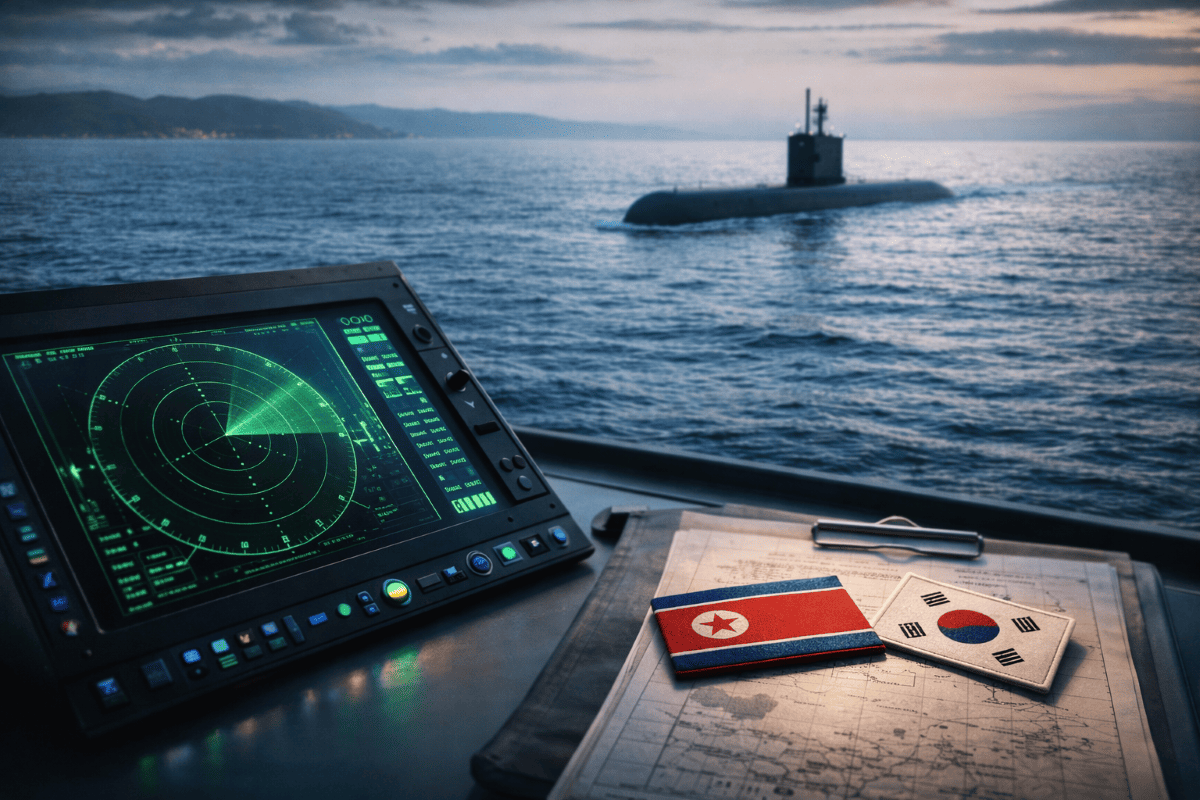
North Korea’s leader, Kim Jong Un, oversaw a test-firing of a long-range surface-to-air missile and inspected construction progress on a nuclear-powered submarine, a twin signal that can jolt Asia markets even when immediate economic spillovers look limited. The events, disclosed on December 24, 2025, add to a late-year stretch of security headlines that investors treat as tail-risk inputs, not base-case forecasts, but inputs that still shape hedging, defense-sector positioning, and currency sensitivity.
The missile test, reported as successful, was described as hitting aerial targets from about 200 kilometers away off the country’s east coast. South Korea’s military said it had been tracking preparations and confirmed the launch timing, an acknowledgement that regional forces are on elevated alert. Separately, Kim visited a shipbuilding facility linked to an 8,700-ton nuclear-powered submarine project, highlighting a naval modernization effort aimed at survivable deterrence and longer-range strike options.
What happened and why it matters for markets
Security events move markets through probability shifts. The immediate question is not whether this changes tomorrow’s trade flows, but whether it changes the perceived path of escalation risk into 2026. A long-range missile test and a nuclear submarine build raise Asia risk in a way that can influence how investors price defense budgets, sanctions enforcement, and diplomatic room for de-escalation.
That risk premium tends to show up first in volatility and FX rather than in broad equities. When geopolitical noise rises, investors often lean toward the U.S. dollar, reduce exposure to the most externally sensitive Asian currencies, and add hedges around regional equities. The move can be modest if follow-up is quiet, but it can compound quickly if additional tests or responses arrive in the same week.
The submarine angle is about endurance, not headlines
Missile tests are frequent enough that markets can become desensitized. The submarine storyline is different because it speaks to long-run capability. A nuclear-powered submarine, if operational, implies greater endurance, longer patrol ranges, and a platform that is harder to track than fixed launch sites. For investors, this type of capability can extend the timeline of tension. It also increases the perceived complexity of deterrence in Northeast Asia, which tends to support a persistent, even if small, geopolitical premium.
Kim’s emphasis on naval expansion also points to a broader push: building or accelerating attack destroyers and submarine capacity as a response to what Pyongyang describes as rising external threats. That framing increases the likelihood that this is not a one-off signal, but part of a campaign of demonstrations designed to shape negotiating leverage.
How Asia markets typically react to a risk premium shock
When security risk rises, markets often react in a familiar sequence. First, implied volatility lifts, especially in currencies and rate products tied to risk sentiment. Second, defense and security-adjacent equities can catch a bid, particularly firms exposed to surveillance, aerospace, shipbuilding, munitions, and cyber procurement. Third, higher-level index performance can become more selective, with investors preferring liquid large caps and trimming smaller cyclicals.
The magnitude depends on follow-through. A single test can fade quickly. A cluster of tests, paired with visible allied military responses, tends to push the premium higher for longer because it increases the chance of miscalculation and the chance of policy surprises.
Implications for defense spending and industrial policy
Another channel runs through budgets. Sustained tension often supports higher defense spending in the region, whether through procurement acceleration, missile defense upgrades, maritime surveillance, or resilience investments. That spending can create multi-year revenue visibility for defense contractors and suppliers, even if headline risk simultaneously weighs on consumer sentiment and cross-border travel.
For South Korea and Japan, the strategic debate has increasingly included missile defense integration, standoff capabilities, and interoperability with U.S. forces. Each incremental security shock can add momentum to those priorities, which matters for markets because procurement tends to be sticky once programs are funded.
Oil and broader macro spillovers
The crude market impact is usually indirect. Northeast Asia is not a chokepoint like the Strait of Hormuz, so a missile test by itself does not automatically tighten supply. However, risk events can still lift energy prices at the margin if traders treat them as part of a wider pattern of geopolitical strain, especially when other supply risks are already in play.
The more immediate macro link is confidence. If investors decide the regional risk premium is rising, they may reduce exposure to trade-sensitive sectors, favor defensive positioning, and demand a higher return for holding risk. That can matter for emerging-market flows, particularly in a period when global liquidity and year-end positioning can magnify moves.
What to watch next
Investors will be tracking three practical signals. First, whether additional tests follow, particularly any that indicate longer-range capabilities or new flight profiles. Second, whether regional militaries respond with exercises, deployments, or procurement announcements that suggest a tightening cycle. Third, diplomatic messaging, because even small changes in tone can influence the market’s assumed probability of escalation.
For markets, the key is confirmation. One test can be absorbed. Repetition, coupled with visible military and policy responses, is what tends to keep Asia risk embedded in pricing. Kim missile test and nuclear submarine build jolt Asia markets today mainly through risk perception, and the next several weeks will determine whether that perception fades or hardens into 2026.