Medvedev Plays Down Global War, Easing Oil And Dollar Risk Premium

By Tredu.com • 2/2/2026
Tredu
Senior Russian security official Dmitry Medvedev said remarks released on February 2, 2026 showed Russia was “not interested in a global conflict,” even as he described the international environment as dangerous. The comments matter for markets because escalation expectations shape the risk premium embedded in oil, the dollar, and volatility when investors price global conflict risk.
Medvedev Balances Restraint With Deterrence In A High-Risk Moment
In an interview conducted on January 29 at his residence outside Moscow, Medvedev said the “pain threshold” for confrontation appeared to be falling and that a global conflict “cannot be ruled out.” He praised U.S. President Donald Trump and said contacts had resumed with Washington. He framed Russia as unwilling to be drawn into a worldwide war, while insisting it would stand up for what it calls its interests if it believes they are being ignored.
Medvedev is deputy chairman of Russia’s Security Council and served as president from 2008 to 2012, positioning him as a voice among hardliners even though Vladimir Putin remains the final policy arbiter. For investors, that distinction affects how much weight to place on rhetoric versus executable policy, especially when diplomatic contacts resume.
Ukraine War Context Keeps Sanctions And Supply Chains In Play
Russia’s February 2022 invasion of Ukraine triggered the largest confrontation with Western governments since the Cold War, and it continues to drive sanctions, procurement choices, and supply-chain rerouting in 2026. Medvedev dismissed assertions that Moscow would eventually attack NATO, an argument that can temper NATO escalation fears priced into European assets when it is treated as credible.
His stance still limits visibility for a durable settlement. He repeated that the West has repeatedly ignored Russian interests, reinforcing the probability that any negotiations remain narrow and conditional, a setup that keeps a geopolitical discount attached to Europe-exposed earnings.
January Flashpoints Added To Headline Risk
Medvedev said the burst of global events in January, including turmoil around Venezuela and disputes tied to Greenland, was “too much.” He argued that Western claims of a Russian or China threat to Greenland were fabricated “horror stories,” and used a hypothetical involving an American leader being taken by a foreign power to illustrate how quickly states can treat certain acts as warlike.
Clusters of geopolitical headlines tend to widen bid-ask spreads and lift implied volatility, particularly in energy and defense-linked equities. Even without a change in physical supply, the option value of disruption increases, raising hedging costs for corporates with fuel, freight, and insurance exposure.
Energy Markets React First Through The Risk Premium Channel
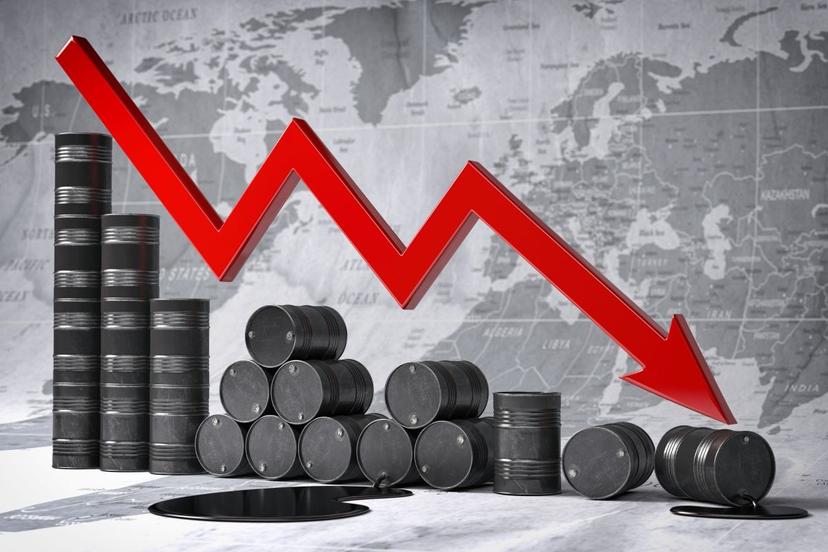
Oil is typically the fastest transmission mechanism because it prices potential disruption and insurance costs then feeds into inflation expectations. When a senior official plays down the likelihood of a global war, the oil risk premium can ease; when they emphasize that escalation cannot be ruled out, the premium tends to reappear quickly, especially in prompt contracts.
Energy equities and high-yield producers respond through cash-flow assumptions, while airlines and transport-sensitive sectors respond through forward fuel costs. A sustained move in the oil risk premium can also influence central-bank reaction functions by shifting near-term inflation prints.
Dollar, Rates, And Credit Move With Risk Appetite
Foreign exchange often reflects the balance between dollar safe-haven demand and carry. In episodes where conflict risk rises, the dollar can strengthen as liquidity preference increases; when tensions stabilize, higher-beta currencies can recover, easing financial conditions for emerging markets.
Rates face competing impulses: flight-to-quality demand can push yields lower, while higher energy prices can lift inflation breakevens and term premium. Credit spreads typically widen when volatility rises and funding windows look less predictable, with sensitivity highest in cyclical sectors and issuers tied to European growth.
Base Case: Risk Premium Stays Elevated, No Immediate Escalation
The base case over the next 4–8 weeks is continued signaling and diplomatic contact, with no direct expansion of the Ukraine war beyond current front lines. Under that outcome, the risk premium remains embedded across European equities and credit, oil stays headline-sensitive, and the dollar retains its safe-haven bid during risk spikes in Tredu portfolios.
A key base-case trigger is whether February 2026 Ukraine war negotiations produce dated, verifiable steps, such as agreed frameworks or deconfliction measures, rather than broad statements that leave implementation uncertain.
Upside Scenario: Negotiations Reduce Tail Risk
An upside scenario for risk assets requires clearer negotiation progress and fewer January-style flashpoints. If official contacts between Moscow and Washington continue and confidence-building measures appear, volatility can fall, credit spreads can tighten, and cyclical equities can outperform as defensive positioning is reduced.
In that environment, easing energy input costs can support consumer sectors and lower pressure on rate pricing tied to inflation expectations.
Downside Scenario: New Flashpoints Tighten Financial Conditions
The downside scenario is a renewed escalation cycle, either through a sharp deterioration on the battlefield or separate geopolitical disputes that raise the probability of direct confrontation between major powers. If rhetoric is paired with actions that increase perceived accident risk, volatility can jump, the dollar can strengthen, and funding conditions can tighten across equities, credit, and emerging-market assets.
A downside trigger would be a breakdown in negotiations coupled with a material expansion of sanctions or retaliatory measures, which would increase uncertainty for European industry and widen spreads for exposed issuers.
Bottom line:
Medvedev’s comments mixed reassurance with a warning that escalation remains possible, keeping geopolitics central to pricing in 2026. Oil and the dollar are likely to stay the quickest channels into equities, rates, and credit as negotiations evolve.