Microsoft Plunge Hits Tech, Pulling Stocks Down And Lifting Volatility

By Tredu.com • 1/29/2026
Tredu
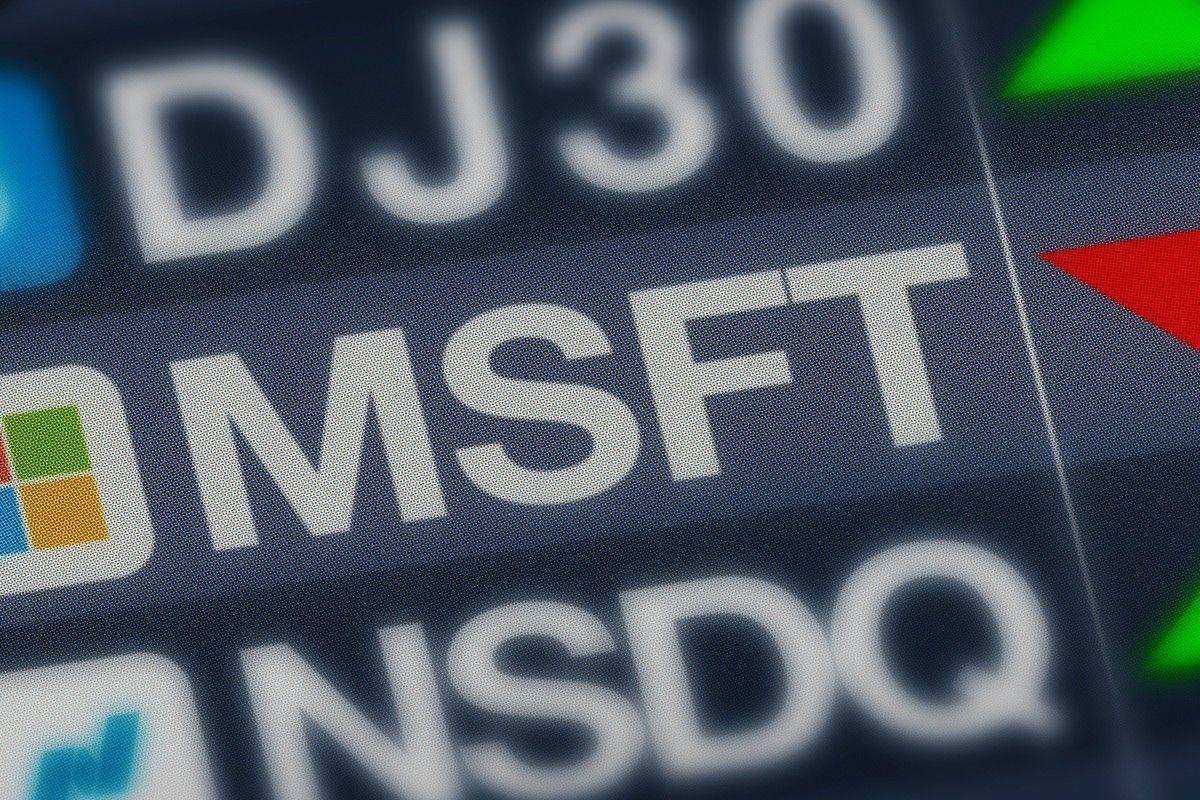
U.S. stocks fell on Thursday, January 29, 2026 after a steep Microsoft selloff following earnings pulled major tech shares lower, lifting volatility and trimming risk appetite across markets. The Nasdaq Composite led declines as software and semiconductor names slid, while the Standard and Poor's 500 eased and the Dow Jones Industrial Average held up better on strength in select industrial and defense stocks.
Microsoft Earnings Plunge Weighs On Indexes
Microsoft shares fell about 12% to roughly $425, erasing around $430 billion in market value and becoming the single biggest drag on the day’s index performance. The move followed results that beat on headline profit but raised investor concerns about cloud growth momentum and the scale of spending tied to artificial intelligence infrastructure.
The company disclosed a sharp increase in data center investment, including quarterly capital spending around $37.5 billion, up 66% year over year. That number mattered because it reset expectations for free cash flow in 2026 and pushed investors to demand clearer payback timelines for heavy capacity buildouts.
Tech Sector Selloff Spreads Beyond One Stock
The decline broadened quickly into enterprise software and cloud-linked names, with several high-multiple stocks repriced as the market questioned how much incremental demand is needed to justify larger budgets. ServiceNow and SAP fell on weaker cloud outlook messaging, and chip-related shares softened as investors cut exposure to the same artificial intelligence trade that had driven gains earlier in the month.
By late session, the Nasdaq Composite was down around 1.3%, while the Standard and Poor's 500 was lower by about 0.6% and the Dow Jones Industrial Average was off roughly 0.3%. The uneven index performance reflected sector rotation more than a blanket risk-off event.
Winners Offset Part Of The Damage
Meta Platforms rose about 10% after results and guidance reassured investors on advertising demand and discipline around spending priorities. IBM added around 3% after its earnings release, helping to support pockets of the technology complex even as Microsoft’s drop pulled the broader group lower.
Outside tech, Lockheed Martin climbed about 6% and Caterpillar gained roughly 3%, providing support for the Dow Jones Industrial Average. Southwest Airlines surged close to 18% after an upbeat outlook, showing that single-name catalysts still mattered even on a down day for the overall market.
Rates, Foreign Exchange, And Commodities Set The Backdrop
Treasury trading was steadier than equities. The 10-year Treasury yield held near 4.23%, limiting the rates-driven pressure that often accompanies tech drawdowns when yields jump. A stable dollar reduced immediate stress in foreign exchange, though the day’s equity move still tightened financial conditions through higher equity volatility and weaker high-beta sectors.
In commodities, oil rose roughly 3% toward $65 a barrel, lifting energy shares and cushioning the Standard and Poor's 500 from deeper losses. Gold and silver were volatile in the same session, with precious metals prices swinging sharply as investors balanced safe-haven demand against liquidation needs.
Market Channels Investors Repriced
Equities took the first hit through megacap concentration. When a single company with a heavyweight index footprint drops double digits, passive flows and index hedging can amplify declines in related names, especially across software, semiconductors, and cloud infrastructure.
Credit markets face a different transmission. If the selloff persists, spreads for lower-rated technology issuers can widen as investors reassess refinancing risk for firms funding growth with debt. In rates, the key link is real yields and risk sentiment; if equities keep sliding while inflation stays sticky, longer-dated yields can rise even without fresh central bank action.
Volatility is the fastest conduit. Higher implied volatility lifts hedging costs, reduces dealer balance sheet willingness, and can pull liquidity from single stocks, making large intraday swings more common. In that environment, a pullback in Microsoft can spill into broader positioning through systematic deleveraging rather than fundamentals alone.
Spending Debate Centers On Artificial Intelligence Returns
The core question for 2026 is whether higher artificial intelligence capital spending translates into durable revenue acceleration, or whether it compresses margins and delays cash generation. Microsoft’s disclosed spending jump put that debate back in focus, especially for firms competing to secure compute capacity and enterprise contracts.
John Praveen of Paleo Leon said, “The market is demanding proof of returns, not just bigger budgets.” The comment captured why investors treated the earnings narrative as a valuation issue, not a demand-collapse signal.
Base Case: Choppy Trade With Sector Rotation
The base case is continued volatility with indexes stabilizing after a single-session repricing. That scenario has Microsoft recovering part of its drop if subsequent disclosures clarify monetization and if capital spending remains aligned to booked demand, while the Standard and Poor's 500 grinds sideways as energy and communications services offset weakness in technology.
Under this path, the 10-year Treasury yield stays near 4.23%–4.35%, keeping rate pressure contained, while foreign exchange remains range-bound and credit spreads widen only modestly.
Upside Scenario: Strong Follow-Through In Earnings And Guidance
An upside scenario requires two triggers: firmer enterprise demand indicators in February 2026 data and clearer margin trajectories from megacap technology leaders. If Meta’s strength extends to other platform companies and if software guidance stabilizes, the Nasdaq Composite can rebound quickly, compressing volatility and improving risk sentiment across equities and credit.
A sustained drop in yields, such as the 10-year moving below 4.10%, would reinforce that outcome by supporting higher-duration growth valuations.
Downside Scenario: Broader Deleveraging From Megacap Weakness
The downside scenario is a second leg lower driven by more earnings-related disappointments in large technology, paired with tighter liquidity conditions. If more companies report rising capital spending without corresponding revenue acceleration, valuation multiples can reset across the sector, pushing the Nasdaq tech selloff into a multi-week decline and pulling the Standard and Poor's 500 lower with it.
A move in the 10-year Treasury yield above 4.50% or a renewed dollar surge would add pressure by raising discount rates and tightening financial conditions, while wider credit spreads would signal that risk appetite is deteriorating beyond equities.
Bottom line:
Microsoft’s post-earnings plunge hit megacap technology and pulled U.S. indexes lower even with Treasury yields steady near 4.23%. How markets trade next depends on whether spending on artificial intelligence translates into revenue growth quickly enough to justify higher budgets.