Modi Budget Targets Tariff Shield As Rupee Bonds Face Borrowing Surge

By Tredu.com • 2/2/2026
Tredu
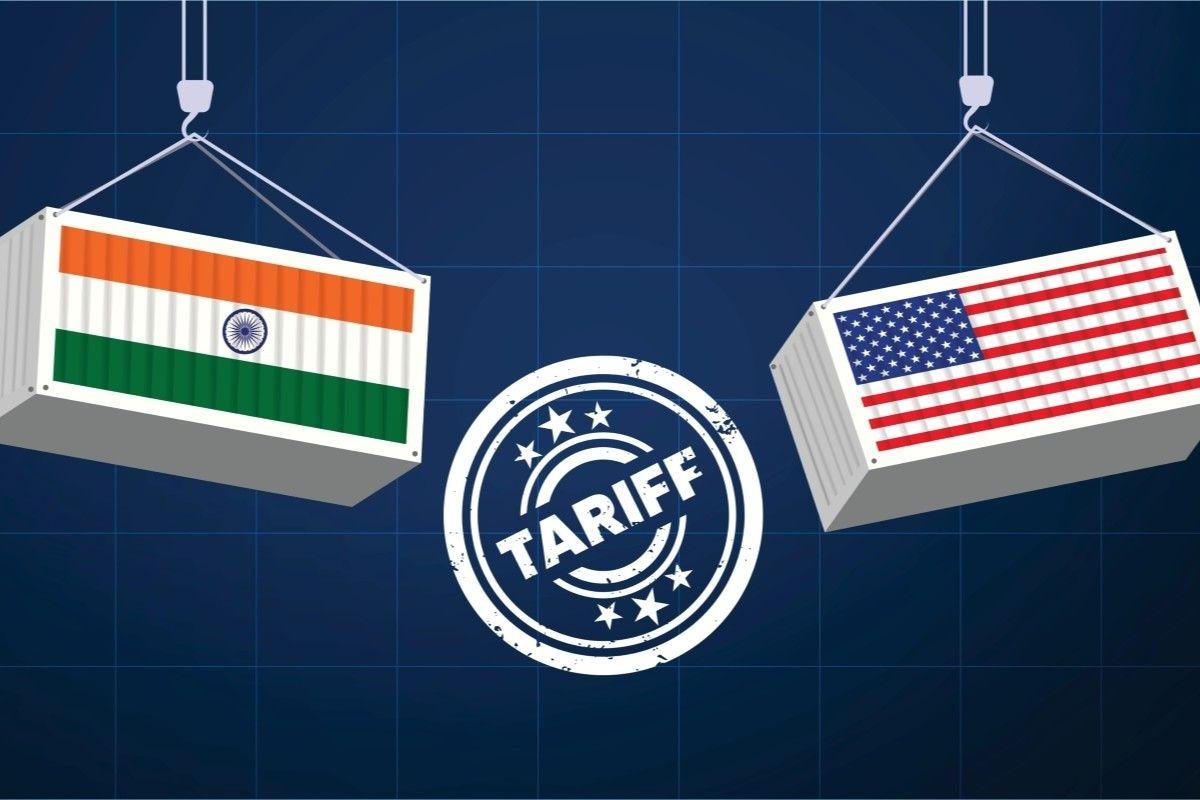
Prime Minister Narendra Modi’s government set out the India budget 2026–27 on February 1 with a clear aim: cushion growth against new U.S. trade pressure while keeping the fiscal trajectory credible. The plan relied on infrastructure spending, targeted export relief and incentives for strategic industries, but it also locked in a record gross borrowing program that kept risk appetite in focus.
Borrowing Surge Tests A Budget Built To Shield Against Tariffs
Finance Minister Nirmala Sitharaman targeted a fiscal deficit of 4.3% of gross domestic product for the year starting April 1 and set a debt-to-gross-domestic-product ratio goal of 55.6%. The budget assumed 10% nominal growth and lifted federal capital expenditure to a record ₹12.2 trillion, keeping roads and railways near 47% of proposed capital outlay.
The package was framed for a world where access to supply chains is less reliable. That matters because a 50% U.S. tariff on Indian goods has been in place since August 2025, aimed partly at India’s purchases of Russian oil, and it has hit labor-intensive exporters including textiles and furniture.
Export Support Targets Input Costs Rather Than Broad Tax Cuts
The export measures were designed to cut costs at the factory gate. Targets include lower duties on selected capital goods and raw materials so exporters can defend margins when the tariff squeezes pricing and buyers push for rebates.
The changes were sector-specific rather than sweeping. One move raised the duty-free import limit for specified seafood-processing inputs from 1% to 3% of the prior year’s free-on-board export turnover, reducing costs for processors and exporters.
Cloud And Compute Incentives Seek Long-Term Foreign Capital
To attract stable investment, the budget offered a data centre tax holiday until 2047, giving foreign firms a 20-year exemption through March 31, 2047 on income tied to providing global cloud services using specified India-based data centres. The goal is to remove tax uncertainty around using Indian facilities for overseas customers, encouraging more hyperscale buildouts that can lift power demand, industrial land absorption and local equipment orders.
Rupee Bonds Face Record Gross Borrowing
The borrowing profile is the main market constraint. The ₹17.2 lakh crore borrowing program set a new high for gross market borrowing, with net market borrowing from dated securities at ₹11.7 lakh crore, increasing supply even as the government keeps its deficit target. That supply drives term premia, and the benchmark 10-year government bond yield has traded around 6.7%, up from roughly 6.5% three months earlier.
The budget also expanded long-term, interest-free loans to states by 23% to ₹1.85 trillion to support capital projects. That can raise growth multipliers if execution is clean, but it adds to combined sovereign issuance that investors must absorb in 2026.
Stocks React As Trading Costs Rise
Equities fell after the announcement as the government introduced a Securities Transaction Tax hike to curb speculative trading. The Securities Transaction Tax rate on futures rose to 0.05% and the rate on options to 0.15% of the option premium, lifting costs for the derivatives-heavy activity that has dominated volumes.
The equity channel is immediate for brokers and exchanges through lower turnover, and indirect for the broader market through higher discount rates if borrowing keeps yields firm. For corporate credit, a higher risk-free curve can widen spreads for lower-rated issuers even when earnings hold.
Defense And Supply-Chain Programs Add A Second Demand Channel
Defense spending rose to ₹7.85 lakh crore, about 15% above the prior year’s budget estimate, reinforcing procurement and domestic manufacturing plans. The budget also backed electronics components and critical minerals, including rare earth initiatives, as part of a push to reduce dependence on concentrated import routes.
Rating Agencies Focus On Consolidation Limits
Fitch Ratings called the budget “broadly neutral” for growth while warning that further deficit reduction is getting harder without sacrificing expansion. Revenue assumptions include a 7% rise in net tax revenue and a large ₹3.91 trillion surplus transfer and dividends from public institutions, making nominal growth and dividend timing important for bondholders.
Base Case, Upside And Downside Scenarios
Base case: the government meets the 4.3% deficit target and executes capex steadily, keeping the rupee stable while bond yields hold in a 6.6%–6.9% band as supply is absorbed. Infrastructure-linked equities benefit, while rate-sensitive sectors lag.
Upside scenario: U.S. tariff pressure eases through negotiations and data-centre commitments accelerate under the 2047 tax plan, supporting the rupee and tightening investment-grade credit spreads. Bond yields drift lower if inflation stays contained.
Downside scenario: tariff escalation or a new external shock widens risk premia, pushing yields toward 7% and weakening the rupee as import costs rise. Higher discount rates and higher derivatives costs raise equity volatility and pressure leveraged balance sheets.
Bottom line:
India’s budget leans on capex and targeted export relief to protect growth as U.S. tariffs bite, while offering long-dated incentives for cloud investment. Markets are balancing that support against a record borrowing plan and higher trading taxes that can keep yields and volatility elevated.
Other News

The Role of Intelligent Forex Trading Systems in Optimizing Algorithmic Trading Performance
By Tredu.com · 5/20/2026

How Machine Learning Forex Trading Bot Enhances Predictive Accuracy in Forex Markets
By Tredu.com · 5/20/2026

FinancialMarkets.media granted the Official Google Partner certification
By Tredu.com · 5/20/2026