Musk Puts Moon City First, SpaceX Listing Valuation Focus Sharpens

By Tredu.com • 2/9/2026
Tredu
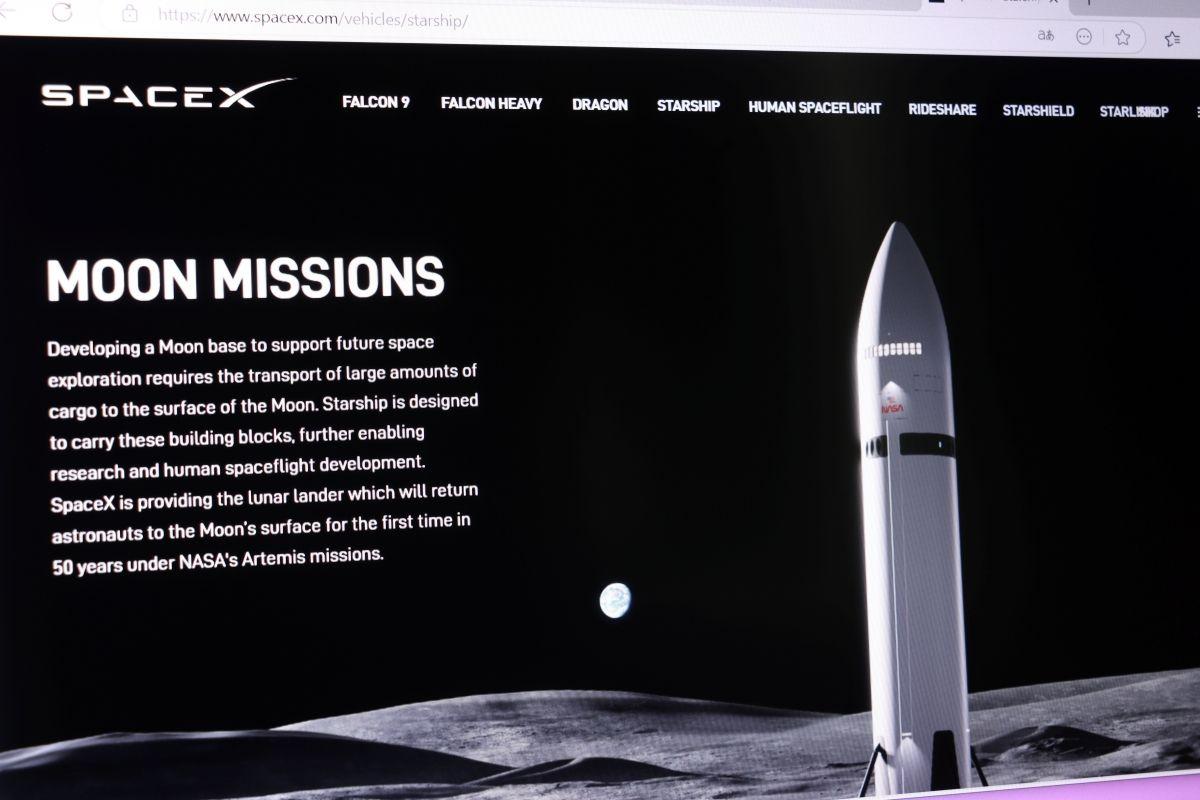
Elon Musk said on Sunday, February 8, 2026 that SpaceX has shifted its priority toward building a “self-growing” settlement on the Moon, aiming to achieve it in less than 10 years. The change matters for markets because it reorders capital allocation, engineering resources, and contract focus at a private company that is preparing for a potential listing that could reset valuation benchmarks across aerospace, satellite communications, and parts of the artificial intelligence supply chain.
Musk said SpaceX still intends to begin work on a Mars city within five to seven years, but the nearer objective is lunar infrastructure because the Moon is faster to reach and iterate. SpaceX also targets an uncrewed lunar landing by March 2027, setting a dated milestone that investors can use to judge execution risk well before any public offering.
Moon Pivot Tightens Timelines, And Puts Funding Priorities Under A Microscope
The shift puts a Moon buildout at the front of SpaceX’s internal sequencing, and it moves Mars to a longer arc that depends on hardware maturity and launch cadence. The new timeline also sharpens investor focus on whether SpaceX can translate rapid iteration into deliverable milestones, including the March 2027 uncrewed landing target, while managing the cost curve of Starship development.
A Moon city plan has a different cash-flow profile than a Mars-first approach. Lunar missions can be scheduled far more frequently than Mars transfer windows, which occur about every 26 months, and that frequency can lower program risk if it reduces the time between tests, upgrades, and operational learning. The tradeoff is that higher mission frequency can raise near-term spending on launches, ground infrastructure, and in-space logistics, increasing the near-term capital intensity that investors must underwrite.
Starlink Revenue Mix Shifts Risk Away From Government Budgets
Musk also said NASA will account for less than 5% of SpaceX revenue this year, framing the business as primarily commercial. That statement lifts the importance of Starlink in any valuation debate because it implies most revenue is tied to subscriber growth, pricing power, and service reliability rather than annual public-sector appropriations.
A commercial-heavy mix can support higher multiples if it reduces single-customer concentration, but it also increases exposure to consumer and enterprise demand cycles, foreign exchange translation, and competitive dynamics in satellite broadband. For credit markets, the revenue mix influences how lenders and private investors price cash-flow durability during periods when funding costs rise and risk appetite weakens.
Artemis Contract Adds A Milestone Path, And A Scrutiny Path
SpaceX remains a core contractor under the Artemis Moon program with a $4 billion contract to land astronauts on the lunar surface using Starship. The contract matters for execution because it ties lunar goals to deliverables that are subject to schedule reviews, technical milestones, and safety certification requirements, which can become market-moving inputs if a listing timeline depends on perceived program credibility.
It also introduces scrutiny risk. A larger Moon focus can increase the share of operating narrative linked to government program outcomes, even if NASA is a small percentage of revenue. In practical terms, investors will separate the cash contribution of the contract from the signaling value it carries for engineering maturity and launch reliability.
Listing Math: A $50 Billion Raise Would Redefine The IPO Market
SpaceX is considering a public offering later this year that could raise as much as $50 billion, a scale that would test liquidity, underwriting capacity, and public-market tolerance for long-duration capital spending. That figure, if pursued, would lift the stakes for how investors price growth versus cash generation, because large issuance can move broader risk sentiment and create a valuation anchor for private-market aerospace and frontier technology.
The Moon pivot can be read as an attempt to bring nearer milestones forward, which can help justify a premium valuation by reducing the number of unknowns between now and cash-flow scale. It also creates new questions about cost discipline: a faster lunar cadence can raise spending volatility, and investors typically demand evidence of operating leverage when a listing is in view.
xAI Tie-Up Broadens The Story Into Space-Based Data Centers
Musk’s comments come days after he announced SpaceX acquired his artificial intelligence company xAI, valuing SpaceX at $1 trillion and xAI at $250 billion. The combined structure changes how investors may model future business lines, particularly the idea of space-based data centers that Musk has argued could be more energy-efficient than terrestrial facilities as compute demand rises.
That concept links SpaceX to the broader AI capex cycle in a way that can move public-market suppliers. If the narrative gains traction, it can lift expectations for satellite bandwidth demand, on-orbit power management, and launch cadence; if it is treated as early-stage speculation, it can widen perceived execution risk and raise the discount rate applied to future cash flows.
Market Channels Run Through Equities, Rates, Credit Spreads, And Volatility
Even as a private company, SpaceX influences public markets through comparison sets and supply chains. Aerospace and defense contractors, satellite communications peers, and select industrial suppliers can move as investors reprice growth, procurement, and launch cadence assumptions. Tesla, which Musk also leads, adds an additional sentiment channel because changes in Musk’s capital priorities can affect how investors think about governance bandwidth and cross-company risk.
Rates and credit matter because a record-size offering, or even continued private funding needs, would be judged against prevailing financing conditions. Higher yields and wider credit spreads typically compress the valuation of long-duration growth stories, while calmer rates can support risk appetite for large equity issuance. Volatility is the fast channel: large fundraising headlines can increase implied volatility in related sectors as investors hedge around timing and pricing uncertainty.
Base Case: Milestones Hold, And The Listing Narrative Stays Intact
The base case is that SpaceX meets intermediate Starship testing goals in 2026, holds to the March 2027 uncrewed lunar landing target, and keeps Mars development progressing on a parallel track. Under this outcome, investor focus stays on execution metrics and unit economics in Starlink, and the listing debate remains centered on whether a large raise can be absorbed without requiring discounted pricing.
A key base-case trigger is consistent cadence in test flights and operational reliability, which reduces the probability of schedule slips that would push large financing events into less favorable market windows.
Upside Scenario: Faster Iteration Lifts Confidence And Broadens Demand
An upside scenario requires faster-than-expected progress on lunar logistics and Starship readiness, alongside continued scaling in Starlink revenues that supports stronger cash generation. If milestones land on schedule and commercial revenue keeps compounding, the market can justify a higher valuation range and a larger investor base for a listing, tightening implied risk premiums across the space sector.
Concrete triggers include clear progress toward March 2027 readiness and visible expansion in commercial services that supports steadier margins.
Downside Scenario: Schedule Slips Or Funding Costs Rise Into The Offering Window
The downside scenario is driven by execution delays or tighter financial conditions. A material slip in lunar milestones, or a rise in global yields that reduces appetite for large growth issuance, would pressure valuation and could shrink the feasible raise size. A separate risk is that heightened scrutiny tied to government programs and safety requirements extends timelines, raising cost carry and increasing volatility around any listing path.
Triggers include missed milestone dates, higher funding costs that reprice long-duration equities, or constraints that limit launch cadence.
Bottom line:
SpaceX’s Moon-first approach brings nearer milestones forward and makes timing, cost discipline, and commercial revenue mix central to the valuation conversation. Markets will treat the March 2027 target and the scale of any listing plans as the clearest near-term signals for risk appetite in the space sector.
Other News

The Role of Intelligent Forex Trading Systems in Optimizing Algorithmic Trading Performance
By Tredu.com · 5/20/2026

How Machine Learning Forex Trading Bot Enhances Predictive Accuracy in Forex Markets
By Tredu.com · 5/20/2026

FinancialMarkets.media granted the Official Google Partner certification
By Tredu.com · 5/20/2026