NATO Arctic War Drills Put Civilians At Center Of Defense Plans

By Tredu.com • 3/9/2026
Tredu
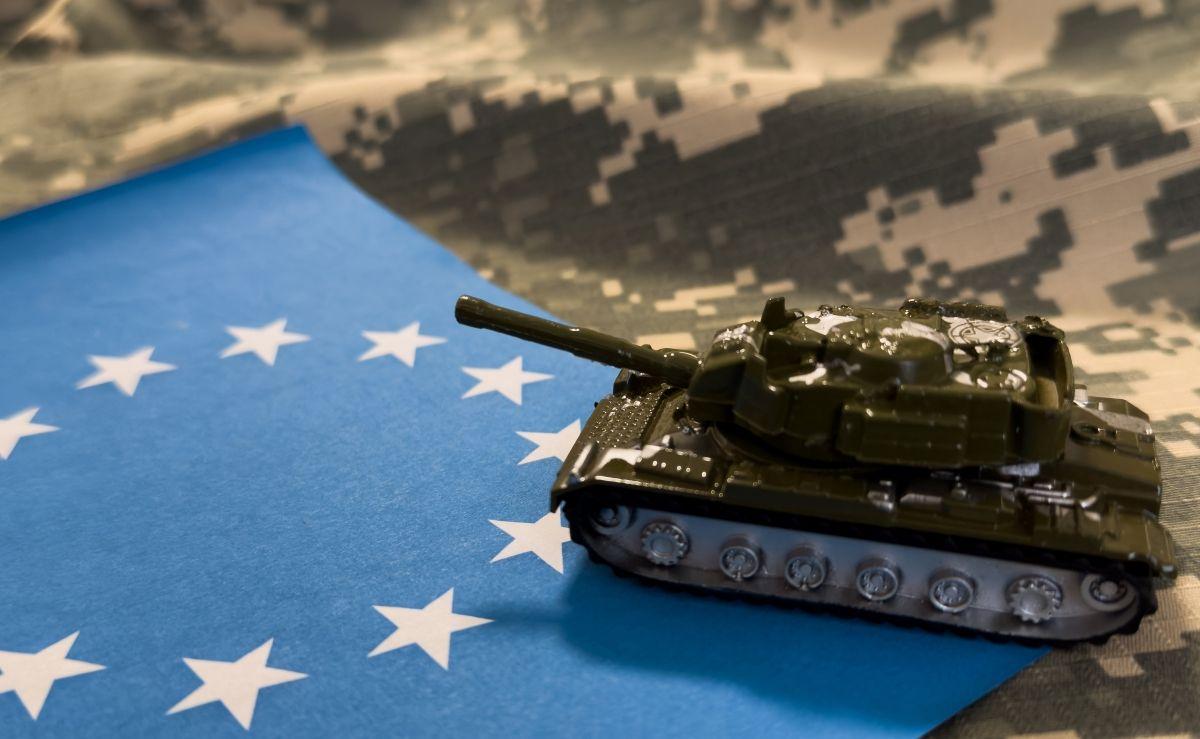
NATO Launches Arctic War Drills With Civilian Readiness Focus
NATO began large-scale Arctic military drills designed to prepare the alliance for conflict in one of the world’s most strategically sensitive regions. The exercise, known as Cold Response, runs from March 9 to March 19 and involves roughly 25,000 troops from 14 countries operating across northern Norway and Finland.
Unlike previous editions, this year’s exercise places stronger emphasis on civilian readiness. The drills are designed to test how hospitals, transport networks, local governments and critical infrastructure would function during wartime alongside military operations.
The focus reflects NATO’s growing concern that modern conflict extends far beyond battlefields, requiring coordination between military forces and civilian systems to sustain defense operations.
Civilian Infrastructure Becomes Part Of Military Planning
A central scenario in the drills examines how civilian institutions would respond to a sudden surge in casualties during a conflict near NATO’s northern frontier. Hospitals and emergency services are being tested on how quickly they could receive and treat large numbers of injured personnel transported from a simulated frontline.
The concept is tied to Norway’s “total defence” strategy, which emphasizes cooperation between civilian authorities and the armed forces. Officials argue that maintaining energy networks, transportation systems and communications infrastructure is just as important as combat readiness during a crisis.
Military planners say the approach reflects lessons learned from recent conflicts, where disruptions to infrastructure and logistics have played a decisive role in shaping battlefield outcomes.
Arctic Security Rising On NATO’s Agenda
The Arctic has become increasingly important in global security planning. NATO members Norway and Finland share borders with Russia in the far north, turning the region into a strategic corridor between Europe and the Arctic Ocean.
Growing Russian military activity and renewed geopolitical competition have prompted NATO to expand its presence in the region. The alliance has also launched the Arctic Sentry initiative to strengthen surveillance, deterrence and operational capability in the polar environment.
The harsh climate and remote geography create unique logistical challenges. Military units must operate in extreme cold while maintaining supply chains and communications across large distances.
Troop Deployments And Operational Scope
About 25,000 personnel from 14 NATO and partner nations are participating in the exercise, including forces from the United States and several European allies.
The drills include naval maneuvers, ground operations and air support scenarios designed to simulate defending NATO territory in the European Arctic. Troops train in snow-covered terrain and practice joint operations between different branches of the armed forces.
The United States has deployed roughly 4,000 troops for the exercise, although one squadron of F-35 fighter jets that had been expected to participate was withdrawn earlier due to other operational commitments.
Even without the aircraft deployment, the drills remain among the largest Arctic exercises conducted by NATO in recent years.
Strategic Context: Arctic Competition Intensifies
The drills are unfolding during a period of rising geopolitical tension in the Arctic. Governments increasingly view the region as critical for shipping routes, energy resources and military early-warning systems.
Recent political disputes over Greenland and increasing interest from global powers in Arctic shipping lanes have heightened the strategic importance of the region.
Russia has also expanded military infrastructure in the Arctic over the past decade, reopening Soviet-era bases and increasing patrol activity. NATO officials say exercises such as Cold Response are meant to ensure the alliance can operate effectively in the same environment.
Market Channels: Defense Spending And Arctic Infrastructure
Military exercises can influence financial markets through defense spending expectations and industrial demand. When geopolitical tensions rise in strategically important regions, governments often accelerate procurement of equipment such as aircraft, missile defense systems and surveillance technologies.
Companies involved in defense manufacturing, aerospace engineering and advanced sensors often benefit from such shifts. Infrastructure spending may also rise as countries improve northern ports, radar installations and logistics facilities to support military operations.
The Arctic’s economic dimension adds another layer of market relevance. The region contains significant oil, gas and mineral resources, and climate change is gradually opening new shipping routes across polar waters. Increased military activity therefore signals a long-term competition for both security and economic influence.
Base Case: Arctic Security Remains A Long-Term Strategic Focus
The base case scenario assumes NATO continues expanding Arctic preparedness without immediate confrontation. Under that outcome, exercises such as Cold Response become regular components of alliance planning while infrastructure investment gradually increases across northern regions.
Markets would likely interpret this as a steady increase in defense spending rather than a near-term crisis.
Upside Scenario: Cooperation Reduces Regional Tension
An upside scenario would involve improved diplomatic relations among Arctic states and clearer agreements on maritime boundaries and resource development. That outcome could reduce military tension while still allowing economic development and infrastructure investment.
Lower geopolitical risk would likely ease pressure on defense budgets while supporting commercial activity in shipping and energy exploration.
Downside Scenario: Strategic Rivalry Intensifies
The downside scenario involves increased military competition between NATO and Russia across the Arctic region. More frequent deployments and infrastructure expansion could heighten tensions and raise the risk of incidents involving aircraft, naval vessels or surveillance operations.
Such a development would increase defense spending but also raise geopolitical uncertainty for energy exploration and shipping routes across the Arctic.
Bottom line:
NATO’s Arctic drills highlight how modern defense planning now includes civilian infrastructure and society-wide preparedness. As geopolitical competition intensifies in the polar region, military readiness and economic interests are becoming closely linked.
Other News

The Role of Intelligent Forex Trading Systems in Optimizing Algorithmic Trading Performance
By Tredu.com · 5/20/2026

How Machine Learning Forex Trading Bot Enhances Predictive Accuracy in Forex Markets
By Tredu.com · 5/20/2026

FinancialMarkets.media granted the Official Google Partner certification
By Tredu.com · 5/20/2026