Nippon Steel Convertible Bond Sale Stokes Dilution Fears In Tokyo

By Tredu.com • 2/25/2026
Tredu
Convertible Bonds Trigger A Sharp Tokyo Selloff
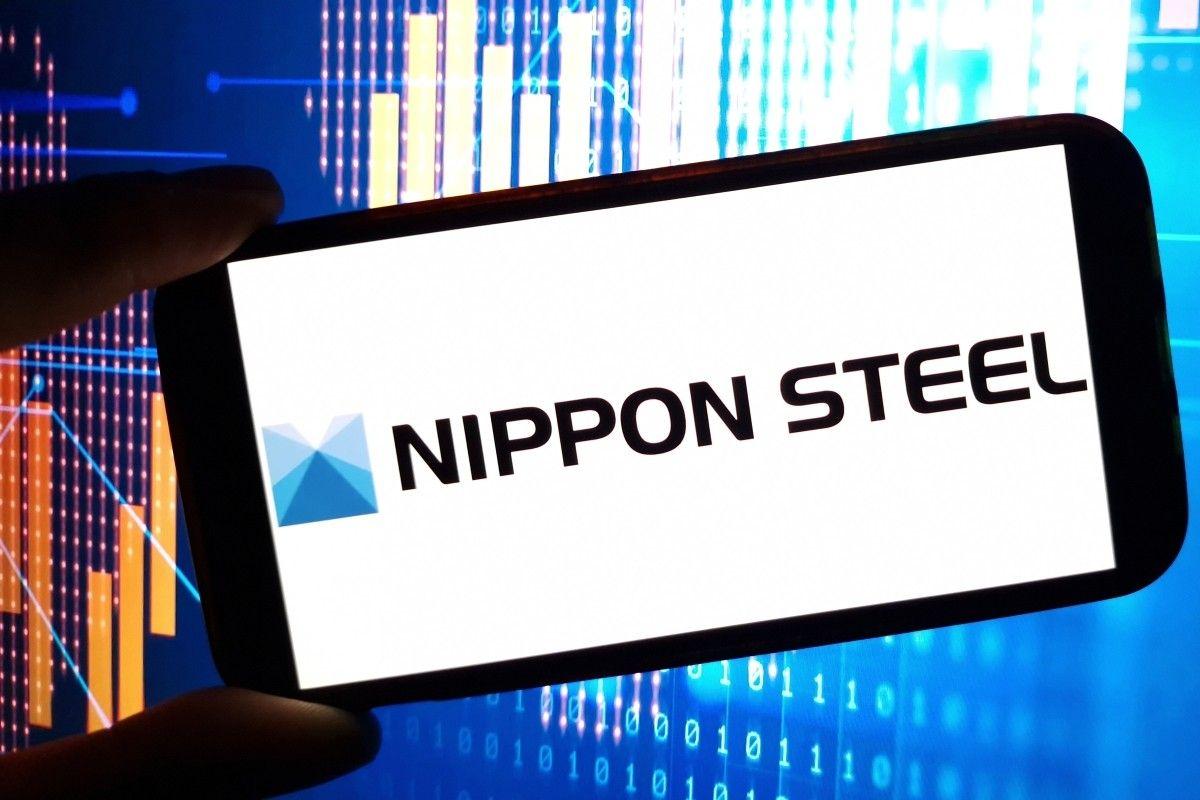
Nippon Steel shares fell sharply in Tokyo trading on February 25 after the company disclosed plans to raise about 600 billion yen (roughly $3.9 billion) via a zero-coupon convertible bond sale linked to its U.S. Steel acquisition financing. The stock dropped 5.5% to around 627 yen, underperforming a broader Nikkei rise, as equity investors focused on dilution mechanics and balance sheet strain rather than lower near-term interest expense.
The sale is designed to repay loans used to fund the roughly $15 billion takeover of U.S. Steel, and it arrives as the company outlines a larger multi-year investment cycle. A large issuance size, combined with the equity conversion feature, pushed volatility higher in Japan’s steel complex, where capital structure choices can quickly reshape valuation multiples.
Why A Convertible Structure Stokes Dilution Fears
Convertible bonds sit between debt and equity. They do not immediately increase the share count, but they can convert into stock at a preset price, creating an eventual dilution risk that markets often price in immediately. That effect can be amplified by hedging flows: investors who buy convertibles may short the underlying shares to manage delta exposure, adding short-term selling pressure even before any conversion occurs.
The current move also fuels a debate over whether management is prioritizing speed and flexibility over minimizing equity overhang. A straight bond issue would avoid conversion, but it can raise refinancing risk later; an equity raise would remove leverage but dilutes instantly. Convertibles split the difference, and the market reaction suggests shareholders are not convinced the trade-off is favorable at current prices.
The Funding Map For The U.S. Steel Takeover
Nippon Steel is attempting to refinance acquisition funding while stepping up overseas-led growth plans. The company has described a five-year investment program totaling about 6 trillion yen, including roughly $11 billion tied to the U.S. Steel business, alongside expansion ambitions in markets such as India and Thailand.
The backdrop is not clean. Earlier this month, the company widened its forecast to a net loss of 70 billion yen for the fiscal year ending in March, citing disruption from a blast furnace fire and costs related to the U.S. Steel deal. That combination, acquisition leverage plus operational noise, makes any security that can turn into equity especially sensitive to pricing and size.
Deal Terms Put Size At The Center Of The Market Reaction
The company increased the planned offering to 600 billion yen after demand and market conditions, a step that made the sale one of the largest convertible offerings in Japan’s corporate history. The structure is split into two equal tranches, with maturities in 2029 and 2031, and includes stock acquisition rights while carrying a zero coupon.
Zero coupon can look attractive in a rising-rate environment because it limits immediate cash interest outflows, supporting near-term free cash flow optics. Equity holders, however, tend to focus on the conversion optionality and the implied ceiling it can place on share performance if conversion terms sit near the market.
A Jefferies note framed the choice as limiting immediate dilution versus an equity offering, but the share drop indicates investors are discounting future share issuance risk rather than celebrating a non-equity financing label.
Credit And Rates: Lower Cash Interest, Higher Optionality
In credit markets, convertibles can be seen as balance-sheet friendly when coupons are low, but they still represent a liability and can complicate leverage optics. If the equity price rises and conversion becomes likely, credit risk can improve because de facto deleveraging occurs. If the stock stays weak, the company retains the debt-like obligation without the equity relief, and refinancing risk can re-enter the pricing.
In rates, a zero-coupon structure reduces near-term sensitivity to higher yields, but it increases sensitivity to equity volatility because the conversion value is option-like. That can be relevant for Japan where domestic yield levels remain lower than in the U.S., and cross-border investors frequently use volatility as a gating factor for participating in equity-linked issuance.
Steel Fundamentals And Commodities Shape The Longer Payoff
Beyond capital structure, the long-term thesis hinges on whether the U.S. Steel acquisition improves scale, product mix, and geographic diversification. If integration unlocks higher-value downstream products and steadier end markets, the combined cash flow base can support larger investment and faster deleveraging.
The sector remains cyclical. Steel margins track construction, autos, machinery demand, and energy-related capex; raw materials such as iron ore and coking coal can swing input costs quickly. A financing plan that assumes steady cash generation can look robust in an upcycle, but fragile if demand softens and inventory builds reappear in 2026–2027.
Market Channels: Equities, FX, Volatility, And Spreads
In equities, the immediate channel is valuation compression through expected dilution and hedging-driven selling. Japan’s large-cap indices can absorb single-name volatility, but convertibles of this size often pull in global event-driven funds, raising near-term implied volatility and creating sharper moves around pricing, allocation, and settlement.
In foreign exchange, direct yen impact is usually second order, but cross-border flows matter. If overseas investors demand higher hedged returns to own Japan cyclicals, that can shift hedging ratios and increase demand for FX protection. In credit, the key variable is whether the refinancing meaningfully reduces bridge-loan dependence and stabilizes net debt metrics, which would support tighter spreads; a weak equity response can do the opposite by increasing perceived execution risk.
Base Case, Upside Scenario, Downside Scenario
Base case: the convertible is placed close to planned size, conversion terms are set at a premium that limits immediate dilution expectations, and Tokyo trading stabilizes once hedging flows fade. The trigger is a smooth bookbuild and clear communication on bridge-loan repayment timing.
Upside scenario: improved integration visibility and better operating performance lift the stock above the conversion level over 2026–2027, increasing the probability of equity conversion and reducing leverage concerns. The trigger is stronger cash generation from the U.S. Steel platform combined with contained capex slippage.
Downside scenario: weak demand or a lower conversion premium forces more equity overhang into the price, while operational disruptions keep earnings pressure high. The trigger is sustained share weakness that keeps the bonds debt-like, paired with higher perceived financial stress after the net loss forecast.
Bottom line:
Nippon Steel’s funding choice reduces near-term cash interest but reintroduces equity dilution risk through a large convertible structure. The next market test is the final pricing and conversion terms, and whether refinancing clarity offsets worries about leverage and execution.