Nvidia DeepSeek Co-Design Claim Raises China Export Risk For Shares

By Tredu.com • 1/29/2026
Tredu
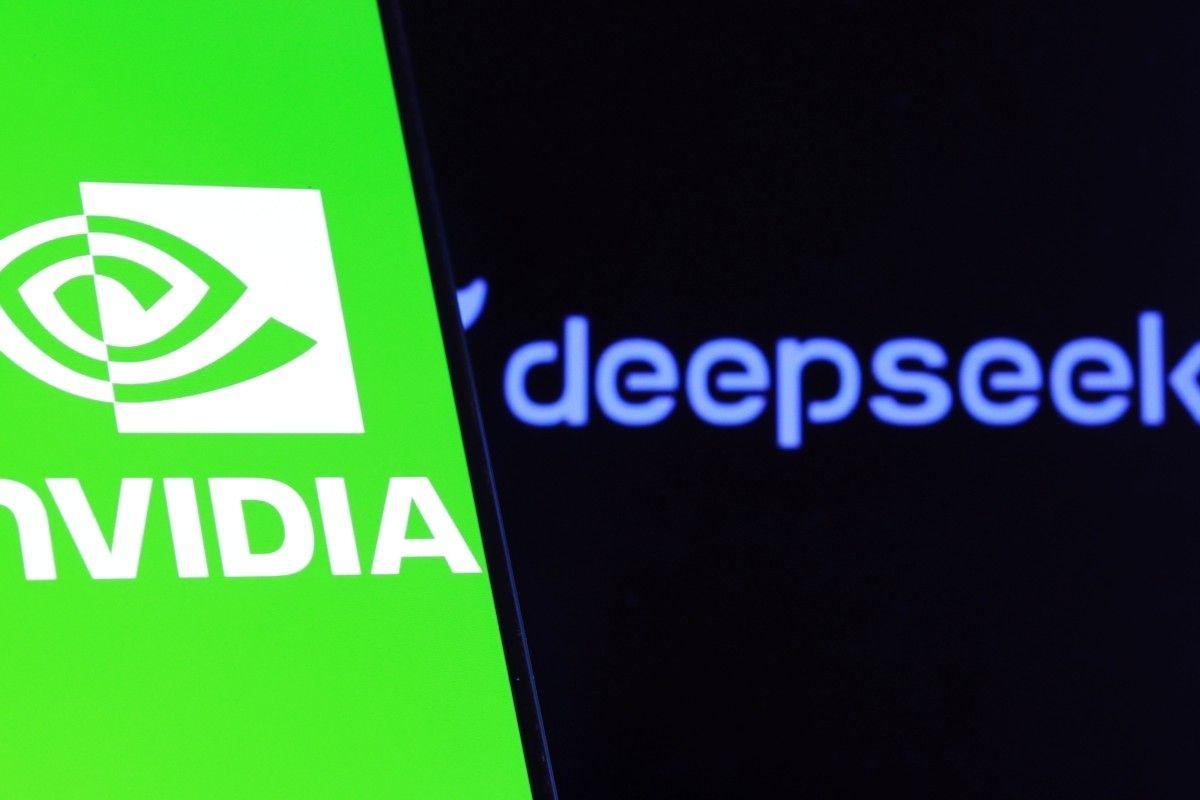
A claim that Nvidia provided technical help to China’s DeepSeek is putting export policy back in focus for markets, raising the risk premium on semiconductor shares and the broader artificial intelligence supply chain. The issue surfaced in a House Select Committee on China letter dated January 28, 2026 to U.S. Commerce Secretary Howard Lutnick, a development that can shift expectations for licensing, enforcement, and future chip sales.
Lawmaker Claim Puts Nvidia Support For DeepSeek Under Spotlight
Representative John Moolenaar, who chairs the House Select Committee on China, wrote that committee documents showed Nvidia staff assisted DeepSeek in 2024 with an “optimized co-design of algorithms, frameworks, and hardware.” The letter cited internal reporting that said DeepSeek-V3 required “H800 GPU hours 2.788M” for full training, an efficiency level the committee contrasted with typical frontier-scale development in the United States.
The disclosure matters for equities because a regulatory overhang can compress valuation multiples for the largest chip suppliers, especially when growth expectations are tied to overseas demand. A renewed Washington focus also raises headline risk for cloud and software firms that depend on a steady pipeline of high-end accelerators.
Export Controls And The China Revenue Channel
Nvidia’s H800 was designed for the China market and sold there before additional U.S. export controls were applied in 2023. The current debate is less about one product cycle and more about whether Washington tightens the rules around “military end use” and how aggressively it polices sales to non-military entities.
For investors, China export controls on AI chips act through multiple channels. They can cap unit volumes, push product mixes toward lower-margin compliant parts, and add compliance friction that slows delivery schedules. Those mechanisms can ripple into semiconductor equipment makers and memory suppliers, affecting sector breadth beyond one stock.
Military Use Allegation Raises Legal And Reputational Risk
Moolenaar’s letter said there was no public indication at the time that DeepSeek’s technology was being used by China’s military, and that Nvidia treated DeepSeek as a commercial partner. U.S. officials have previously indicated they believe DeepSeek is aiding China’s military, raising the sensitivity around how U.S. technology interacts with downstream users once it enters China.
Nvidia responded that it would be unreasonable for China’s military to rely on American technology, arguing that China has ample domestic chips for military applications. Even if that view holds, the political risk can still rise because U.S. lawmakers may seek tighter guardrails when assurances around end users are hard to verify.
A New Flashpoint After Recent H200 Sales Approval
The timing is awkward for the company and for policy makers. Earlier in January 2026, the U.S. administration approved sales of Nvidia’s H200 to China with conditions that chips not be sold to entities assisting China’s military. The H200 is more powerful than the H800, and the approval drew criticism from China hawks concerned about boosting Beijing’s capabilities.
That context puts H200 chip sales restrictions at the center of the market debate: whether exceptions remain stable, whether new reporting obligations are added, and whether licensing becomes slower or narrower. Any shift can affect the forward revenue cadence that investors embed into expectations for 2026 and 2027.
Market Reaction Pathways Beyond One Stock
For shares, the immediate link is volatility and risk sentiment. When policy risk rises, investors often reduce exposure to high-duration growth, which can pressure chipmakers, data center builders, and the technology complex. Options markets can reprice implied volatility, raising hedging costs for funds and tightening liquidity in single names.
Rates and foreign exchange can also react. A policy escalation that spooks equities can push investors toward Treasuries, nudging yields lower in a classic risk-off move, while supporting the U.S. dollar against higher-beta currencies. Credit spreads for lower-rated technology issuers can widen if investors assume slower demand or higher compliance costs that squeeze cash generation.
The Efficiency Angle And Competitive Pressure
The training-efficiency detail is a second market channel. If fewer chip-hours are needed to build competitive models, demand forecasts for accelerators may be revised, even if overall compute usage continues to grow. The letter’s reference to 2.788M H800 GPU hours gives investors a concrete metric that can influence expectations for how quickly software optimizations reduce hardware intensity.
That dynamic can pressure capital spending assumptions for data centers and shift relative winners within the semiconductor ecosystem. The competitive impact is amplified because large customers often negotiate pricing and supply based on expected utilization, not just headline model performance.
Base Case: Policy Noise, Limited Operational Change
The base case is that the claim triggers hearings, letters, and compliance scrutiny, but does not immediately change existing licensing rules. Under this path, Nvidia maintains its current China approach, updates disclosures, and works within existing export frameworks, while the stock’s risk premium remains elevated and trading becomes more headline-driven through February and March 2026.
In this scenario, sector performance depends on broader earnings and demand signals, with policy risk acting as a drag rather than a shock to shipment volumes. Volatility stays higher for semiconductors, but credit spreads do not materially reprice without a clear enforcement shift.
Upside Scenario: Clear Guidance Calms Investors
An upside outcome requires two triggers: explicit clarification from the Commerce Department on enforcement expectations, and company guidance that shows minimal impact on 2026 deliveries. If licensing timelines remain predictable and customers keep ordering compliant products, investors may treat the episode as contained, allowing semiconductor multiples to recover and supporting the broader technology rally.
A second tailwind would be strong enterprise spending on artificial intelligence infrastructure, which can offset policy friction by keeping demand robust across servers, networking, and memory.
Downside Scenario: Tighter Licensing Hits Shipments
The downside scenario is a concrete policy move, such as narrower license approvals, broader definitions of restricted end users, or more aggressive enforcement actions tied to end-use concerns. If that happens, shipment timing can slip, revenue can become lumpier, and investors may cut forward estimates, increasing the probability of a deeper drawdown across chip and cloud-related names.
A sharper downside would also raise the chance of retaliation risk in cross-border supply chains, adding pressure to risk assets, supporting the dollar, and widening credit spreads for the most exposed issuers.
Bottom line:
The DeepSeek co-design claim raises China export policy risk for Nvidia and the wider chip sector, even if near-term rules do not change. Markets will price the story through licensing clarity and enforcement signals, not just technology headlines.