Oil Holds Near $71 As U.S.-Iran Talks And OPEC+ Set Next Move

By Tredu.com • 2/26/2026
Tredu
Crude Holds A Narrow Range With Two Event Risks Hours Away
Oil held near $71 a barrel on February 26, 2026, as traders waited for U.S.-Iran talks in Geneva and a weekend OPEC+ policy call that can set the next move for April output. Brent April settlement traded around $70.95 in late morning Singapore hours, while West Texas Intermediate for April delivery hovered near $65.47, after a two-day decline that cooled momentum but left prices elevated versus early-year levels.
Markets care because crude is carrying a visible geopolitical premium at the same time forecasters expect a 2026 supply surplus, a tug-of-war that can swing energy equities, inflation-linked rates, and high-beta currencies within a single headline cycle.
Geneva Meeting Becomes The Near-Term Price Anchor
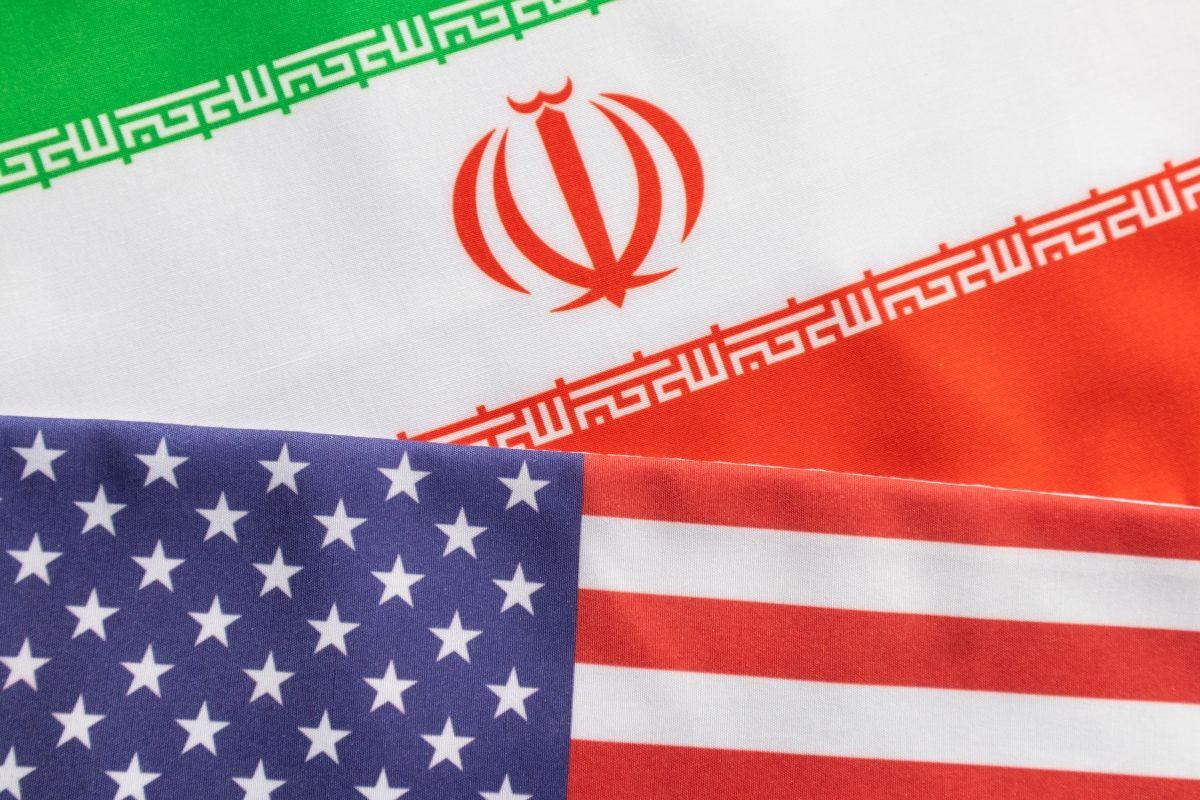
A U.S. delegation including special envoy Steve Witkoff is set to meet Iranian Foreign Minister Abbas Araghchi on Thursday in Geneva, with American forces massed in the region. The meeting matters for barrels as much as diplomacy: any sign that sanctions could eventually ease can reprice future export flows, while a breakdown can lift shipping risk and push prompt crude higher.
“All eyes will be on U.S.-Iran talks today,” said Warren Patterson, head of commodities strategy at ING, estimating prices embed an oil risk premium of as much as $10 a barrel. That premium is most visible in prompt pricing resilience even after bearish inventory surprises.
Sanctions And Security Risk Keep The Supply Narrative Two-Sided
Washington has tightened pressure ahead of the meeting, adding new sanctions on more than 30 entities linked to Iranian oil and weapons sales. That raises compliance friction for trading and shipping, increasing the cost of moving sanctioned barrels even if physical supply exists.
At the same time, the market is watching how quickly any diplomatic thaw could translate into additional exports, a process that historically runs through licensing, shipping availability, and buyer willingness to take sanction risk.
Gulf Export Flows Rise Even As Traders Hedge Disruption
Several producers have lifted exports as tensions simmer. Saudi Arabia is on course to ship its most crude in almost three years this month, while Iran has been rapidly filling tankers in recent days. Combined flows from Iraq, Kuwait and the United Arab Emirates have also moved higher, adding near-term supply into Asia and Europe even as the conflict risk premium remains in prices.
That combination can steepen short-dated volatility: more supply hits the water, but the probability distribution widens because a security incident could still disrupt routes or insurance costs.
Options Markets Signal Demand For Upside Protection
Risk is also showing up in derivatives. Options positioning has stayed tilted toward upside protection, with a bullish call skew persisting while implied volatility remains elevated. When call demand dominates, it can mechanically support front-month pricing by pulling hedging flows into futures during rallies, and it can keep dips shallow when physical markets have not decisively weakened.
For macro portfolios, that matters because oil volatility often transmits into broader risk sentiment, lifting equity index implied volatility and widening credit spreads in sectors exposed to fuel costs.
OPEC+ Faces A Cloudy April Decision On March 1
The second catalyst comes Sunday, March 1, when OPEC+ is scheduled to decide supply policy for April. Some delegates expect a modest production increase, but the outlook remains unclear as U.S.-Iran conflict risk complicates demand and contingency planning.
Even a small output step can affect time spreads if it lands alongside softer consumption data, while a delay or smaller-than-expected increase can keep prompt tightness intact, especially if refinery runs rise into the Northern Hemisphere spring maintenance exit.
How The Move Can Hit Equities, FX, Rates, And Credit
In equities, oil near $71 typically supports integrated producers and select oilfield services through stronger realized pricing, while pressuring airlines, chemicals, and transport names where fuel and feedstock costs squeeze margins. In foreign exchange, higher crude tends to support oil-linked currencies such as the Canadian dollar and Norwegian krone, while an escalation-driven risk-off move can still favor the dollar and yen regardless of commodity direction.
Rates respond through inflation expectations. A sustained move above $70 can lift breakevens and complicate near-term central bank pricing, while a fast premium unwind can do the opposite, easing inflation-linked pressure and flattening energy-sensitive parts of the curve. In credit, high-yield energy spreads can tighten on stronger cash flow assumptions, while consumer and industrial credits can widen if higher fuel costs arrive alongside slower growth.
Base Case, Upside, And Downside Paths For The Next Two Weeks
In the base case, prices hold near current levels as Geneva talks deliver incremental progress without a decisive shift, and the OPEC+ April supply decision results in a small increase that is largely absorbed by seasonal demand. The trigger is a restrained tone from both sides and no surprise on April quotas.
In the upside scenario, talks stall and security risk rises while OPEC+ signals caution on adding barrels, keeping the $10 premium embedded and pushing Brent back toward the recent highs above $72. The trigger is a clear deterioration in diplomacy paired with higher war-risk insurance costs or shipping delays.
In the downside scenario, diplomacy advances enough to reduce confrontation risk and OPEC+ confirms additional supply, prompting a rapid premium unwind that pulls Brent below $70. The trigger is credible progress on sanctions-related issues alongside a larger or faster quota step than the market is positioned for.
Tredu expects near-term direction to be dictated by whether the two event risks resolve into one narrative, diplomacy and supply growth, or two competing ones, surplus fears and conflict hedges.
Bottom line:
Oil is holding near $71 because traders are pricing two binary catalysts, U.S.-Iran negotiations and an OPEC+ April supply decision. The near-term path hinges on whether a roughly $10 risk premium persists or compresses, with knock-on effects for energy stocks, inflation pricing, and FX.