Economists Warn Oil Jump From Iran War Could Hit China, Global Markets

By Tredu.com • 3/2/2026
Tredu
Oil Sets The First Market Price Signal After The Weekend Escalation
Trading on Monday, March 2, opened with investors buying safety and selling risk after the Iran war expanded, pushing gold and the dollar higher while stocks slipped. Brent crude rallied as much as 13% to above $82 a barrel, the highest since January 2025, and West Texas Intermediate traded near $72 in early Asian hours. Economists have spent months stress-testing trade disruptions; now they warn that the oil jump is the fastest channel through which conflict can hit portfolios across global markets.
Strait Of Hormuz Risks Turn A Military Event Into An Inflation Variable
Iran supplies about 5% of global oil, and a full outage would lift prices by roughly 20% in short order as refiners compete for replacement barrels. A larger tail risk sits at the Strait of Hormuz, where about 20% of global oil supply transits; the Strait of Hormuz risk is that any sustained closure or severe disruption could push crude toward $108 a barrel. Even without a shutdown, insurers can reprice war-risk cover within 24–48 hours, raising freight costs and tightening effective supply.
China’s Refining System Is Exposed To Any Iranian Barrel Disruption
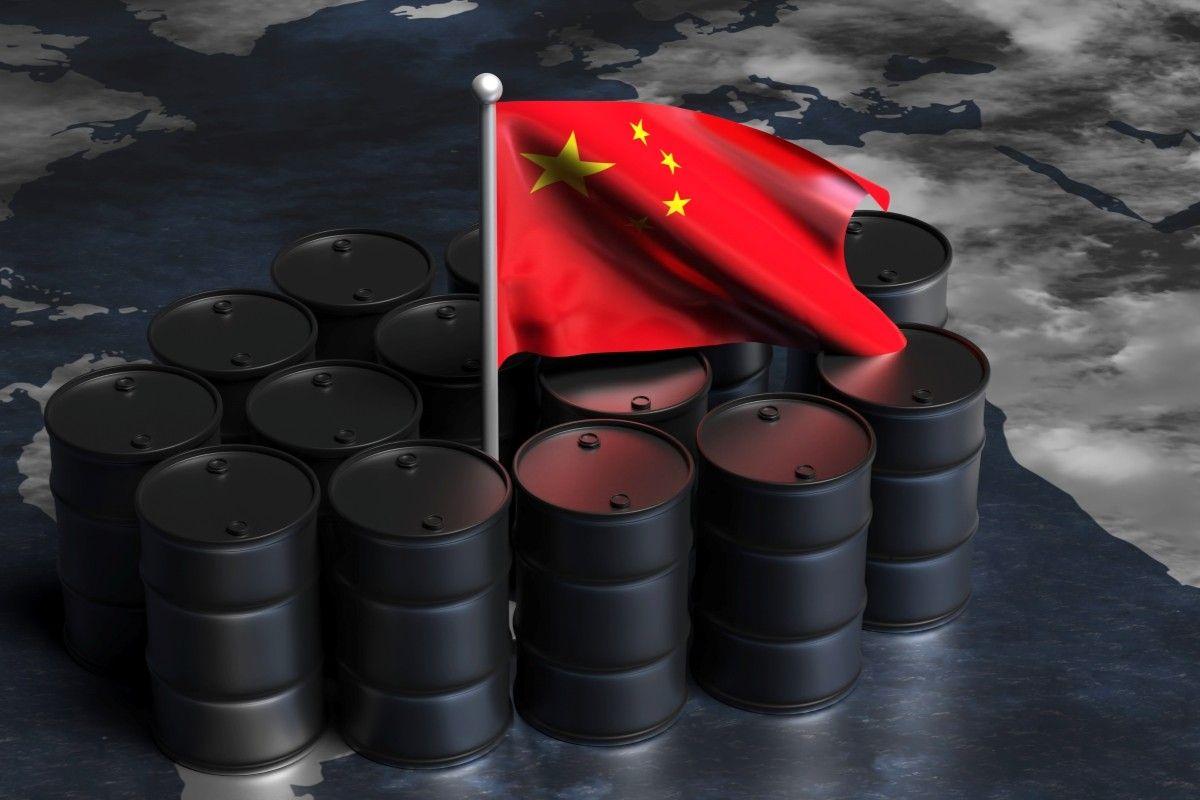
China is a key loser in a prolonged energy squeeze because its refiners import an estimated 99% of Iran’s oil exports, equal to about 13% of China’s seaborne crude imports in 2025. A higher feedstock bill can compress refinery margins and lift domestic fuel prices, which can weigh on consumption just as authorities try to stabilize growth. A shift in flows could also redirect demand toward discounted Russian Urals, reshaping tanker routes and supporting Russian fiscal receipts while raising Asia freight rates.
Diplomacy is a second channel. With President Xi Jinping expected to host President Donald Trump in Beijing in April 2026, deterioration in U.S.-China ties risks disrupting the trade truce that had helped calm markets earlier this year. If trade frictions re-accelerate at the same time as higher energy costs, China’s exporters face a double squeeze through weaker external demand and higher input inflation.
Emerging Markets With Thin FX Buffers Face A Fast Confidence Test
Safe-haven demand tends to concentrate liquidity in the U.S. dollar when uncertainty spikes, and that mechanism can drain capital from countries with low reserves within days. Citigroup flagged Argentina, Sri Lanka, Pakistan, and Turkey as vulnerable to sudden low reserves capital outflows and currency depreciation if broader market upheaval is sustained beyond a week. Turkey’s central bank responded by suspending one-week repo auctions, an early sign that funding conditions can tighten quickly when risk hits emerging markets.
Central Banks May Pause, But Must Watch Inflation Expectations
The immediate complication for policymakers is a two-sided shock: higher oil can lift inflation expectations, while uncertainty can cool demand and investment. TD Securities said the mix “argues for patience initially,” while leaving room to react if the situation stabilizes and price pressures persist into April data. For rates markets, the key is whether breakevens rise faster than growth expectations fall, a balance that can keep front-end yields firm even as recession hedges bid the long end.
Equity Winners Skew Toward Exporters, While Importers Absorb The Pain
A sustained rise in crude would pressure major importers such as China, Europe, and India through higher input costs and weaker real incomes. Exporters such as Russia, Canada, and Norway would benefit through improved terms of trade, supporting energy equities and some high-grade credit. In the United States, consumers could lose purchasing power as fuel costs climb, but the broader economy faces less drag than in past cycles because shale output has turned the country into a net exporter.
Credit Spreads And Volatility React To Duration, Not Headlines Alone
The first wave often hits travel, transport, and chemicals, where fuel and feedstock costs transmit into earnings within one quarter and can widen spreads for lower-rated issuers. If Brent above $82 holds for several weeks, investment-grade issuers with heavy energy exposure can see refinancing costs rise as volatility lifts required returns. Equity volatility also tends to increase when oil rallies alongside the dollar, because both signals tighten financial conditions and reduce risk appetite.
What Investors Will Watch Over The Next 7–30 Days
Market pricing will hinge on whether shipping remains functional through Hormuz, whether sanctions and retaliation widen, and whether the current jump fades or compounds. A base case is that tanker traffic continues with higher insurance premia, keeping Brent in a roughly $78–$88 range and allowing markets to stabilize as risk is absorbed. An upside scenario for crude and defensive assets emerges if exports are interrupted or the strait is materially constrained for more than 7 days, pushing prices toward $108 and intensifying pressure on China and fragile emerging markets; the trigger would be a visible fall in Gulf loadings and sustained vessel anchoring outside the strait. A downside scenario is rapid de-escalation that restores confidence, pulls Brent back below $75, and allows rate-cut expectations to reassert, easing stress in high-beta equities and credit; the trigger would be a clear reduction in missile activity and a normalization in tanker transits within 72 hours.
Bottom line:
Economists see oil as the clearest bridge from war headlines to the real economy, because shipping and insurance can tighten supply even without production damage. The most exposed are large importers and low-reserve economies, while exporters and energy-linked assets can gain if the premium persists.