Oil Slides Nearly 3% As Iran Talks Ease Strait Of Hormuz Risk

By Tredu.com • 2/2/2026
Tredu
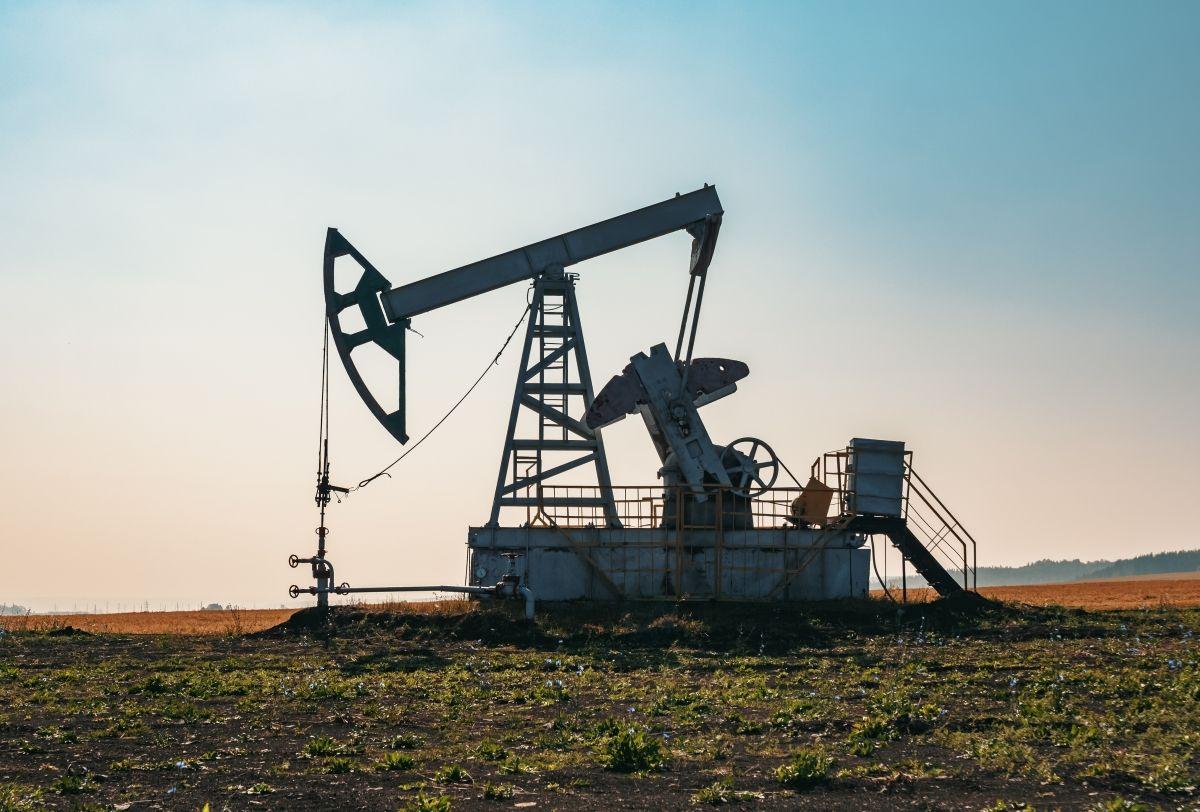
Oil prices fell in Asian trading on Monday, February 2, 2026, as traders unwound the geopolitical premium that had pushed crude to multi-month highs late last week. Brent crude was down $3.38, or 4.9%, at $65.94 a barrel by 05:28 GMT, and West Texas Intermediate was off $3.33, or 5.1%, at $61.88, easing near-term inflation pressure priced into bonds and shifting sector leadership in equities.
Diplomacy Headlines Cut The Risk Premium Built Into Crude
Donald Trump said over the weekend that Iran was “seriously talking” with Washington, and Ali Larijani said arrangements for negotiations were underway. Early in the session, oil slides were closer to nearly 3%, before losses widened as short-term longs took profits and stop orders accelerated the move.
The Strait of Hormuz was the central transmission point. Reports that Iran’s Revolutionary Guards naval forces had no plans to conduct live-fire exercises helped ease immediate concerns about shipping disruption, lowering insurance and freight-risk assumptions that had supported Brent above $70 in late January.
OPEC+ Keeps March Output Unchanged, Extending A Winter Pause
Supply policy reinforced the selloff. The Organization of the Petroleum Exporting Countries and allies (OPEC+) agreed on February 1 to keep output unchanged for March, reaffirming a decision to freeze planned increases for January through March 2026 because of seasonally weaker consumption. The eight producers at the core of the agreement lifted quotas by about 2.9 million barrels per day from April through December 2025, roughly 3% of global demand, then paused further increases as winter demand softened.
The group offered no guidance beyond March, leaving traders to price uncertainty into the second quarter. “With rising uncertainty around Iran and U.S. tensions, the group is keeping all options firmly on the table,” said Jorge Leon of Rystad Energy, a stance that can keep volatility elevated even if physical balances remain comfortable.
Prices Retrace From Six-Month Highs Set On Strike Fears
The February 2 drop followed a run that lifted Brent to a six-month high of $71.89 on Thursday and kept it near $70.69 at Friday’s close, while West Texas Intermediate finished January 30 at $65.21, near its strongest levels since late September. A $4–$5 move in a session can reprice producer cash flows and lift index volatility because large integrated names sit in major benchmarks.
Lower crude typically supports fuel-sensitive industries faster than it hits consumer demand, so airlines and transport can get relief on forward fuel costs while energy shares lose a near-term earnings tailwind. In credit, high-cost producers can see wider spreads if prices fall toward hedge floors, while investment-grade balance sheets usually absorb short swings without a rating impact.
Dollar Strength And Cross-Commodity Selling Add Pressure
Crude also fell alongside a broader commodities drawdown that included deep losses in precious metals, tightening liquidity in futures markets. A firmer U.S. dollar often weighs on oil by raising the local-currency cost for importers, and it can amplify selling when funds reduce exposure across commodities in tandem rather than by sector.
“Geopolitical risks mask a fundamentally bearish oil market,” Capital Economics said in a January 30 note, arguing that a well-supplied backdrop can still bear down on Brent by end-2026 even when headlines turn supportive. If surplus expectations regain control, the forward curve can soften, reducing storage incentives and pressuring higher-beta energy equities and non-investment-grade producer debt.
Market Channels: Equities, Rates, Foreign Exchange, And Volatility
In equities, crude swings transmit through sector rotation, energy and materials react via earnings sensitivity, while consumer and transport respond via cost inputs. In rates, sustained Brent pricing in the mid-$60s can pull down near-term inflation breakevens relative to a $70–$75 band, supporting duration if other data are stable. In foreign exchange, de-escalation can reduce safe-haven demand, but dollar direction remains tied to U.S. yield differentials and risk appetite.
Volatility is the fast channel. A 4%–5% drop in benchmark crude can lift implied volatility across energy options and spill into broader risk sentiment, especially when moves are tied to geopolitics rather than inventories. In Tredu mandates that cap commodity drawdowns, higher realized volatility can force smaller position sizes even if physical supply remains intact.
Base Case: Range Trade With A Smaller Geopolitical Premium
The base case is a sideways market where talks continue and shipping remains uninterrupted, keeping Brent between $63 and $68 and West Texas Intermediate between $59 and $64 through mid-February. This assumes OPEC+ holds its March policy line and refinery maintenance limits demand, while the oil risk premium stays below late-January levels.
Upside Scenario: Negotiations Advance, Brent Slides Toward $60–$62
An upside scenario for equities and bonds, but a downside for crude, requires visible negotiation milestones within two weeks and no escalation around the Strait of Hormuz through February 15. Under that trigger, speculative length can unwind further, pushing Brent toward $60–$62 and easing pressure on consumer sectors and inflation hedges.
Downside Scenario: Talks Break, Hormuz Tension Lifts Oil Back Above $70
The downside scenario is renewed confrontation. If negotiations stall or military activity resumes near the strait, insurers can reprice transit risk quickly, lifting Brent back above $70 and pulling West Texas Intermediate toward $66. A confirmed threat to Gulf export infrastructure would tighten prompt supply, widen non-energy credit spreads, and raise equity volatility across risk assets.
Bottom line:
The latest oil drop reflects a fast unwind of a geopolitical premium after renewed talk of negotiations and a steadier supply stance from OPEC+. Whether crude stabilizes or rebounds now hinges on shipping risk in the Gulf and on whether diplomacy produces concrete steps. If prices hold in the mid-$60s, the inflation impulse into rates should soften.
Other News

The Role of Intelligent Forex Trading Systems in Optimizing Algorithmic Trading Performance
By Tredu.com · 5/20/2026

How Machine Learning Forex Trading Bot Enhances Predictive Accuracy in Forex Markets
By Tredu.com · 5/20/2026

FinancialMarkets.media granted the Official Google Partner certification
By Tredu.com · 5/20/2026