Rare Earth Miners Jump As Trump Eyes Mineral Stockpile Plan

By Tredu.com • 2/2/2026
Tredu
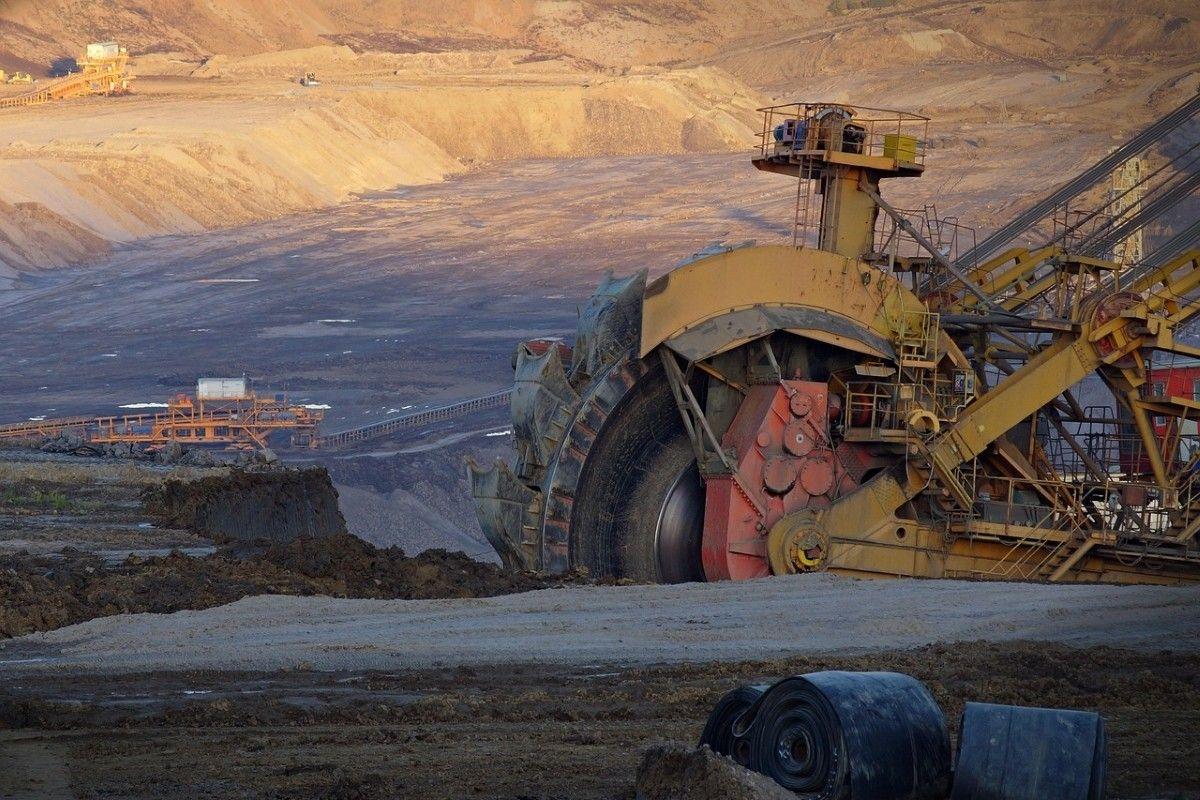
Rare earth mining stocks rallied on February 2, 2026 after a report said United States President Donald Trump is weighing a government effort to build a strategic minerals reserve, a shift that can reprice industrial inputs and alter risk appetite in commodity equities.
Stockpile Talk Sends Capital Into Rare Earth Producers
On February 2, shares of rare earth miners jumped as investors priced a potential rare earth stockpile that would add a price-insensitive buyer to a market with limited spot liquidity. Even a program in billions of dollars can tighten availability because many products are sold via long-term contracts, so incremental federal purchases can lift forward pricing, widen spreads, and raise implied volatility in options.
National Security Framing Links Demand To Annual Budgets
The policy argument centers on U.S. supply chain security for defense and critical infrastructure, with magnets and alloys used in systems that cannot tolerate delivery gaps. Trump eyes a framework that would let agencies accumulate inventory during calm periods, then release material during supply disruptions. A stockpile mechanism usually channels buying through yearly appropriations, which can smooth demand across cycles but also create step-changes when funding is renewed or expanded in 2026 and 2027.
Listed Winners Include Firms With Near-Term Processing Capacity
Equity gains were concentrated in companies that can deliver separated oxides or magnet feedstock with near-term throughput. MP Materials shares rose as investors assumed higher utilization and stronger contract leverage, while smaller developers moved as the market priced a lower financing hurdle for projects that can reach production within 18–36 months. For project finance, a credible government buyer can convert uncertain price exposure into contracted revenue, improving debt sizing and reducing dilution risk for equity holders.
Equity Spillover Hits Automakers, Defense, And Clean-Tech Supply Chains
The move can ripple beyond miners because rare earth inputs sit inside high-value manufactured goods. A sustained rise in rare earth prices raises cost pressure for electric vehicle motors, industrial robotics, and wind turbine drivetrains, while benefiting defense-aligned suppliers that can pass through costs under cost-plus structures. That mix can drive sector rotation inside equities, with upstream materials outperforming parts of consumer tech when margins are tight.
Rates, Inflation Expectations, And The Dollar Form The Macro Channel
Critical mineral pricing feeds into inflation expectations mainly through manufactured goods rather than energy, but persistent increases can still influence 5-year and 10-year breakevens if they lift durable goods prices. If the plan is read as domestic reindustrialization, the dollar can firm alongside higher capital spending expectations, while a stronger commodity complex can support Australia exposure through trade and earnings. In rates markets, a higher inflation floor can keep term premia elevated, tightening financial conditions for high-duration sectors.
Credit Markets React To Offtake Visibility And Capex Revisions
A federal buyer can change the cost of capital for processing plants and mines by improving offtake certainty, tightening credit spreads for project finance, and pulling forward final investment decisions in 2026. The counterweight is higher capex; demand for specialized equipment, reagents, and skilled labor can lift build costs and reduce free cash flow in the first buildout years. If lenders demand higher coverage ratios, that can slow expansion and keep prices higher for longer.
Policy Execution Risks Sit In Permitting And Trade Rules
A stockpile does not create new supply immediately, and permitting plus qualification of processing steps can take 18–36 months even when funding is committed. Trade rules are another swing factor; tighter screening of end users or stricter origin requirements can raise compliance costs and shift supply routes, adding volatility to prices and equity multiples. Any retaliation risk can also hit broader risk sentiment, lifting volatility across foreign exchange and equity index options.
Base Case: Modest Buying Provides A Floor Without A Spike
The base case is a limited 2026 launch focused on a narrow set of materials, with purchases paced across quarters to avoid destabilizing supply. Tredu volatility screens often rise when policy headlines pull speculative length into thin commodity markets. Under this outcome, the jump in miners reflects improved financing terms and steadier demand rather than a sudden shortage, while prices grind higher as incremental processing capacity comes online. Equity volatility would likely fade after initial positioning clears and procurement details become more concrete.
Upside Scenario: A Larger Plan Locks In Multi-Year Contracts
The upside scenario requires U.S. Congress to back a larger appropriation tied to multi-year contracting and clear inventory targets measured in months of coverage. If agencies sign long-term offtake agreements and pair them with loan guarantees, private capital can accelerate construction of separation and magnet plants, tightening supply and lifting rare earth prices. That would likely support miners and selected industrial suppliers, while pushing downstream manufacturers to reprice products or redesign components.
Downside Scenario: Funding Delays Or Substitution Unwinds The Bid
The downside case is that the proposal stays at the study stage through late 2026, or that funding is redirected toward other priorities, leaving developers with higher expectations but no committed buyer. If end users accelerate recycling, magnet-thrifting designs, or material substitution, demand growth can undershoot supply additions even if policy rhetoric stays firm. In that scenario, the trade can reverse, miners can give back gains, and credit spreads for early-stage projects can widen as financing becomes more expensive.
Bottom line:
The stock move reflects a policy-driven repricing: a government buyer would support project finance and lift pricing power in a tight part of the commodity complex. Markets will key off appropriations, procurement rules, and the pace of substitution in downstream manufacturing.