Russia Delays 100M-Ton LNG Goal as Sanctions Bite Deeper

By Tredu.com • 12/25/2025
Tredu
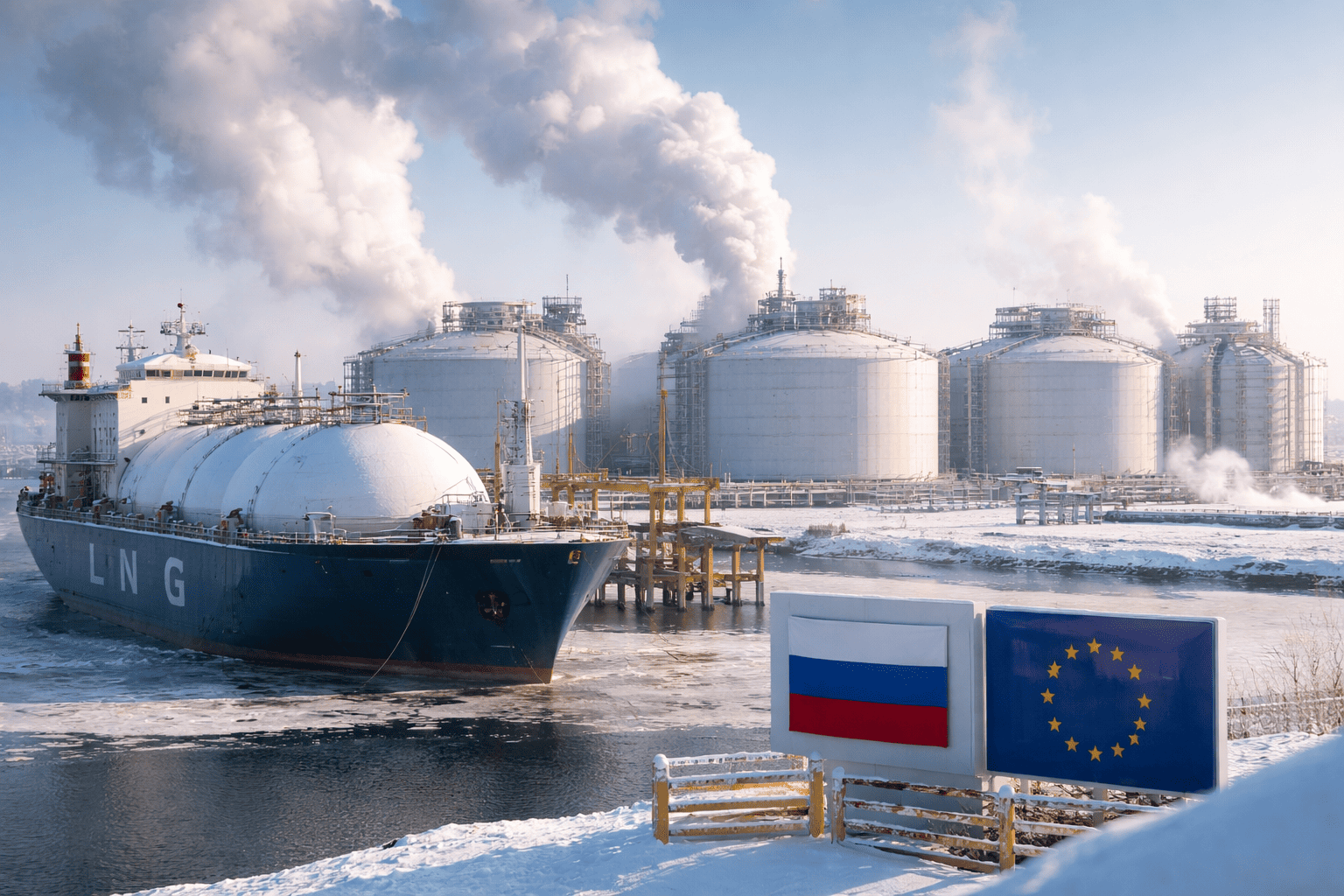
Russia delays LNG expansion target as sanctions slow capacity growth
Russia has pushed back its goal of reaching 100 million tons a year of liquefied natural gas output, acknowledging that sanctions have delayed projects and complicated access to technology, equipment, and financing. The revised timeline reflects structural constraints rather than short-term operational issues, and it resets expectations for how quickly new Russian LNG volumes can enter global markets.
The delay matters because LNG is the marginal balancing fuel for Europe and Asia during supply shocks and winter demand peaks. When large producers slow expansion, long-term assumptions embedded in contracts, shipping plans, and infrastructure investment are forced to adjust.
Why sanctions are the binding constraint
The slowdown is driven by limited access to liquefaction equipment, turbines, control systems, and specialized services required to build and maintain large LNG plants. While Russia has increased output from existing facilities, scaling production toward 100 million tons requires multiple new trains operating reliably, which has proven difficult under sanctions.
The issue is not gas availability. Russia holds abundant reserves. The constraint is execution under restricted supply chains, higher costs, and longer timelines. That distinction is important for markets, because it suggests the delay is persistent rather than easily reversible.
Arctic LNG and execution risk
Flagship projects designed to drive the next wave of capacity have faced setbacks in reaching stable export operations. Delays at individual facilities matter because LNG supply operates at the margin. Even a few million tons missing from expected output can tighten balances during peak seasons and increase price sensitivity to weather or outages elsewhere.
Shipping capacity also plays a role. LNG exports rely on specialized tankers, and uncertainty around project timelines complicates fleet deployment and charter pricing, adding another layer of friction.
Market implications for global LNG prices
The most immediate market implication is a firmer medium-term supply outlook. A slower Russian ramp reduces the amount of incremental LNG expected in the early 2030s, supporting a higher price floor, particularly in winter contracts.
This does not guarantee sustained price spikes, as large volumes are still expected from the United States and Qatar. However, fewer competing supply sources increase the value of reliability. Buyers may be more willing to lock in long-term contracts at higher prices to secure delivery certainty.
Price volatility may also increase. When supply growth is concentrated among fewer producers, markets become more sensitive to operational issues, weather events, and geopolitical developments.
Implications for Europe and Asia
For Europe, the delay reinforces dependence on alternative LNG suppliers as the region continues to reduce exposure to Russian energy. Even if spot cargo availability remains adequate, long-dated planning becomes more cautious, encouraging utilities to secure contracts earlier and at higher cost.
Asian buyers face a different dynamic. Demand growth remains strong, particularly in emerging markets, but competition for cargoes intensifies when expected supply growth slows. This can widen seasonal spreads and increase the premium paid by price-sensitive buyers during peak demand periods.
Winners and losers in the supply chain
Producers with sanctioned-free projects and reliable execution stand to benefit. U.S., Qatari, and select African exporters may gain pricing power and market share as buyers seek diversification and contractual stability.
Shipping companies can also benefit from longer haul routes and tighter tanker availability, supporting charter rates. Conversely, buyers with limited flexibility may face higher procurement costs and greater exposure to spot market swings.
What investors should watch next
Markets will focus on three signals. First, whether delayed Russian projects show sustained, repeatable export volumes rather than intermittent shipments. Second, whether buyers accelerate long-term contracting in response to reduced supply confidence. Third, whether additional sanctions or enforcement actions further constrain project execution.
Russia’s delayed LNG target changes the medium-term balance of the global gas market. The adjustment is gradual rather than abrupt, but it reinforces a central theme for energy markets heading into 2026, supply reliability is becoming as valuable as supply volume.

How to Trade Like a Pro
Unlock the secrets of professional trading with our comprehensive guide. Discover proven strategies, risk management techniques, and market insights that will help you navigate the financial markets confidently and successfully.


